Email: info@oudreywatertank.com
Whatsup: +86159 1014 5521
Middle East water tank demand remains strong despite geopolitical tensions, with short-term disruptions and long-term growth potential.
Against the backdrop of global water scarcity, the Middle East has long been a key market for water storage solutions. Recent escalations in regional geopolitics have introduced new uncertainties for infrastructure development and industrial investment, causing short-term disruptions in the water tank industry. However, long-term structural growth potential in the Middle East water tank market remains intact.
The Middle East faces low rainfall, high evaporation, and limited groundwater resources. Urban water supply, industrial water usage, and agricultural irrigation heavily rely on water storage systems and desalination facilities.
In this context, water tanks have become essential infrastructure across residential areas, municipal projects, industrial parks, and energy facilities, providing a stable and long-term market demand.
In recent years, many Middle Eastern countries have expanded urban and industrial investment under strategic “vision” initiatives. For example, Saudi Arabia’s “Vision 2030” plan has promoted smart cities, industrial parks, and large public facilities, sustaining demand for high-standard water storage systems.
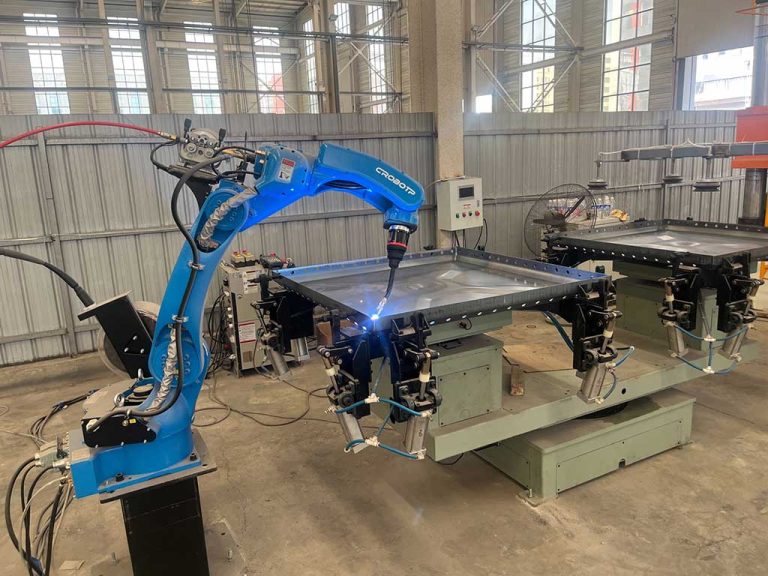
Additionally, industries such as petrochemicals, food processing, pharmaceuticals, and energy increasingly require hygienic, corrosion-resistant water tanks. Large modular stainless steel tanks, with high temperature resistance, corrosion protection, and long service life, are gradually being applied in premium projects.
Overall, the Middle East water tank market shows steady growth, particularly in large-scale engineering and industrial sectors.
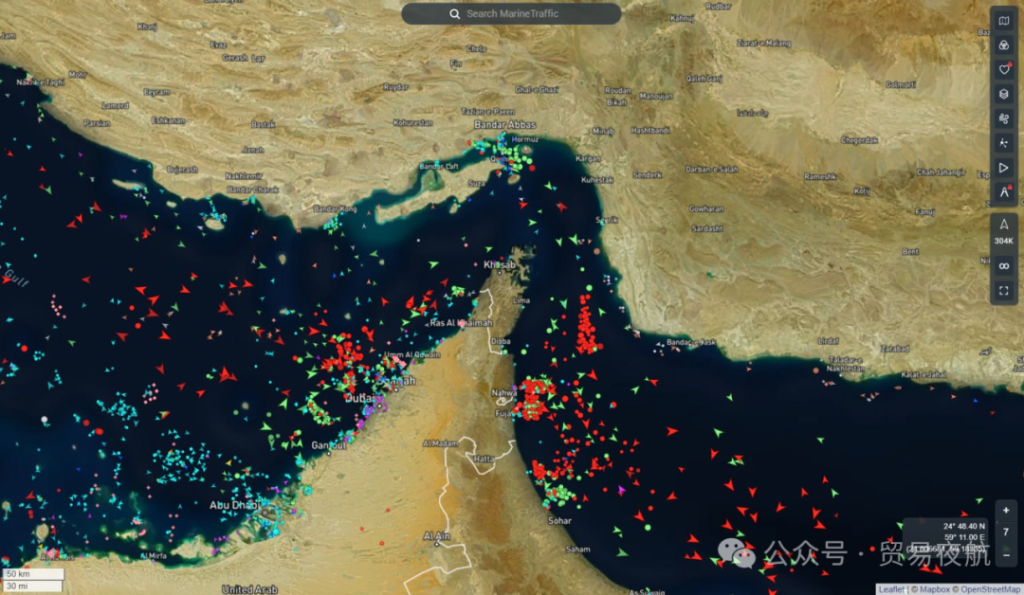
Recent regional tensions escalated as the United States and Israel conducted the “Epic Fury” operation against Iran, triggering electronic warfare and maritime security risks.
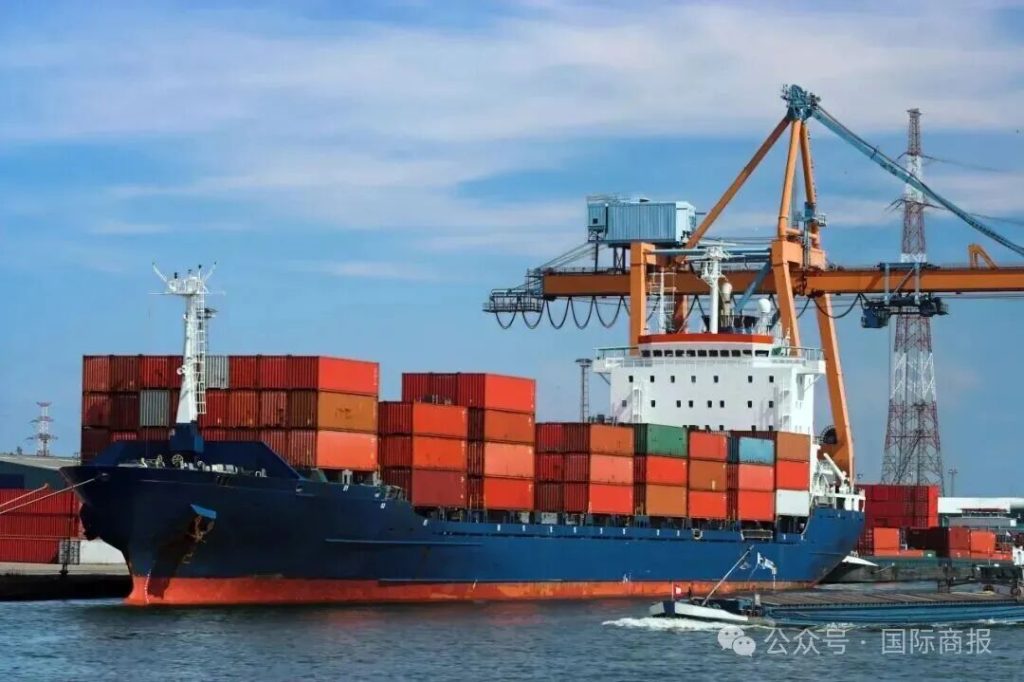
UKMTO reported multiple vessels in the Strait of Hormuz and surrounding areas were struck or caught fire. Maritime intelligence company Windward noted widespread GPS and AIS signal interference affecting over 1,000 vessels. Shipping companies such as Maersk rerouted vessels for safety, and some ships remain delayed. Insurance providers have canceled policies for the affected routes and raised war-risk premiums by approximately 50%, with industry warnings of potential renewed tensions in the Red Sea.
War risks affect the water tank industry in several ways:
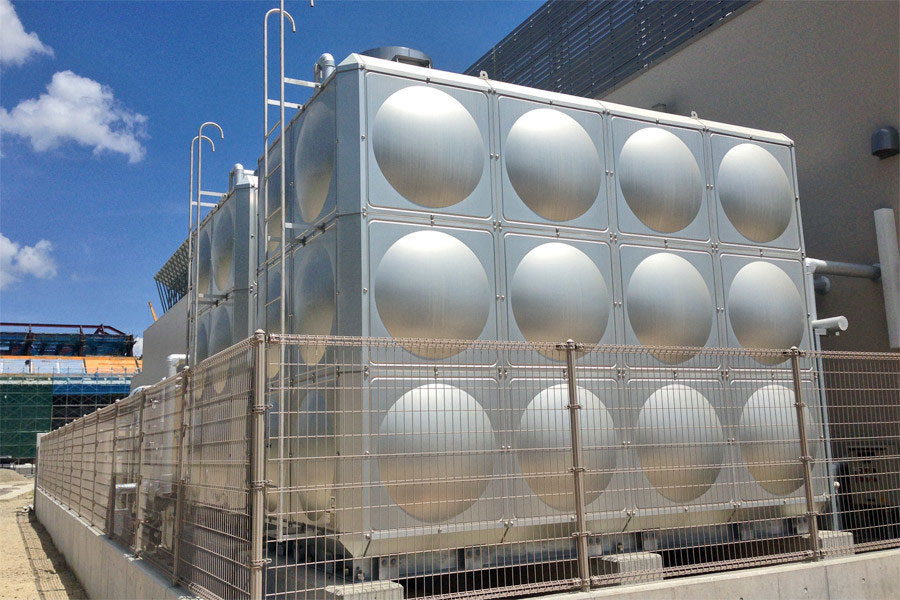
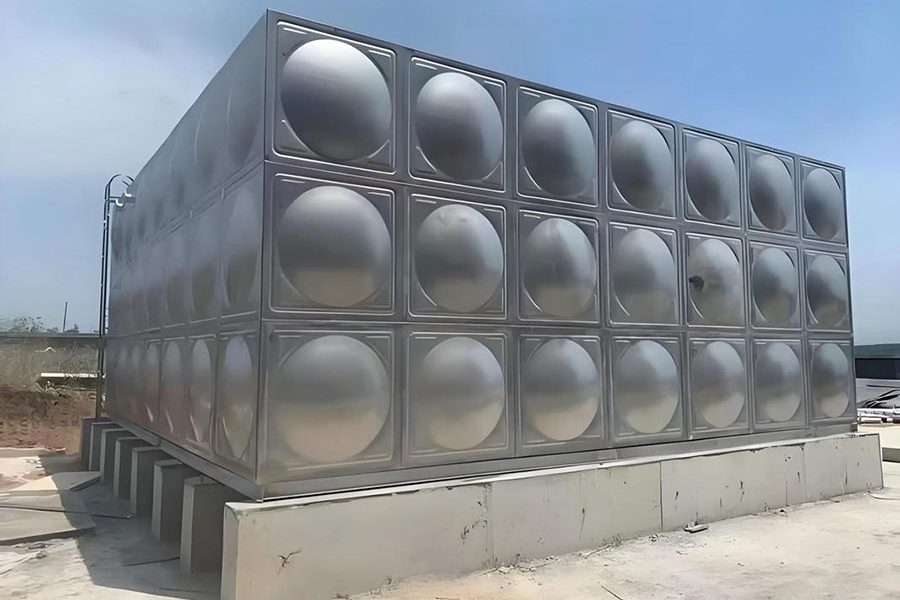
Route diversions and increased war-risk insurance premiums significantly raise shipping costs for raw materials and finished water tanks, extending delivery cycles.
Rising oil prices increase energy costs for stainless steel production, putting pressure on manufacturers from both raw material and energy expenses.
Some governments and companies may postpone major infrastructure projects, prioritizing security and core expenditures, delaying approvals and investment in new water system projects.
Importantly, the conflict emphasizes the critical need for water security. Demand for emergency water storage, mobile, or modular tank systems may temporarily increase. Post-conflict infrastructure repair and public health system reconstruction will also drive medium- and long-term procurement of water storage equipment.
Thus, the impact of war is not purely suppressive but exhibits a pattern of “short-term volatility, long-term recovery.”
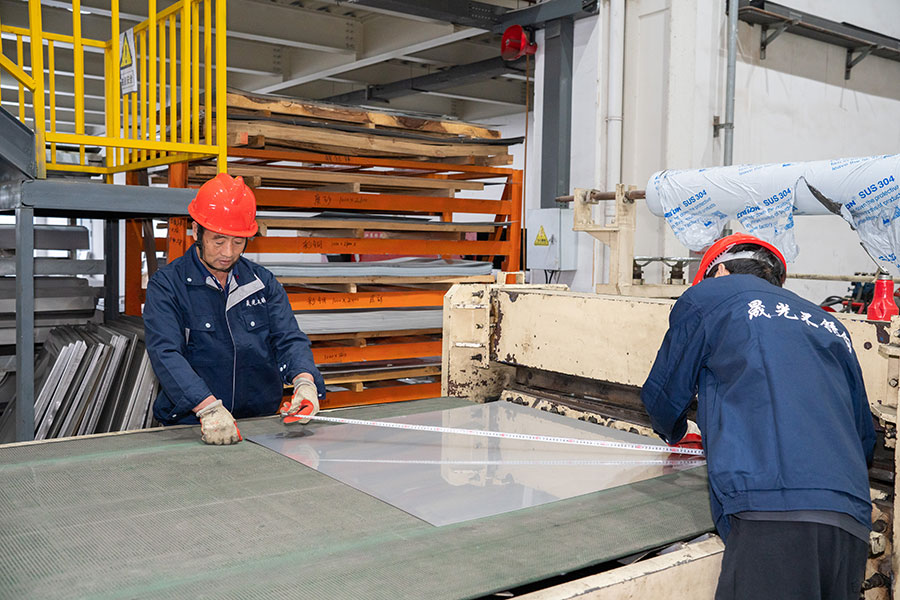
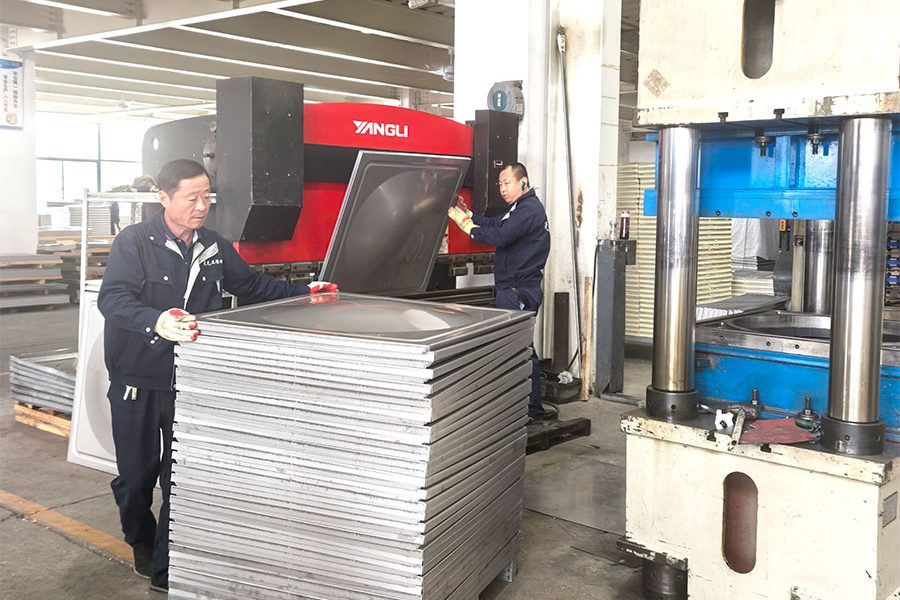
For water tank manufacturers and exporters, strengthening supply chain management, optimizing inventory, and improving modular product delivery capabilities are key strategies to navigate the current situation.
Overall, the Middle East water tank market is entering a phase of adjustment amid geopolitical tensions, yet structural demand remains solid. As the situation gradually stabilizes, the long-term trend of regional infrastructure development and industrial upgrading is expected to continue.