Email: info@oudreywatertank.com
Whatsup: +86159 1014 5521
Nickel supply chain changes increase stainless steel water tank cost volatility and accelerate shifts toward HDG and galvanized water tanks.
In 2026, the global mineral supply chain is undergoing significant restructuring as the United States and Japan accelerate efforts to develop the Philippines into a key critical minerals hub. This strategy aims to reduce dependence on China’s dominant role in nickel and other strategic metals supply chains.
This geopolitical shift is expected to have a direct and indirect impact on the stainless steel water tank industry, as well as related downstream markets such as HDG water tanks, galvanized water tanks, and industrial water storage systems.
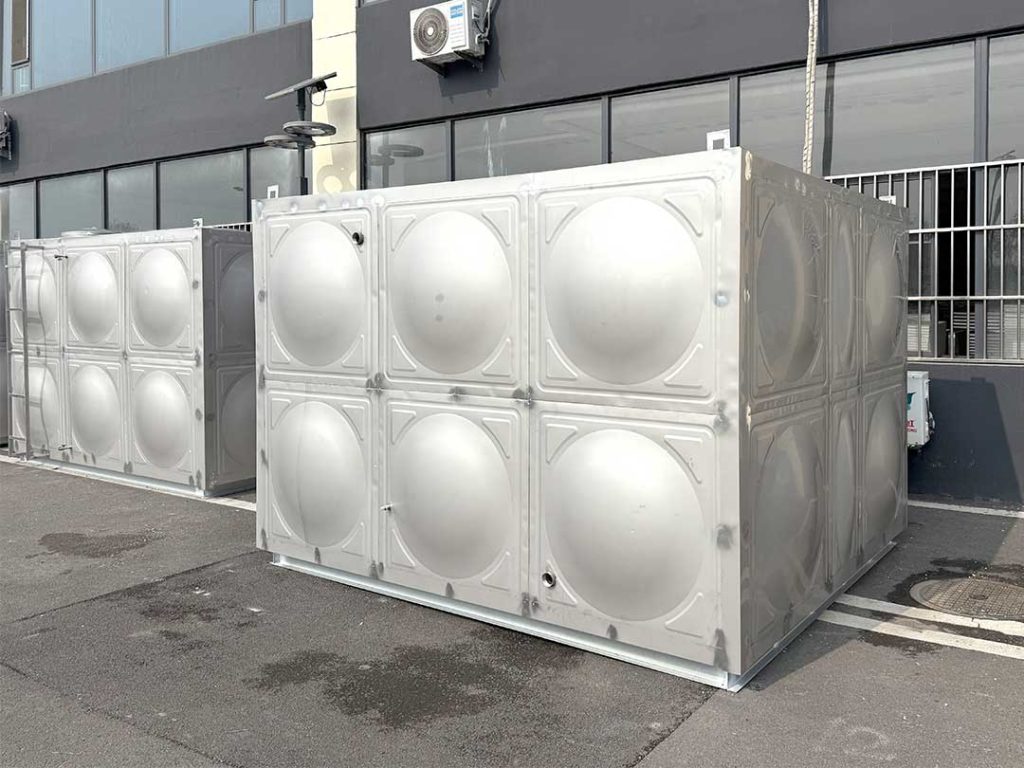
Nickel is a core raw material for stainless steel production (especially 304 and 316 grades), which are widely used in water storage systems.
The emerging US–Japan–Philippines cooperation introduces a long-term shift in global nickel supply chains:
However, China currently still dominates global nickel refining and downstream stainless steel production.
The global nickel supply chain is moving toward a dual-structure system:
This restructuring increases geopolitical influence on raw material pricing.
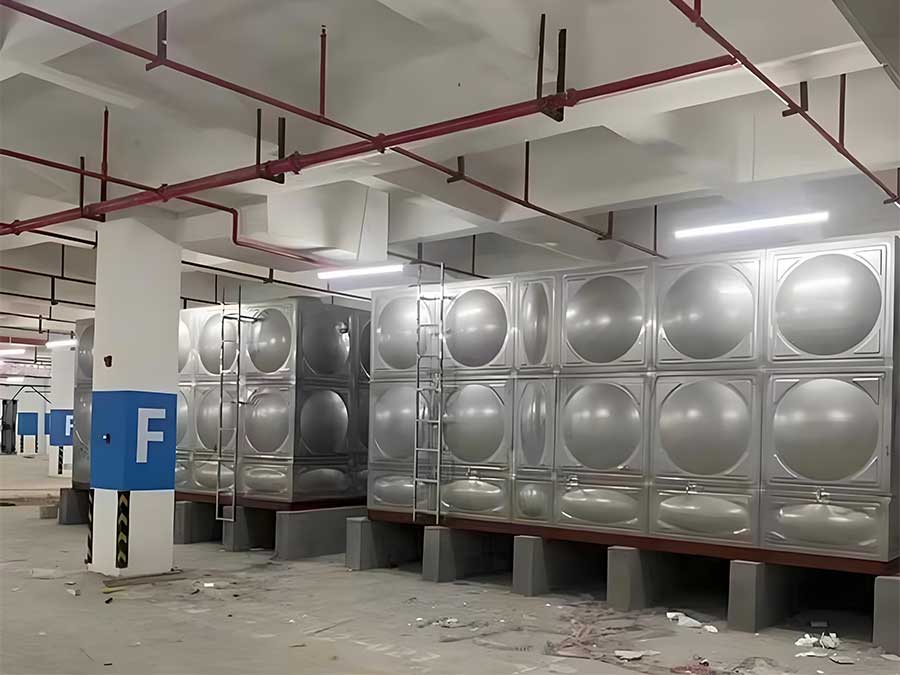
The stainless steel water tank industry is highly sensitive to nickel price fluctuations.
Stainless steel water tanks are widely used in:
As nickel price volatility increases, stainless steel water tank costs will also fluctuate more significantly.
This leads to:
As raw material costs fluctuate, the water tank industry is expected to experience stronger material substitution trends.
| Material Type | Market Trend |
|---|---|
| Stainless Steel Water Tank | High-end applications, cost-sensitive pressure |
| HDG Water Tank (Hot-Dip Galvanized) | Strong growth in industrial & fire protection sectors |
| Galvanized Steel Water Tank | Competitive in large-scale, low-cost projects |
| FRP Water Tank | Stable in chemical and corrosion-heavy environments |
Cost pressure may push some projects to shift from stainless steel to HDG water tanks or galvanized water tanks, especially in non-drinking water applications.
Although cost pressure exists, the geopolitical shift may also create new demand opportunities.
Countries such as the Philippines may experience:
For manufacturers and exporters of stainless steel water tanks and HDG water tanks, several strategic adjustments are recommended:
The US–Japan–Philippines critical minerals strategy is not expected to immediately disrupt global stainless steel supply chains. However, it introduces long-term structural changes in nickel sourcing and pricing dynamics.
For the stainless steel water tank industry, the key impact is not supply shortage, but:
Increased raw material price volatility and accelerated market segmentation across different water tank materials.
Manufacturers who adapt to material diversification and cost management strategies will be better positioned to benefit from the evolving global market landscape.