Email: info@oudreywatertank.com
Whatsup: +86159 1014 5521
Nickel price forecast rises to $16,600 as Indonesia cuts supply and Middle East tensions boost costs globally.
Recent industry reports indicate that the nickel price 2026 forecast has been raised from $15,800 to $16,600. The adjustment reflects a tightening balance between supply pressure and rising production costs, driven mainly by Indonesia’s production policy and ongoing geopolitical tensions in the Middle East.
The global nickel market and stainless steel industry are entering a structural transition phase, shaped by both government supply controls and external geopolitical risks.
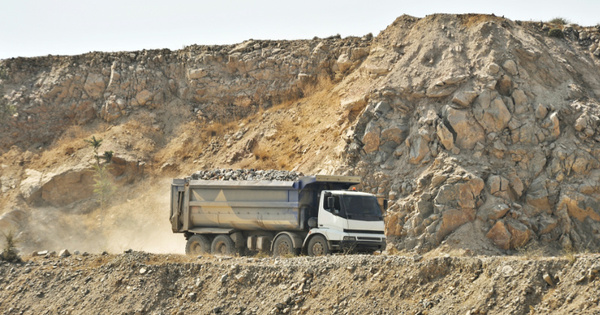
As the world’s largest nickel producer, Indonesia has significantly tightened resource management in 2026. The government reduced its nickel mining quota from 3.79 billion tons to 2.6–2.7 billion tons, a decline of more than 30%.
At the same time, Indonesia revised its pricing mechanism, incorporating cobalt and iron by-product value into nickel ore valuation. This change has effectively increased overall production costs across the supply chain.
Industry analysts note that these measures have reshaped the global cost structure of nickel production, establishing a stronger cost floor for nickel prices.
Beyond supply restrictions in Indonesia, geopolitical instability in the Middle East is indirectly impacting nickel production.
Nickel refining heavily depends on sulfur, more than two-thirds of which is imported from the Middle East. Rising tensions and risks in the Strait of Hormuz have increased shipping uncertainty and transportation costs.

This has led to temporary production cuts in several Indonesian processing plants due to sulfur supply constraints.
Although not directly affecting nickel ore availability, the combination of higher raw material costs and logistics risk premiums is pushing up overall nickel production costs.
Despite rising costs, the global nickel market remains in significant surplus.
BMI estimates that the market will still face an oversupply of approximately 324,000 tons in 2026. Inventory levels at the London Metal Exchange and global ports remain historically high.
Demand trends are also diverging:
This imbalance continues to limit the upside potential of nickel price 2026 trends.
As nickel is a key raw material for stainless steel, the stainless steel market is directly affected.
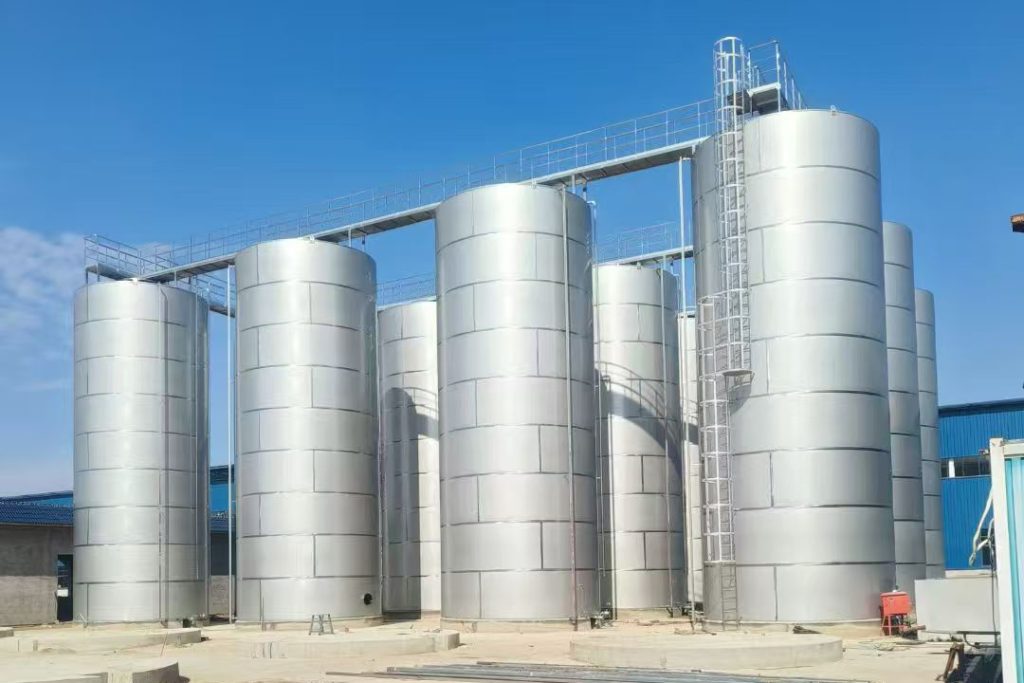
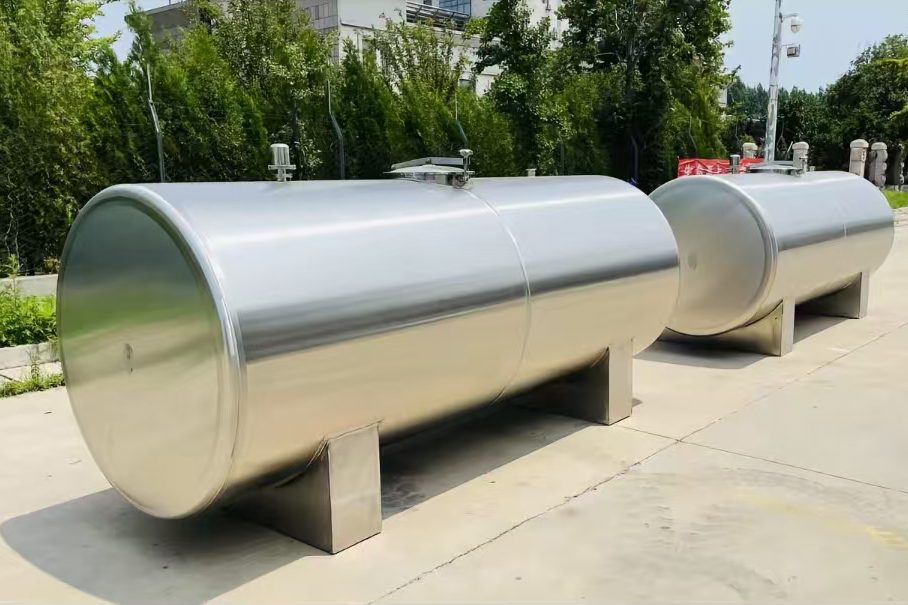
300-series stainless steel (such as 304 and 316) is particularly sensitive to nickel price fluctuations. Rising raw material costs are being gradually passed on to downstream products, including industrial equipment, steel coils, storage tanks, and stainless steel water tanks.

However, downstream buyers are becoming more cautious:
At the same time, material substitution trends are accelerating, with some markets shifting toward lower-nickel or alternative stainless steel grades to control costs.
Overall, the 2026 nickel market is expected to remain in a range-bound and volatile structure:
Key factors influencing future trends include:
Without fundamental structural changes, nickel prices are expected to remain in a high-volatility trading range.
The nickel market is undergoing structural reshaping. Policy-driven supply constraints and geopolitical risks are redefining global cost curves, while the stainless steel industry faces simultaneous cost inflation and demand uncertainty.
For industrial players, future competition will shift from price competition toward supply chain resilience and cost management capabilities.