Email: info@oudreywatertank.com
Whatsup: +86159 1014 5521
Safe water infrastructure in India: how stainless steel water tanks support health and pandemic resilience.
In early 2026, several regions in India reported cases related to the Nipah virus, prompting states such as Kerala to enter a high-alert phase. Indian health authorities immediately launched health screenings and issued public prevention guidelines, emphasizing food hygiene and avoidance of contaminated water sources.
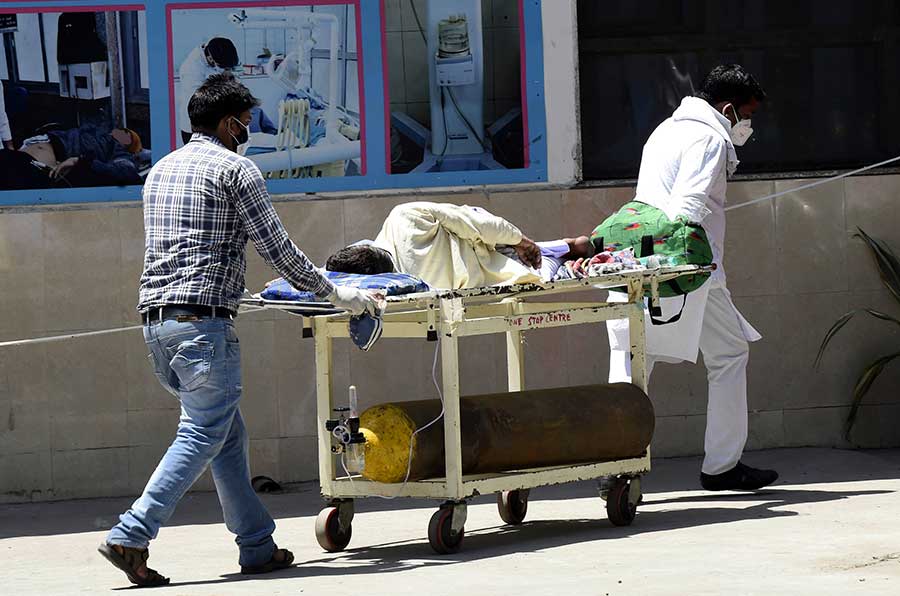
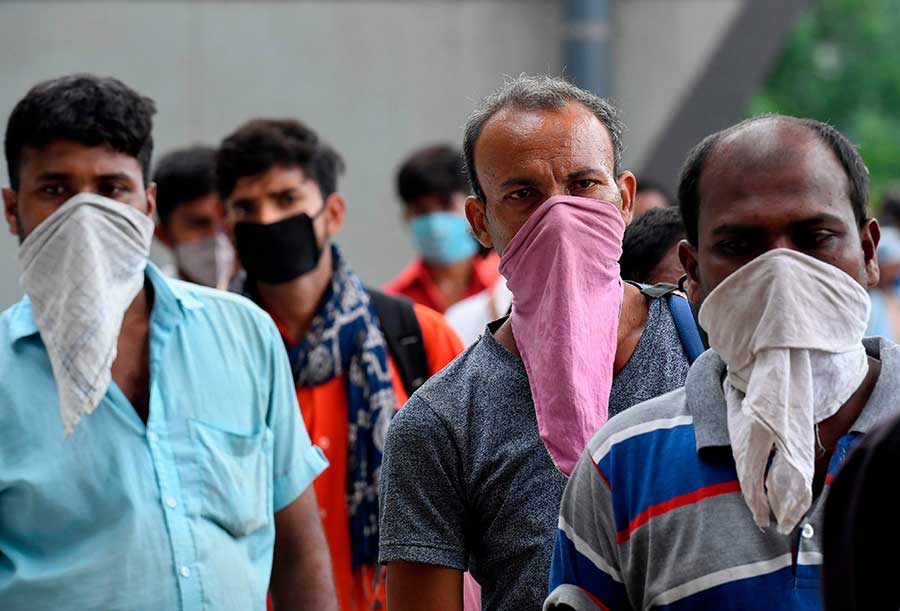
In recent years, India has experienced multiple serious public health incidents closely linked to water environments, highlighting the critical role of water safety in the national public health system. Cases of meningitis caused by Naegleria fowleri (commonly known as the “brain-eating amoeba”) are often associated with contact with natural water bodies or unsafe water sources, underscoring the hidden risks posed by contaminated water.
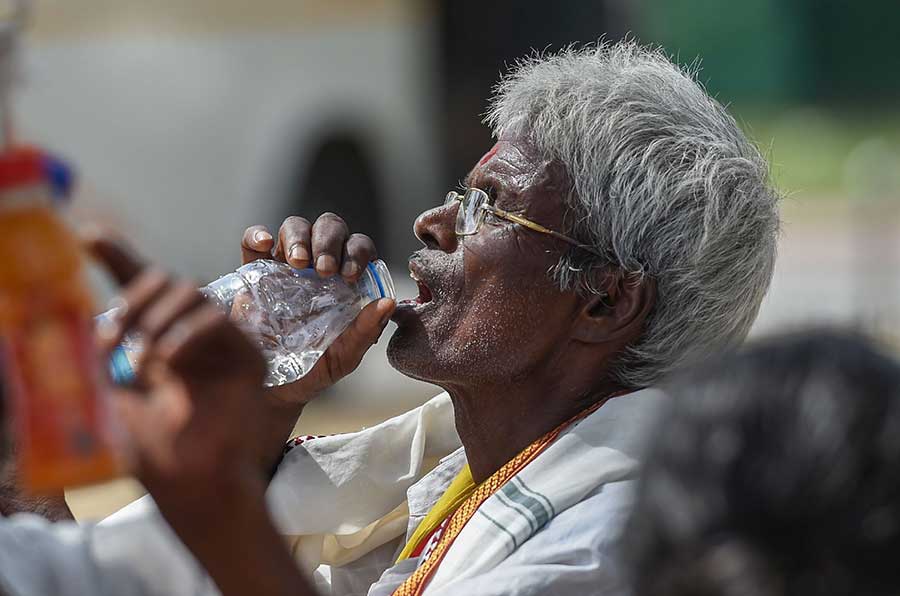
At the end of 2025, a severe drinking water contamination incident occurred in the Bhagirathpura area of Indore, central India. Official investigations confirmed that aging and damaged municipal pipelines allowed sewage to infiltrate the drinking water supply, resulting in widespread gastrointestinal symptoms such as vomiting and diarrhea. The incident caused at least 7 deaths and affected over 1,100 people, drawing significant public attention to urban water safety, storage facilities, and secondary water supply management.
Such incidents are not isolated cases but reflect structural challenges, including aging water networks, inadequate water storage standards, and insufficient secondary water management, particularly under rapid urbanization. Amid the dual pressures of pandemic prevention and socioeconomic development, improving water supply safety has become an essential public health priority.
According to the latest Joint Monitoring Programme (JMP) report released by the World Health Organization (WHO) and UNICEF:
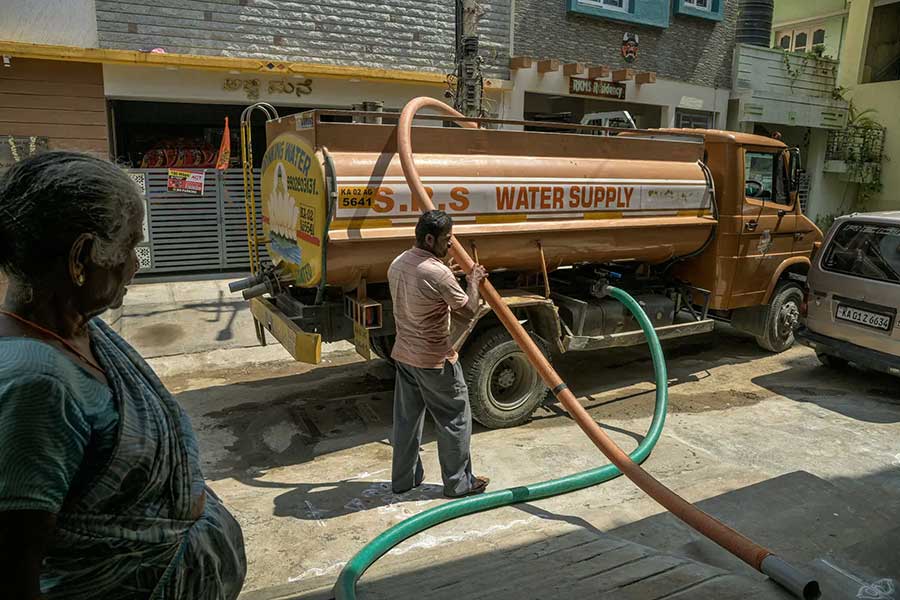
While overall access continues to improve, disparities between urban and rural areas persist. In older urban districts, industrial zones, and densely populated areas, secondary water supply and storage systems remain high-risk points for water quality deterioration.
Across much of India, households, factories, and public buildings rely heavily on rooftop tanks, ground tanks, or centralized storage systems for secondary water supply. If water tanks are made from aging materials, lack proper sealing, or are poorly maintained, they can easily lead to:
The WHO estimates that over 500,000 deaths globally each year are caused by diarrheal diseases linked to microbiologically contaminated drinking water, with risks particularly pronounced in regions with weak water infrastructure.
As public health standards and infrastructure requirements continue to rise, stainless steel water tanks are becoming a core component of urban and industrial water systems due to their advantages:
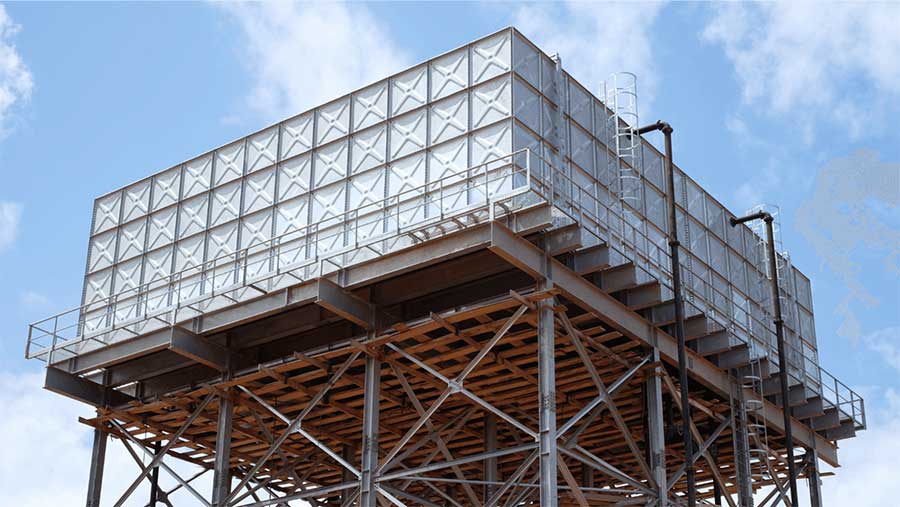
In urban water upgrades, emergency water storage, and industrial water systems, stainless steel tanks are increasingly replacing traditional concrete reservoirs and easily degraded materials.
Residential & Commercial Buildings
High-rise secondary water supply, hotels, apartments, schools, and hospitals, improving drinking water safety and reducing health risks.
Industrial & Manufacturing Facilities
Process water, circulating water, and raw water storage for industries such as chemicals, food processing, and electronics, ensuring stable supply and reducing production interruptions.
Healthcare & Public Health Systems
Hospitals, clinics, and emergency medical facilities where clean and reliable water supply is critical during public health emergencies.
Agriculture & Infrastructure
Irrigation storage, rural centralized water supply projects, municipal firefighting, and emergency water systems.
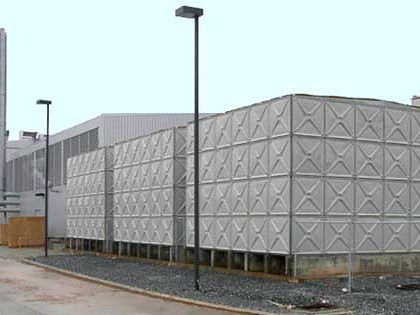
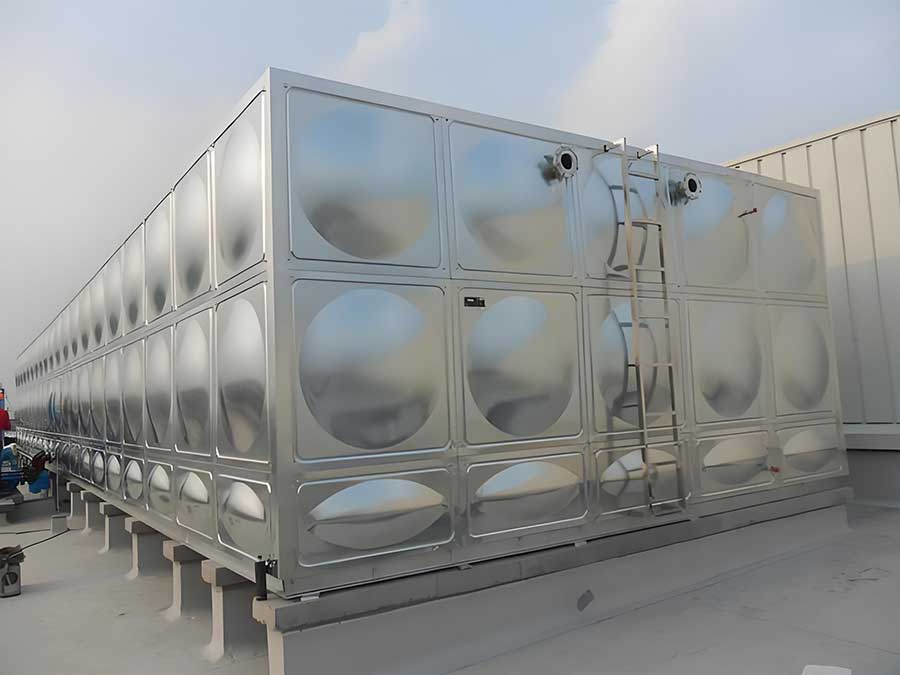
Recent pandemic and water contamination events in India demonstrate that public health protection depends not only on medical systems but also on stable, safe, and sustainable water infrastructure. Upgrading tank materials, standardizing storage systems, and strengthening secondary water management are key steps toward reducing health risks and improving urban resilience.
Stainless steel water tanks are more than storage equipment—they are a critical element of modern public infrastructure. In India and other emerging markets, the adoption of food-grade, durable water tank solutions is helping build safer, more reliable water systems for residential life, industrial operations, and public health protection.