Email: info@oudreywatertank.com
Whatsup: +86159 1014 5521
Trump’s China visit may impact energy supply, Strait of Hormuz risk, steel and nickel industrial chain volatility.
According to media reports, U.S. President Donald Trump is expected to visit China in the near future. The news has quickly drawn global market attention. While it appears to be a diplomatic and trade-related event on the surface, from the perspective of energy structure and global supply chains.
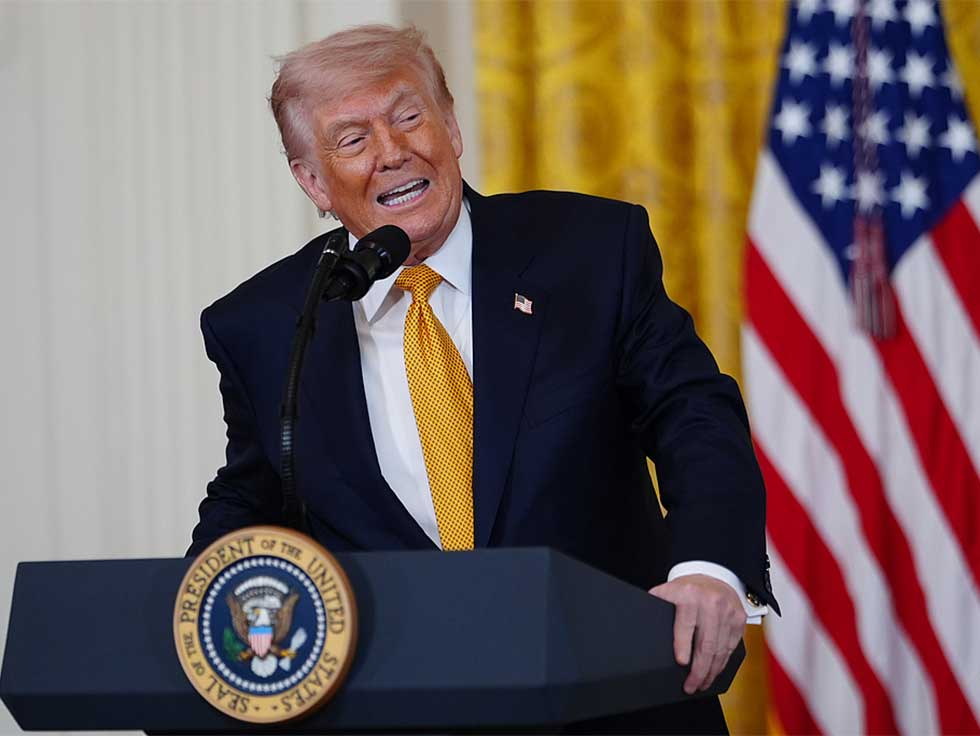
This visit may have significant implications for Iran’s geopolitical situation, the security of the Strait of Hormuz, global oil and gas prices, as well as key industrial materials such as steel, nickel, and sulfuric acid.
For industries including water tank manufacturing, construction engineering, industrial equipment, and new energy supply chains, this development may create notable cost and supply chain transmission effects.
One of the most sensitive global risks today remains the Iran situation and the security of Middle Eastern energy routes.
China is a major importer of Iranian energy, while the United States is highly concerned about how Middle East instability could affect global inflation and financial markets. Against this backdrop, Trump’s visit is being interpreted as a signal of communication related to “energy stability.”
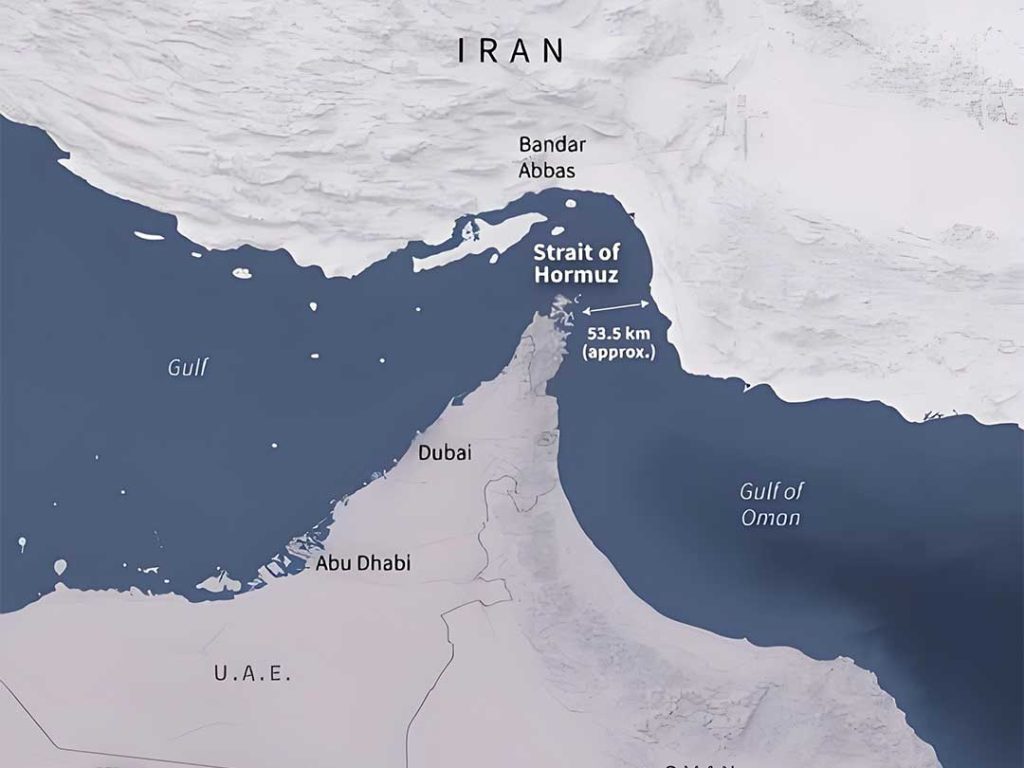
The most critical variable in this context is the Strait of Hormuz.
The Strait of Hormuz is one of the most important oil transportation routes in the world.
Any disruption in this region could trigger:
Energy risks will further transmit into the global industrial system.
Energy costs are a core component of steel and heavy industry production. Rising oil and gas prices would create systematic pressure across industrial supply chains.
Nickel is a key determinant of stainless steel pricing, and nickel refining is highly energy-intensive.
Therefore, rising energy prices may lead to:
Changes in steel prices will directly affect:
Overall, the industry may enter a phase of cost-push inflation.
Nickel is a strategic industrial metal widely used in:
The main risks come from two aspects:
Nickel refining processes (HPAL and RKEF) are highly energy-dependent. If energy prices rise:
Higher nickel prices directly impact:
This has a significant effect on industries such as water tanks, piping systems, and industrial equipment.
Sulfuric acid is widely used in:
Rising energy prices may lead to:
If risks in the Strait of Hormuz persist, global industrial costs may rise simultaneously:
Crude oil, natural gas, and chemical raw materials increase
Steel, stainless steel, and nickel processing costs rise
Construction, industrial equipment, water systems, and automotive industries face pressure
China’s manufacturing sector may face three major changes:
Uncertainty in SUS304 and SUS316 stainless steel and nickel-based materials.
Volatility in Middle Eastern and related shipping routes.
Customers shift from “low-cost” priorities to “stable delivery + price locking capability.”
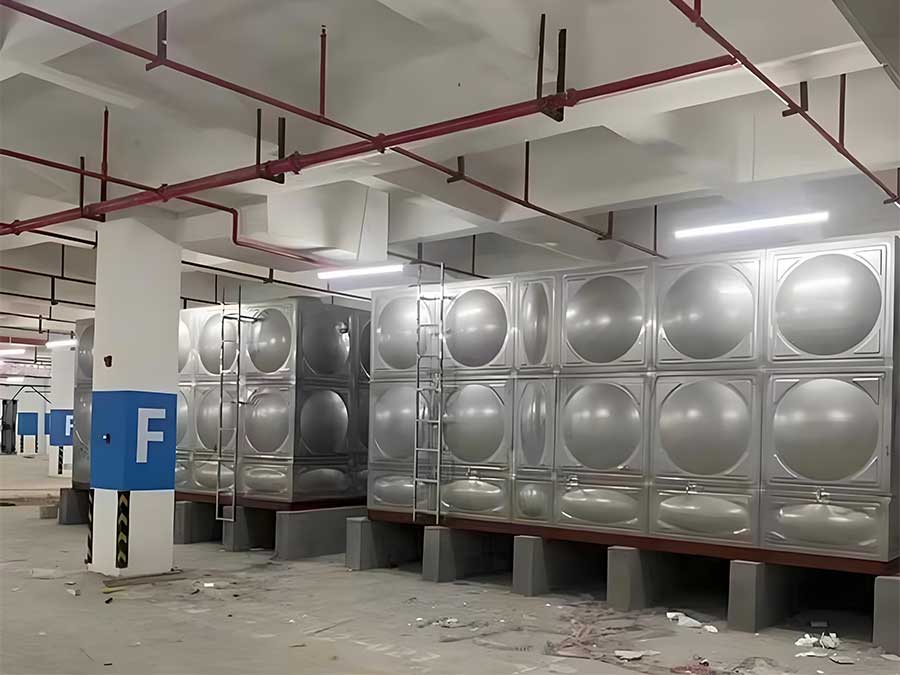
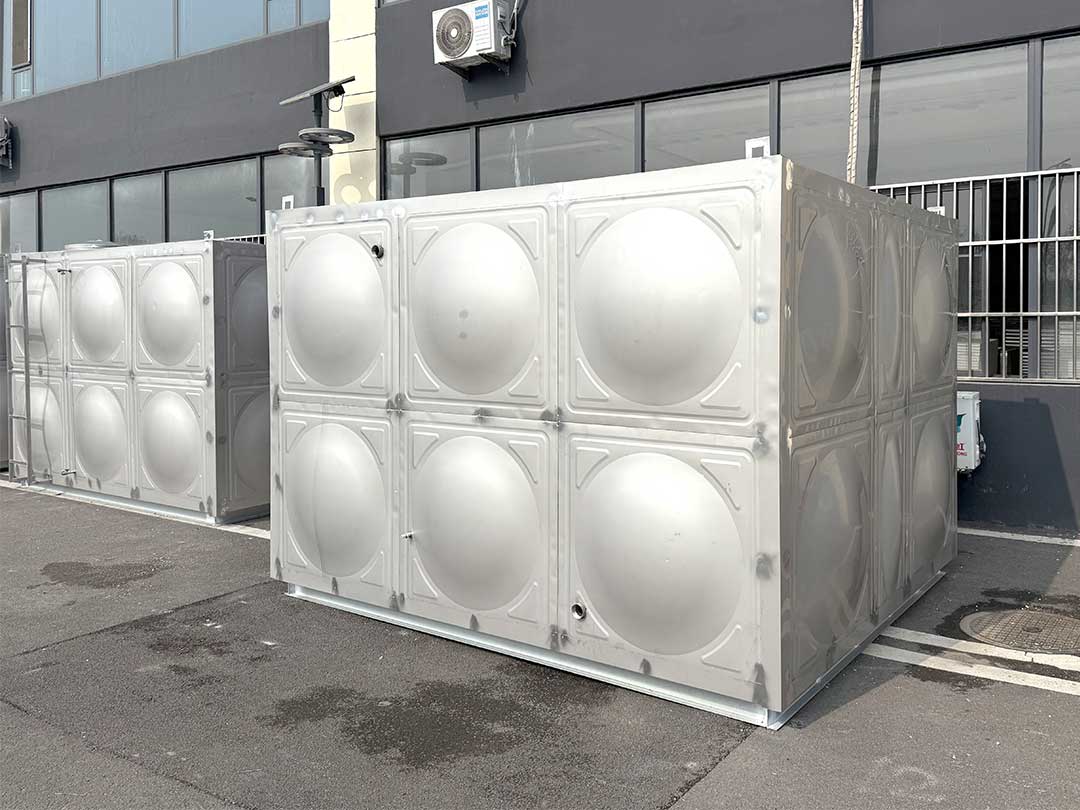
For water tank, steel structure, and building material industries, the effects are direct:
Industry competition is shifting from price-driven to:
Supply chain stability + raw material hedging + overseas delivery capability
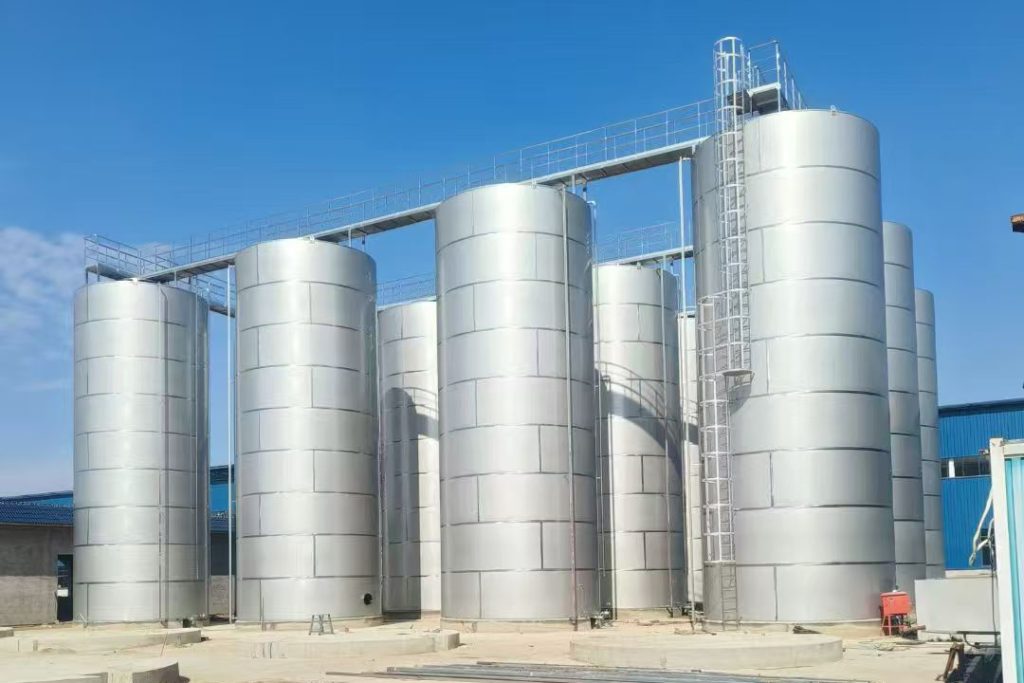
Behind Trump’s visit to China lies a broader geopolitical rebalancing of global energy systems.
If Middle East energy risks escalate, the impact will extend far beyond oil prices and gradually reshape global industrial cost structures and manufacturing competitiveness.
For companies, future competition will no longer be driven solely by price, but by:Supply chain resilience and energy risk management capability.
As a modular water tank manufacturing factory, we sincerely hope this visit will contribute to a mutually beneficial outcome between China and the United States and encourage the world situation to develop in a stable and positive direction.