Email: info@oudreywatertank.com
Whatsup: +86159 1014 5521
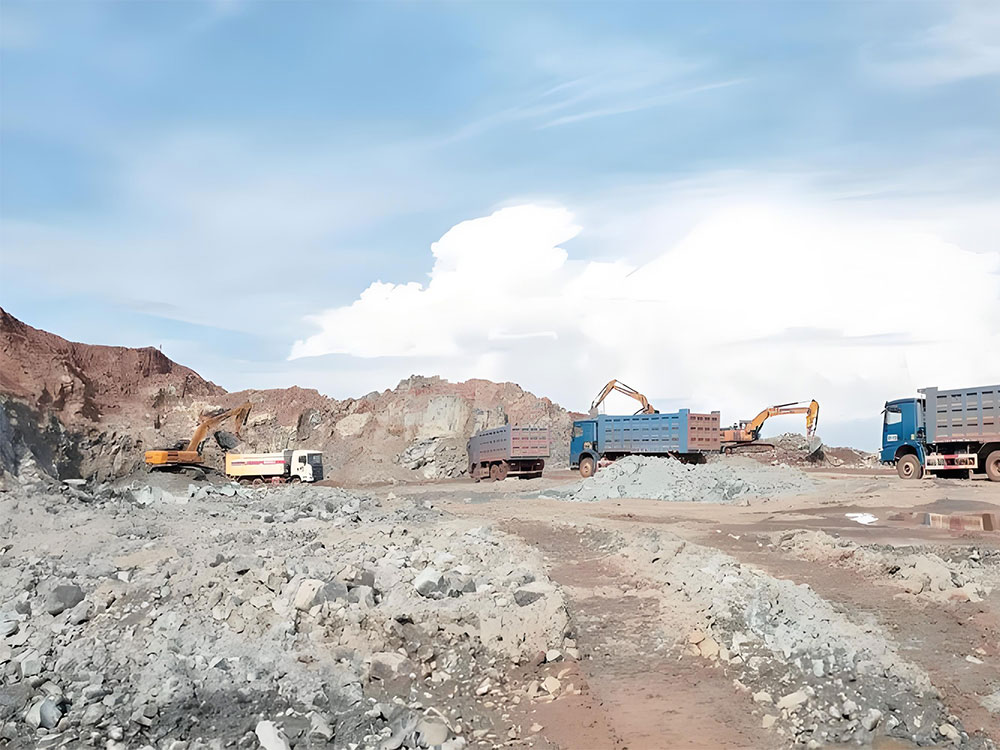
Against the backdrop of anticipated nickel ore quota adjustments and supply disruptions in Indonesia, nickel prices surged sharply, transmitting significant cost pressure to the stainless steel market.
According to Reuters, Indonesian Minister of Energy and Mineral Resources Bahlil Lahadalia said the government is prepared to implement strategic quota adjustments in the mining sector. Although specific production targets for 2026 have not yet been announced, he emphasized that mining work plans (RKAB) will be tailored to the actual needs of domestic smelters. Bahlil noted that quota management aims to enhance the overall valuation of Indonesia’s mineral products, adding that the government is currently assessing industry capacity to ensure output aligns with demand.

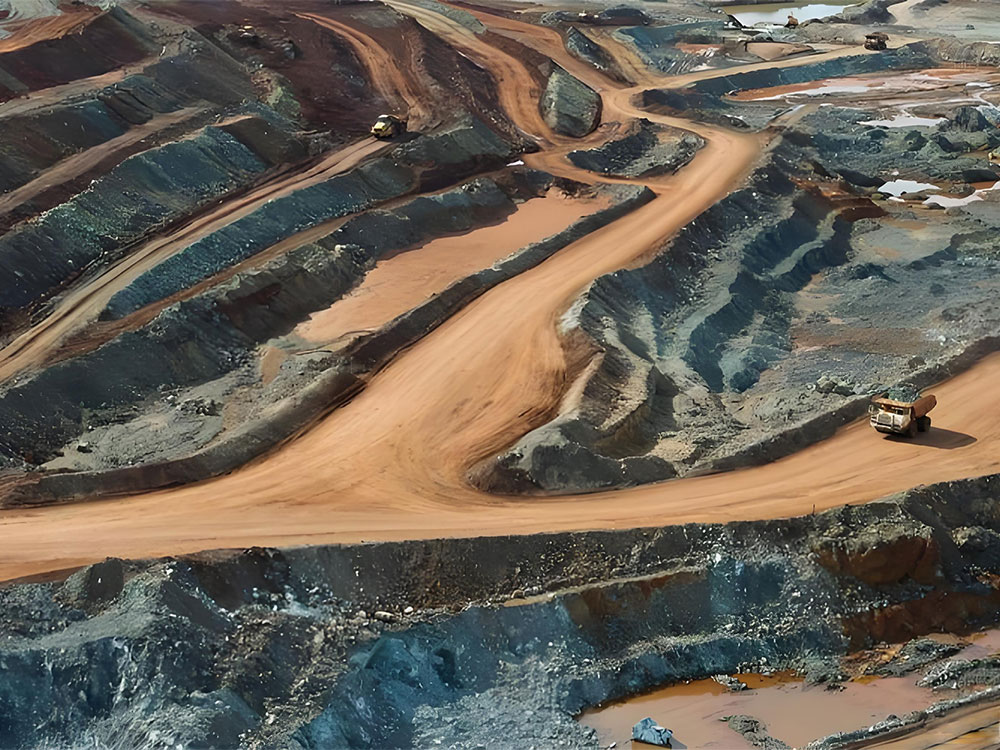
On the demand side, while the Indonesian government has not disclosed official total output figures for 2025, the Indonesian Nickel Smelters Association (FINI) expects domestic nickel ore demand to rise to approximately 340–350 million tonnes in 2026, up from around 300 million tonnes in 2025, indicating continued growth in smelting sector absorption capacity.
Separately, foreign media reported that Arif Perdana, Chairman of the Indonesian Nickel Industry Forum (FINI), said that nickel ore production plans for 2026 have not been officially reduced. Citing statements from the Minister of Energy and Mineral Resources regarding the 2026 work plan and budget (RKAB), Arif noted that nickel ore output will be adjusted dynamically based on actual demand from the domestic smelting industry rather than through across-the-board cuts.
At the policy level, Indonesia’s Ministry of Energy and Mineral Resources issued Circular No. 2.E/HK.03/DJB/2025 on December 31, 2025, concerning the 2026 RKAB. The circular allows holders of Mining Business Permits (IUP), Special Mining Business Permits (IUPK), Contracts of Work (KK), and Coal Mining Concession Agreements (PKP2B) to continue mining operations during the production phase in accordance with previously approved 2026 RKABs. These provisions remain valid until March 31, 2026. Arif stressed that subsequent official government announcements will serve as the primary reference for the nickel industry in formulating production and consumption strategies for 2026.

Against the backdrop of anticipated nickel ore quota adjustments and supply disruptions in Indonesia, nickel prices surged sharply, transmitting significant cost pressure to the stainless steel market. On January 7, 2026, the Wuxi stainless steel market experienced pronounced price fluctuations, with spot prices for 304 stainless steel coils rising by approximately RMB 500 per tonne in a single day. Cold-rolled 304 stainless steel reached RMB 13,900 per tonne, while hot-rolled coils were priced at RMB 13,350 per tonne.
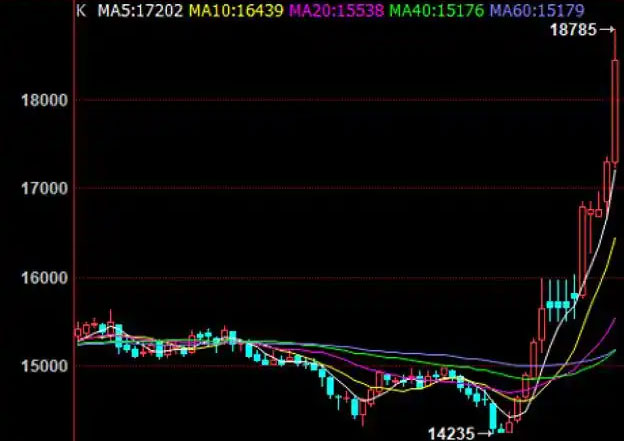
Meanwhile, nickel prices climbed sharply, with Shanghai nickel futures briefly hitting the daily limit at RMB 147,720 per tonne, up roughly RMB 10,000 per tonne from earlier levels. LME nickel prices also returned above USD 18,000 per tonne for the first time in 14 months. As a result, stainless steel production costs rose rapidly, with the theoretical alloy cost of 304 stainless steel increasing from around RMB 12,764 per tonne to approximately RMB 13,050 per tonne.
Driven by capital sentiment, market volatility intensified significantly. For example, prices for 304 cold-rolled stainless steel in the Foshan market jumped by RMB 500 per tonne on January 7, then retraced by about RMB 500 per tonne on January 8, before partially rebounding on January 9. This pattern reflects heightened short-term volatility dominated by speculative sentiment.
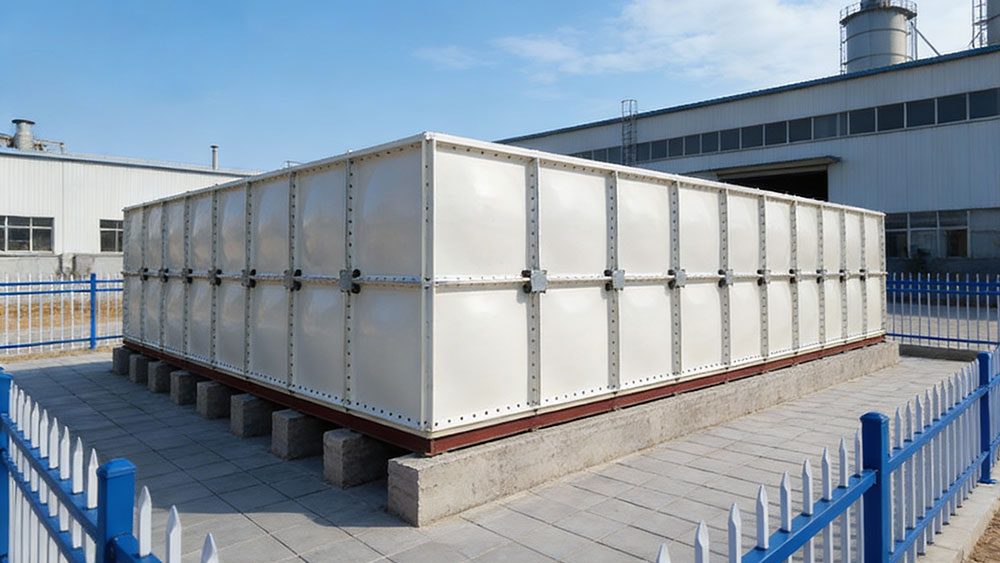
From an end-use perspective, water tanks and other civil and engineering applications commonly rely on 304-series stainless steel and are highly sensitive to raw material cost fluctuations. The sharp rise in stainless steel prices driven by higher nickel costs has placed notable pressure on water tank manufacturers. On the one hand, rising raw material prices are compressing processing margins; on the other hand, end-user demand shows limited tolerance for higher prices, leading to more cautious purchasing behavior.
Overall, amid ongoing uncertainty surrounding Indonesia’s nickel ore quota policies and elevated nickel prices, stainless steel prices are expected to remain supported by costs in the short term but with significantly increased volatility. Prices for 304 stainless steel are likely to fluctuate within the RMB 13,000–13,500 per tonne range, while the water tank stainless steel market is expected to exhibit a “price-sensitive, cautious procurement, and just-in-time purchasing” operating pattern.