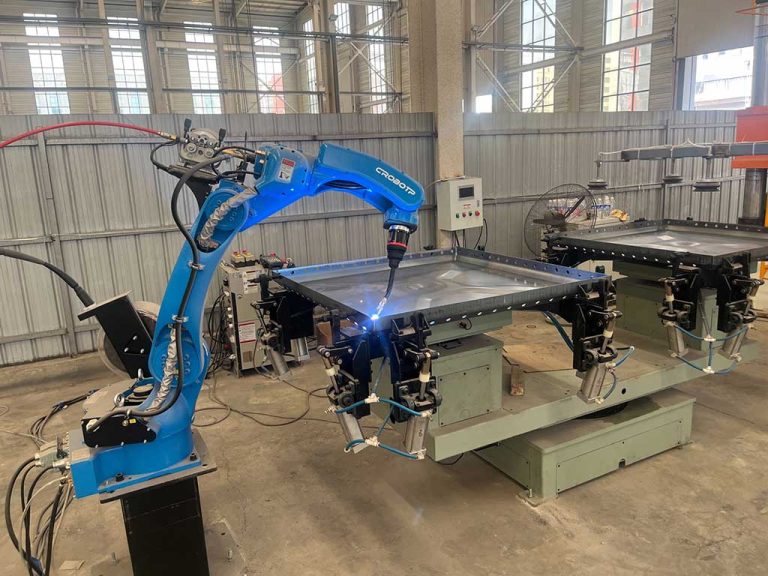
2026 Global EAF Steel Boom: Industry Shift and Stainless Steel Manufacturing Opportunities

In 2026, EAF steel expands rapidly under carbon policies, reshaping the steel industry and boosting stainless steel fabrication.

In 2026, the global steel industry is entering a critical structural turning point.
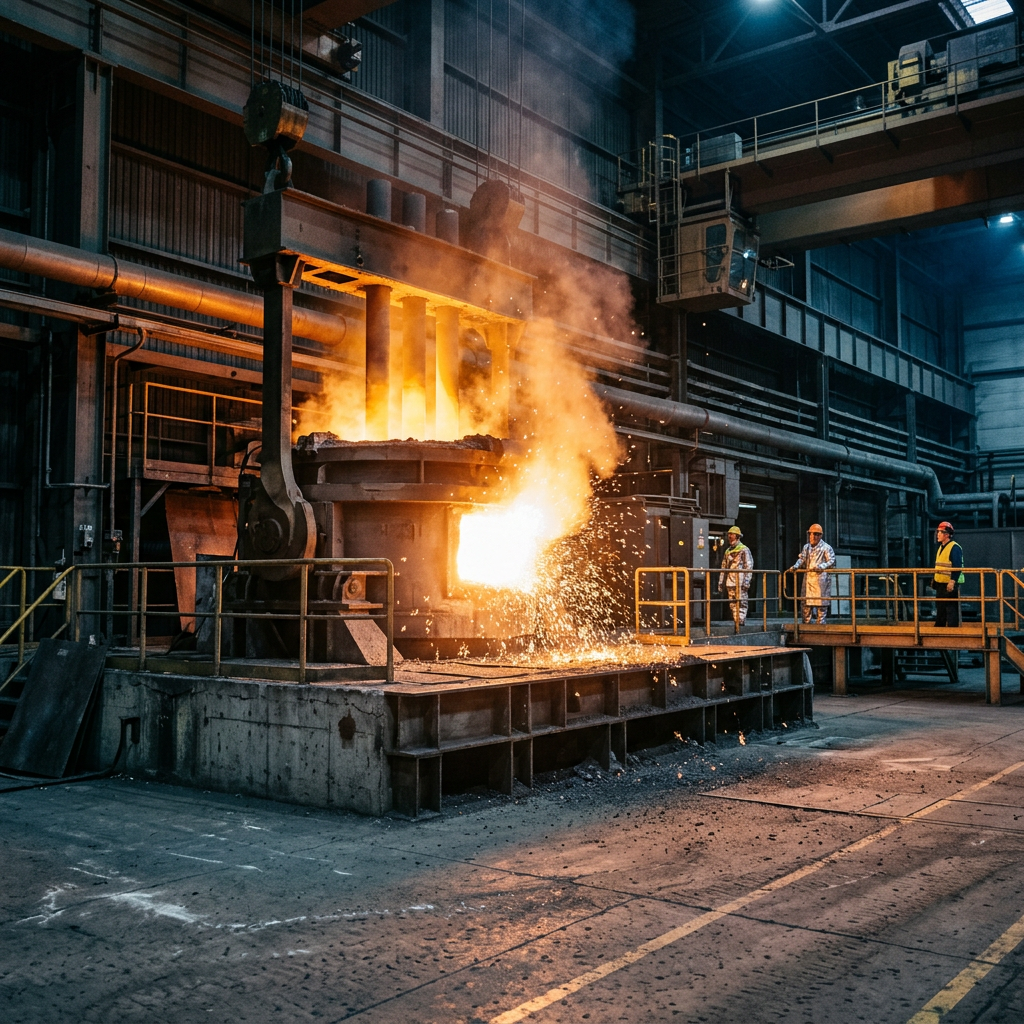
Driven by the continuous advancement of global carbon neutrality policies, the full implementation of the EU CBAM carbon border tax, tightening carbon pricing systems, and expanding green manufacturing subsidies worldwide, Electric Arc Furnace (EAF) steelmaking is rapidly evolving from a supplementary production route into a core pillar of the global steel industry.

It is no exaggeration to say that 2026 marks the key inflection point for large-scale expansion of electric arc furnace steel production worldwide.

1. The Global Steel Industry Enters a Dual-Route Structure

For decades, the global steel industry has been dominated by the blast furnace–basic oxygen furnace (BF-BOF) route. However, this structure is now undergoing significant transformation.

Electric arc furnace steelmaking is expanding rapidly due to its clear advantages:

  • Approximately 58% lower carbon emissions compared to blast furnaces
  • Flexible raw material usage (scrap steel, DRI, etc.)
  • Shorter construction and commissioning cycles
  • Better alignment with green manufacturing trends

Under global decarbonization pressure, the steel industry is gradually shifting toward a new structure:

A dual system where long-process and short-process steelmaking coexist

2. Policy Support Becomes the Key Driver of EAF Growth

By 2026, more than 60 countries worldwide have introduced or strengthened policies supporting electric arc furnace development, forming a dual-driven mechanism of “carbon constraints + financial incentives”.

1. Strengthened Carbon Constraints

  • The EU CBAM is fully implemented, imposing carbon tariffs on high-emission steel
  • Export costs for carbon-intensive steel products increase significantly
  • Low-carbon EAF steel gains a natural competitive advantage

2. Fiscal Incentives and Subsidies

  • The United States offers approximately $35 per ton in subsidies for green EAF steel
  • Japan and South Korea are tightening carbon compliance costs
  • China provides VAT incentives for scrap recycling

These policies significantly improve the economic viability of EAF steel globally.

3. Rapid Expansion of Global EAF Capacity

According to industry research data:

  • Global EAF capacity is expected to exceed 630 million tons in 2026
  • EAF steel will account for 39.5% of global crude steel production
  • This represents an increase of more than 8 percentage points compared to 2020

Forecasts also indicate:

  • Global EAF capacity may reach 810 million tons by 2030
  • Market share could approach 44%

This reflects a long-term structural transformation of the global steel industry.

4. Three Major Regional Market Patterns

1. North America: Mature Market Leadership

The United States benefits from strong green policy support and abundant scrap resources:

  • EAF steel share reaches 74.5%
  • Capacity utilization remains above 82%
  • Products focus on automotive steel and engineering steel
  • Annual exports reach approximately 24 million tons

North America has become a key global exporter of low-carbon steel.

2. Europe: Policy-Driven Transformation

With the implementation of CBAM in the EU:

  • Export costs for high-carbon steel rise sharply
  • Old blast furnaces are being phased out
  • EAF conversion projects are accelerating

Companies such as Tata Steel UK are actively investing in large-scale EAF transformation projects.

3. Asia-Pacific: The Main Growth Engine

The Asia-Pacific region is the fastest-growing market:

  • India adds over 12 million tons of EAF capacity (2025–2026)
  • Vietnam and Indonesia are rapidly building short-process steel plants
  • Japan is accelerating EAF upgrades and replacing aging facilities

This region has become the primary driver of global EAF capacity growth.

4. China: Steady Structural Optimization

Driven by the dual-carbon strategy:

  • EAF steel target: 18% share by 2026
  • Existing capacity: approximately 210 million tons
  • New and planned capacity exceeds 50 million tons
  • Utilization rate has recovered to 68%

China is steadily optimizing its steel production structure.

5. Core Drivers Behind EAF Expansion

The global expansion of electric arc furnace steel is driven by four key factors:

  • Rising carbon emission costs
  • Increasing policy subsidies
  • Mature scrap recycling systems
  • Growing demand for low-carbon supply chains

In essence, the steel industry is undergoing a “carbon-driven cost restructuring”.

6. Downstream Impact: Stainless Steel Fabrication Industry Benefits Simultaneously

The rapid development of EAF steel is not only reshaping upstream production but also significantly impacting the downstream stainless steel fabrication industry.

1. Greener Raw Material Structure

Stainless steel manufacturers rely mainly on:

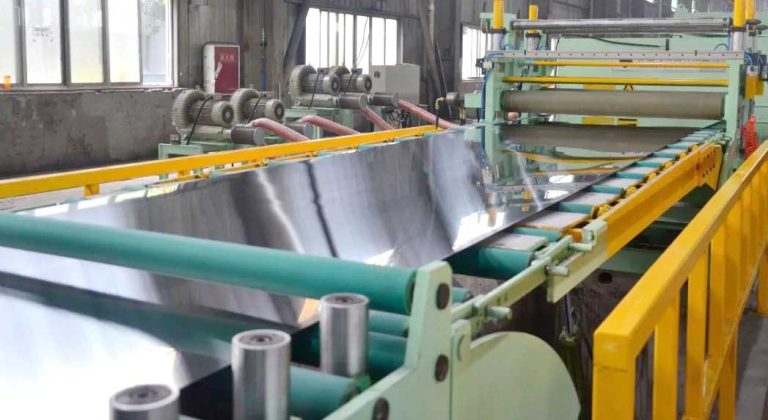
  • Stainless steel coils (304, 316, 201 grades)
  • Cold-rolled and hot-rolled sheets
  • Recycled stainless steel scrap

As EAF adoption increases:

  • Scrap supply becomes more stable
  • Share of low-carbon raw materials increases
  • Supply chains become more sustainable

2. Three Key Industry Changes

(1) Improved Export Competitiveness

In European and US markets:

  • Carbon footprint certification becomes a market entry requirement
  • Low-carbon materials improve bidding success rates
  • Green supply chains become a core advantage

(2) Product Upgrading Acceleration

The industry is shifting from basic fabrication to high-value products such as:

  • Modular water tanks
  • Industrial water storage systems
  • Food-grade storage tanks
  • Environmental and water treatment equipment

(3) Growing Engineering Demand

Driven by global infrastructure and agricultural modernization:

  • Agricultural irrigation systems
  • Greenhouse water supply systems
  • Industrial storage systems
  • Municipal water treatment equipment

Strong demand is emerging in:

  • Southeast Asia agricultural projects
  • Middle East greenhouse developments
  • African infrastructure construction

3. Industrial Chain Linkage

EAF steel → Stainless steel sheets → Industrial products → Engineering applications

Final application areas include:

👉 The stainless steel fabrication industry is becoming a key downstream beneficiary of EAF expansion.

7. Future Outlook: Full-Chain Decarbonization

Over the next five years, three major trends will dominate the global steel and stainless steel industries:

  • Continued increase in EAF steel share
  • Standardization of carbon footprint certification
  • Accelerated globalization of downstream engineering industries

Conclusion

2026 is not only a key milestone for the large-scale expansion of electric arc furnace steel, but also a major turning point in the transformation of the global steel industry from a high-carbon system to a low-carbon system.

At the same time, the stainless steel fabrication industry is emerging as a major beneficiary of this structural shift.

In the future global supply chain, low-carbon capability will no longer be an advantage—it will become a basic requirement for market access.
Looking for
A Reliable Water Tank Solution?

Factory-direct water tank manufacturer providing custom design, fast quotation, and reliable quality. Suitable for industrial, commercial, and engineering projects.