Email: info@oudreywatertank.com
Whatsup: +86159 1014 5521
Leak prevention of welded and bolted water tanks depends on design, sealing systems, and installation for reliable operation.
For water tank buyers, construction contractors, and end users, preventing leakage is one of the most important factors when selecting a water storage system. Reliable sealing performance ensures long-term operation, reduces maintenance costs, and improves overall system safety.
The leakage prevention performance of steel sectional water tanks mainly depends on three key factors:
According to different connection methods, modular water tanks can generally be divided into welded water tanks and bolted water tanks. Their leakage prevention methods are also different.
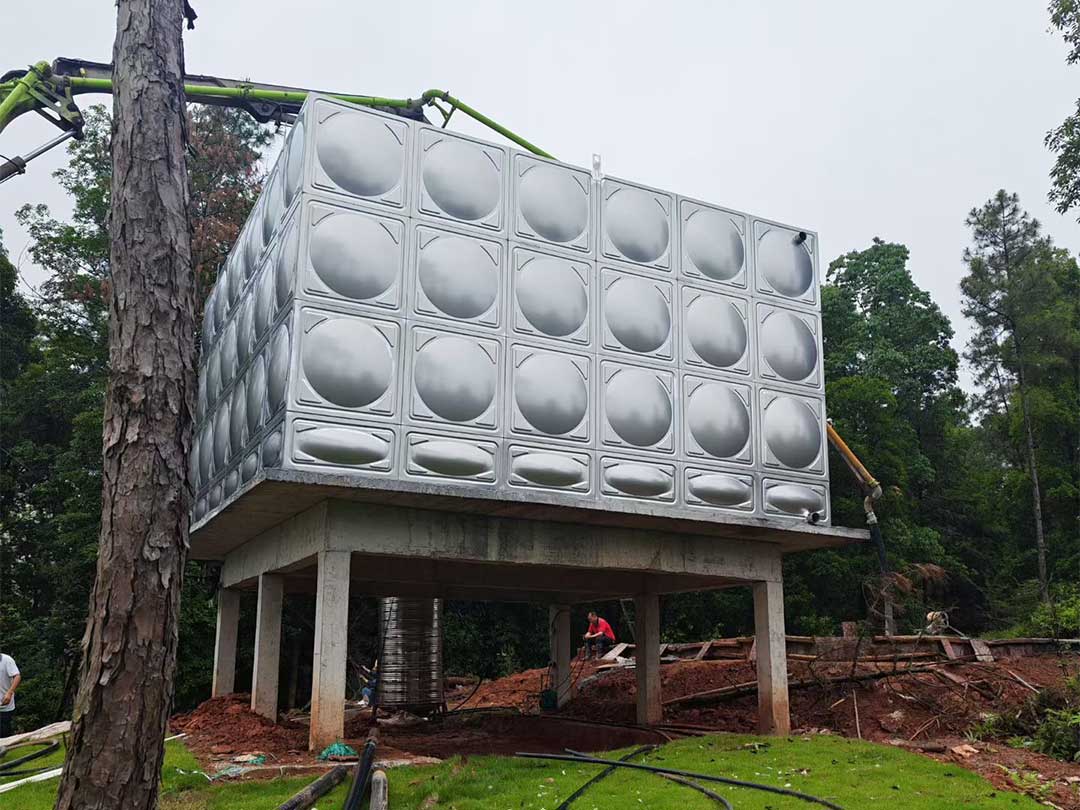
Common welded water tanks include welded stainless steel water tanks and welded ribbed stainless steel water tanks. These tanks are manufactured by assembling pre-formed panels through welding processes.
The sealing performance of welded water tanks mainly depends on the following factors:
The accuracy and flatness of tank panels are the foundation of high-quality welding assembly.
Standardized panel dimensions and smooth surfaces can:
For large-capacity water tanks, proper internal reinforcement is essential.
Internal structures such as:
can effectively:
Welding quality is the most direct factor affecting leakage performance.
A professional welding process includes:
The most common leakage problem in welded tanks is caused by welding defects.
After welding, experienced technicians usually perform a water-tightness inspection.
One common method is the kerosene penetration test:
Kerosene is sprayed onto the external weld seams of the tank and left for approximately 30–60 minutes. The internal weld areas are then checked for:
Due to its excellent penetration ability, kerosene is effective for identifying small welding defects. For high-standard projects, professional inspection equipment can also be used.
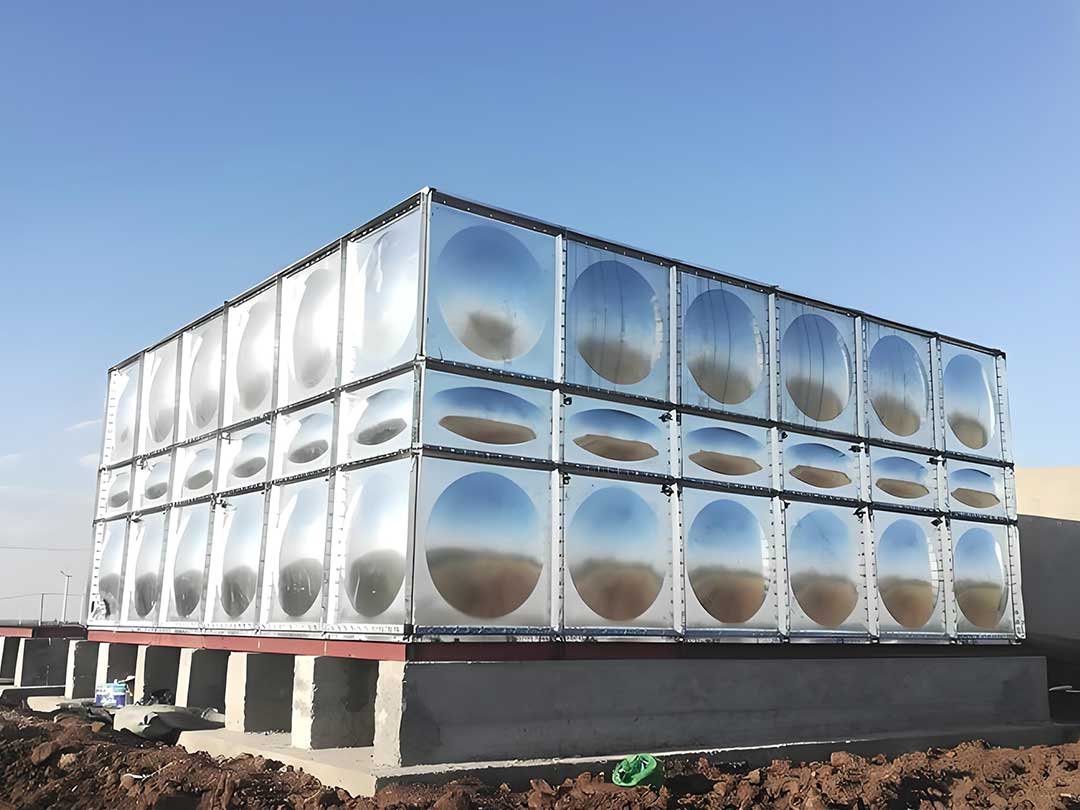
Unlike welded tanks, bolted modular water tanks do not rely on continuous welding for sealing. Instead, they prevent leakage through:
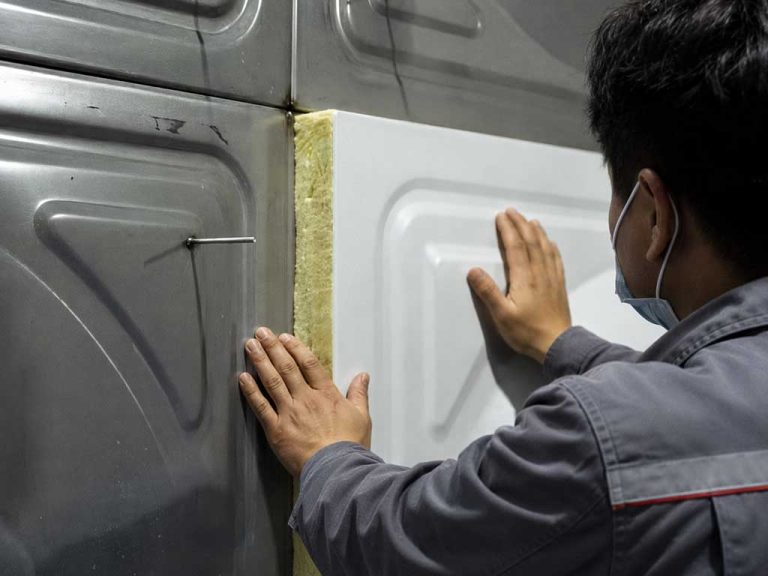
Bolted modular water tanks usually use food-grade EPDM sealing gaskets.
Features include:
Additional sealant can be applied as secondary protection at:
This improves long-term leakage resistance.
Bolted water tanks use:
Proper tightening creates stable pressure between panels, allowing the gasket to achieve effective sealing.
Correct bolt installation is critical:
High-quality modular water tanks usually adopt:
Advantages:
For example, a 3-meter-high water tank experiences greater pressure at the bottom and side panels, requiring appropriate panel thickness and reinforcement design.
Large modular water tanks are usually equipped with:
Their functions include:
In many cases, water tank leakage is not caused by product quality but by improper installation.
During installation, attention should be paid to:
✅ Checking foundation levelness
✅ Cleaning panel connection surfaces
✅ Installing sealing gaskets correctly
✅ Tightening bolts according to the required sequence
✅ Performing a full water test after installation
Normally, a 24–72 hour water filling test is required after installation to confirm that there is no leakage before the tank is put into operation.
With 16 years of experience in modular water tank manufacturing and installation, we are one of the leading manufacturers in China.
We specialize in producing:
With thousands of successful installation projects, we provide professional panel manufacturing, customized solutions, and installation support to ensure reliable long-term performance of every water storage system.
If you have any questions or requirements regarding water tanks, please feel free to contact us for a professional solution.
Water tank leakage prevention mainly depends on structural design, sealing materials, manufacturing quality, and professional installation.
Welded tanks rely on high-quality welding processes, while bolted modular tanks use EPDM gaskets, bolt connections, and reinforced panels for sealing.
Bolted water tanks use food-grade EPDM sealing gaskets, stainless steel bolts, and reinforced panel structures to maintain reliable sealing performance.
Welded tanks can be inspected through water filling tests, kerosene penetration tests, and professional welding inspection methods.
Installation should include checking foundation levelness, correct gasket placement, proper bolt tightening, and a 24–72 hour water leakage test.