Email: info@oudreywatertank.com
Whatsup: +86159 1014 5521
Extreme heat strains India’s water supply. Modular stainless steel tanks improve storage and ensure reliable access.
In May 2026, India was once again hit by an extreme heatwave. Driven by a strong El Niño effect, temperatures in northern, central, and western India approached 50°C, with Uttar Pradesh recording a high of 47.6°C.
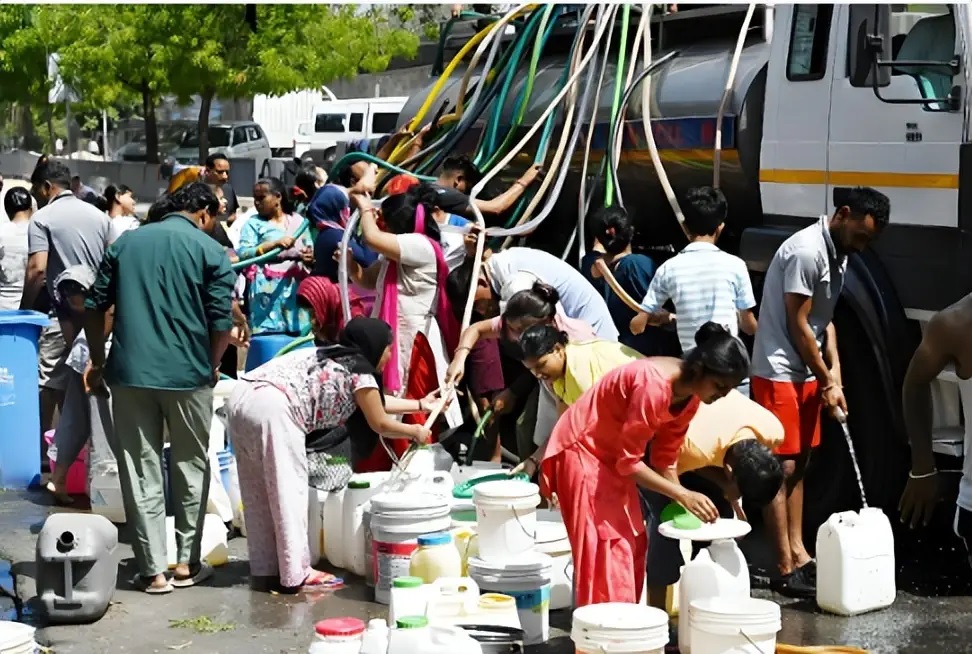
At the same time, the country’s electricity demand reached record-breaking levels, causing large-scale power outages in some regions. Several Indian cities experienced disruptions to water supply and shortages of drinking water, raising serious concerns about public well-being.
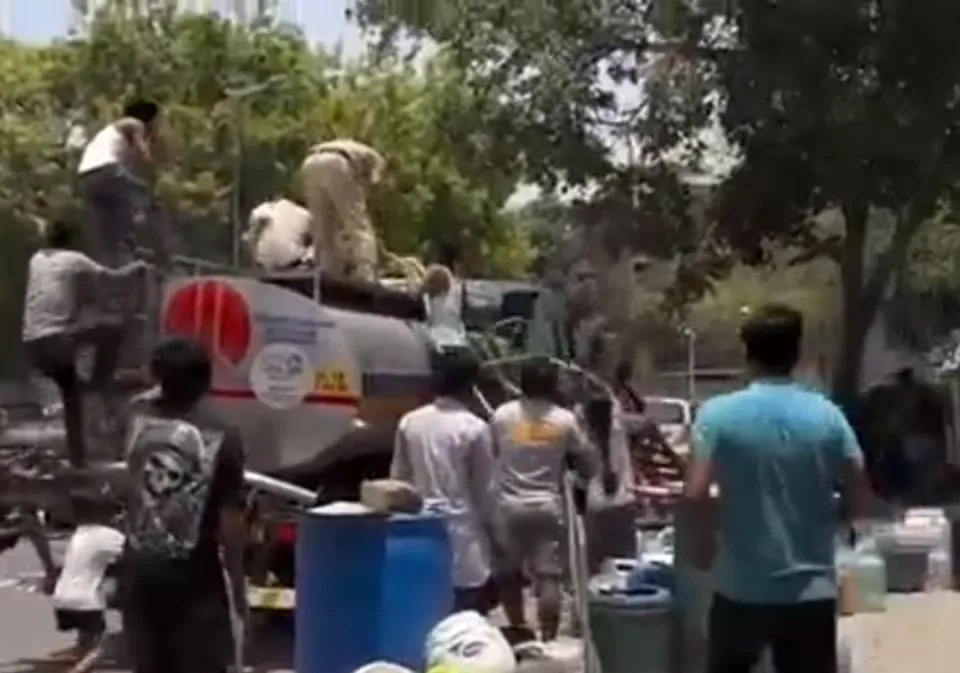
In areas such as Uttar Pradesh, water tankers became a primary source of drinking water for residents. Media reports showed crowds chasing water trucks, with some people even climbing onto vehicles to collect water. These scenes not only highlight the immediate impact of extreme weather but also expose long-standing weaknesses in India’s water supply infrastructure.
According to Indian government agencies and related institutions, India is home to approximately 18% of the world’s population but possesses only about 4% of global freshwater resources. More than 600 million people across the country face varying degrees of water stress.
The ongoing heatwave has intensified several challenges:
In recent years, rapid urbanization and industrial growth have contributed to recurring water shortages in major Indian cities, including:
Population growth in these cities has significantly outpaced the development of water infrastructure.
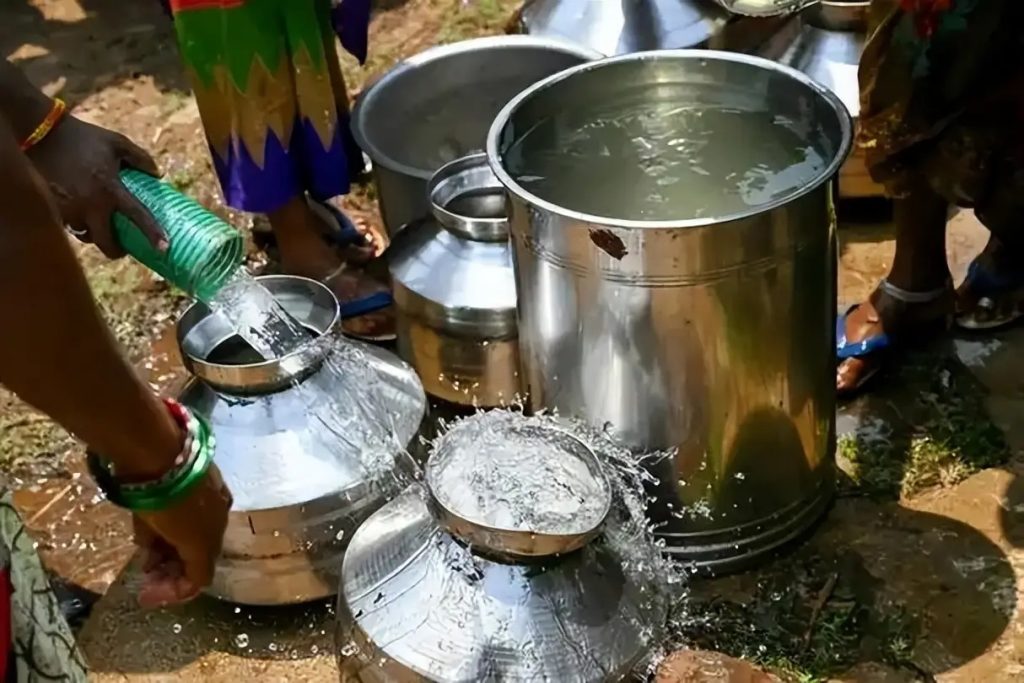
According to India’s urban water supply standards, the recommended domestic water requirement is approximately 135 liters per person per day.
However, the reality is often far below this target:
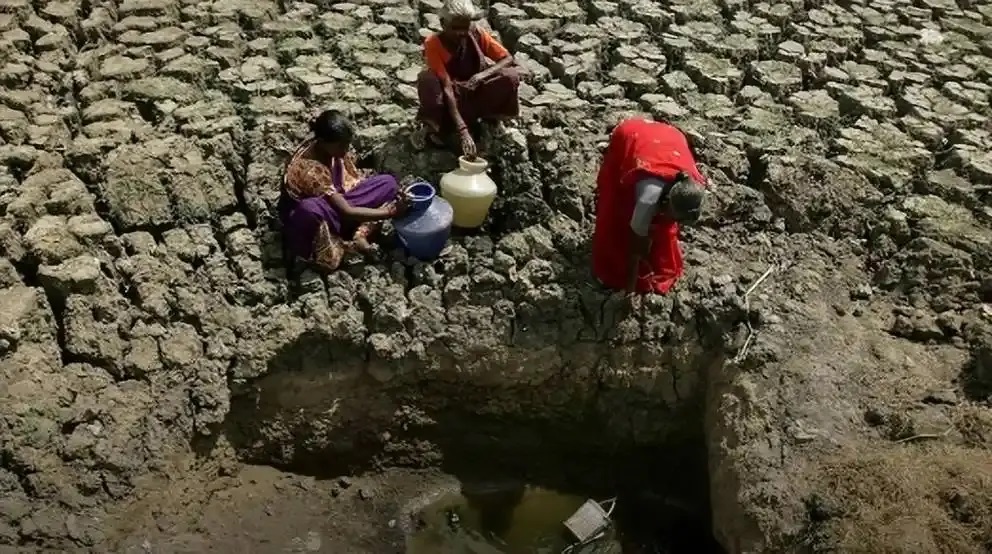
According to government assessments, India’s water demand could reach approximately 1,500 billion cubic meters by 2030, while available water resources may be limited to around 1,100 billion cubic meters. This could result in a supply gap approaching 30%, a figure likely to worsen during prolonged heatwaves.
Compared with many developed countries, India’s water supply system has one distinct characteristic:
Intermittent water supply.
In many cities:
However, many older communities still lack adequate storage capacity.
When disruptions occur due to:
water shortages can quickly affect both daily life and industrial operations.
In recent years, the Indian government has been actively investing in:
Water storage systems have become an essential component of these efforts.
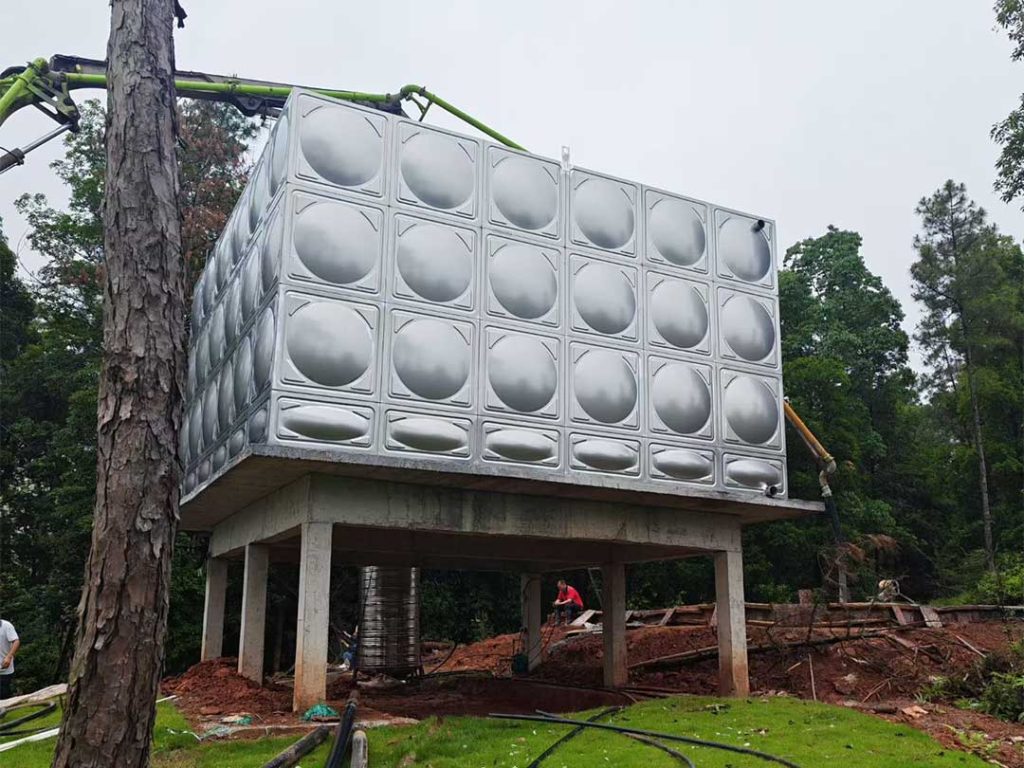
For municipal water supply networks, large-scale storage facilities can:
Provide buffer capacity during periods of high consumption and reduce pressure on distribution networks.
Maintain water availability when pumping systems are temporarily offline.
Heatwaves often increase fire risks, making reliable emergency water reserves more important.
Ensure access to essential water supplies during natural disasters and unexpected infrastructure failures.
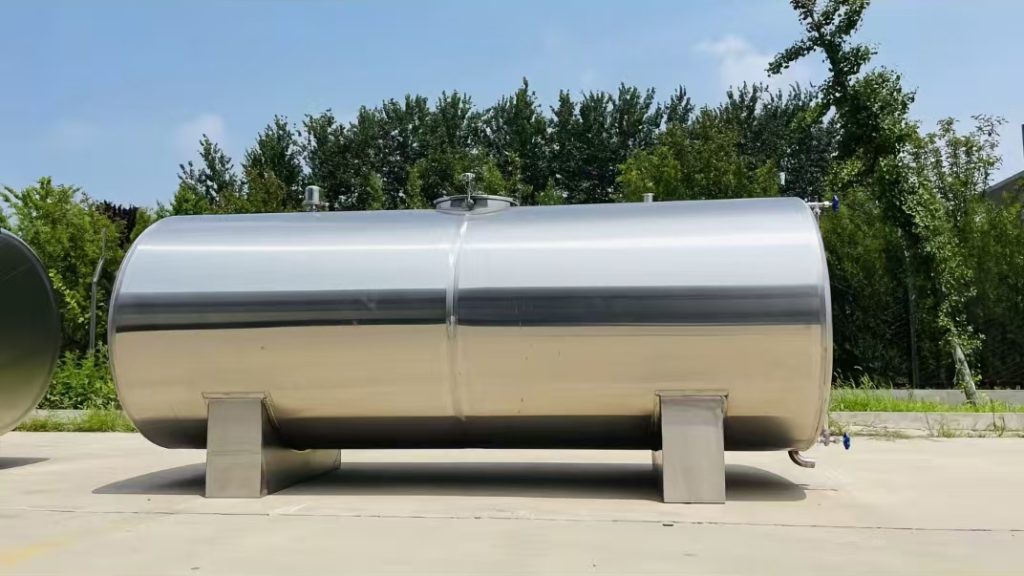
As demand for water storage continues to grow, traditional concrete reservoirs face challenges such as long construction periods and complex maintenance requirements.
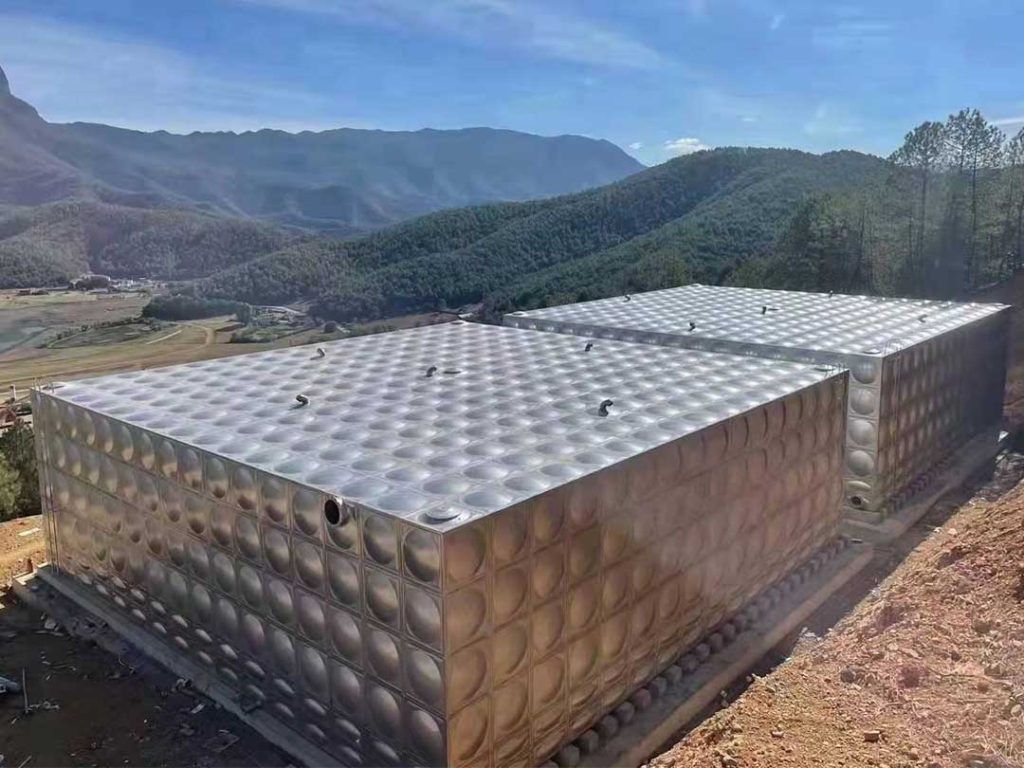
Modular stainless steel water tanks are increasingly becoming a preferred solution for projects across India.
Their key advantages include:
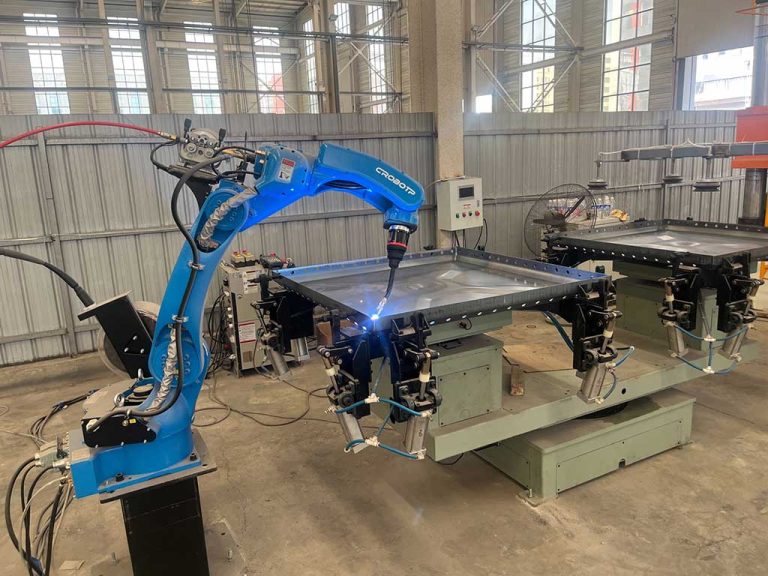
Factory-manufactured panels can be assembled on-site, significantly reducing construction time.
Storage capacity can be increased easily by adding panels as population or industrial demand grows.
Manufactured from SUS304 or SUS316 stainless steel, these tanks help maintain high drinking water quality standards.
Suitable for India’s hot, humid, and coastal environments.
Knock-down panel designs simplify transportation, making them ideal for remote regions and overseas projects.
Long service life reduces operating and maintenance expenses.
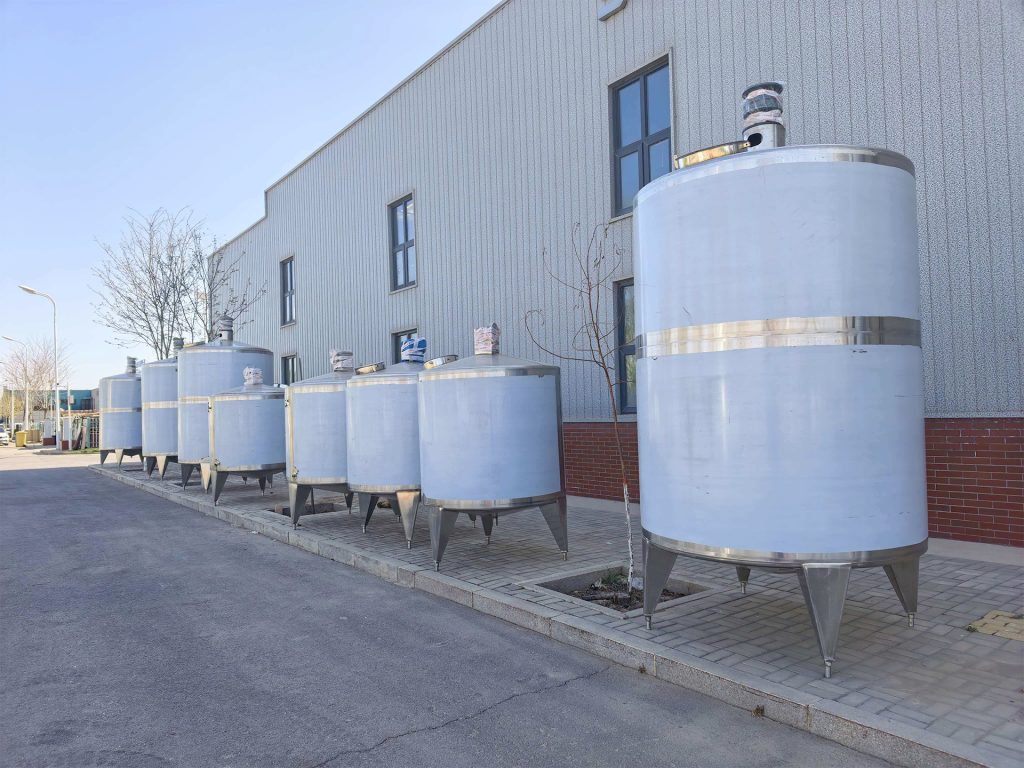
The impact of extreme heat extends beyond households and directly affects industrial production.
As India’s manufacturing sector continues to expand, industries such as:
all depend on stable and reliable water supplies.
Water shortages can result in:
As a result, more industrial parks are investing in:
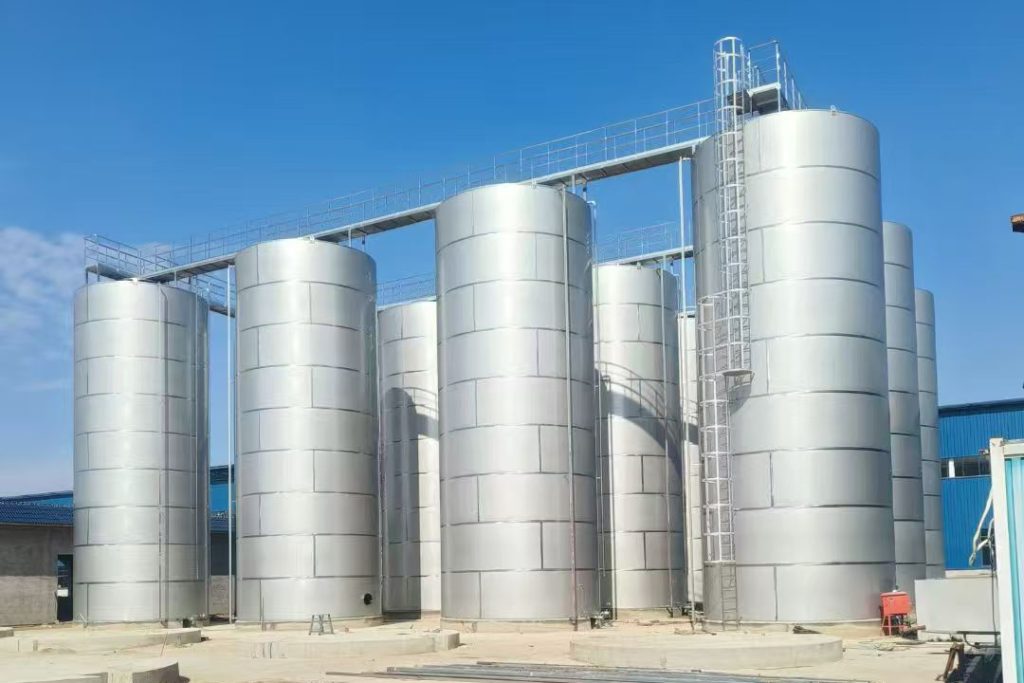
Large modular stainless steel water tanks are becoming a vital component of industrial water infrastructure.
Climate change is reshaping water resource management around the world.
For India, the challenge is no longer limited to water availability alone. The greater issue is how to improve the resilience of its water supply systems.
As extreme heatwaves, droughts, and power shortages become more frequent, relying solely on supply networks is no longer sufficient to meet the needs of growing cities and expanding industries.
Developing modern water storage systems for urban areas, industrial parks, commercial facilities, and rural communities will become a major focus of future infrastructure investment.
In this transition, modular stainless steel water tanks, smart water management systems, and the integration of energy storage and renewable energy technologies can play a critical role in improving water security, strengthening resilience against extreme weather events, and supporting India’s long-term economic and industrial growth.