Email: info@oudreywatertank.com
Whatsup: +86159 1014 5521
China’s 97 policy accelerates stainless steel consolidation and upgrading, reshaping construction and manufacturing supply chains.
On May 18, 2026, the Ministry of Industry and Information Technology of China officially issued the “Steel Industry Capacity Replacement Implementation Measures” (MIIT Raw [2026] No. 97), fully replacing the 2021 version. This policy marks a new phase of structural adjustment in China’s steel and stainless steel industry.
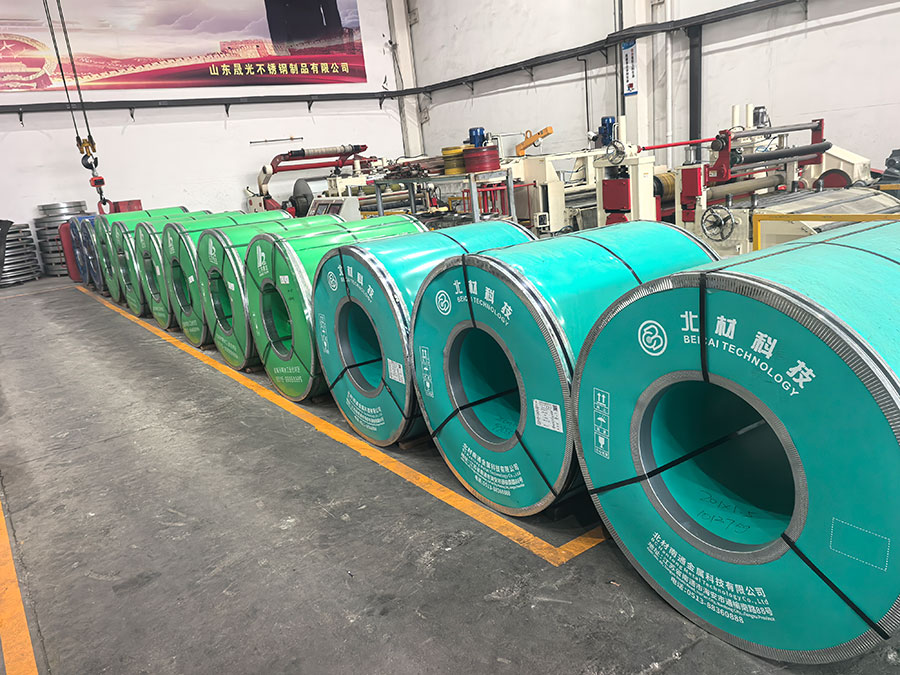
The implementation of this policy will reshape the industry landscape, accelerating consolidation, upgrading, and restructuring across the entire value chain.
The core change of Policy 97 is the tightening of capacity replacement mechanisms and the strengthening of high-end development orientation. The industry is shifting from “scale expansion” to “quality and structural optimization.”
Key trends include:
Competition is shifting from output scale to technology and product structure.
Major players such as TISCO, Tsingshan Group, and Baosteel Desheng are further strengthening their positions due to their capacity compliance, capital strength, and technological advantages.
These companies typically feature:
For example, TISCO continues to increase R&D investment in nuclear-grade steel, LNG storage steel, and precision materials, transitioning from scale-driven growth to technology-driven profitability.
Companies with capacities between 500,000 and 2 million tons are entering a critical transformation phase.
Two main paths emerge:
Industry consolidation is accelerating significantly as cross-company capacity trading is phased out.
Small and medium-sized producers lacking compliant capacity and technological upgrades face increasing survival pressure.
Rising environmental costs and carbon emission constraints further weaken their competitiveness.
Low-end stainless steel products, especially certain 200-series grades, continue to suffer from thin or negative profit margins, making market exit increasingly likely.
Policy 97 not only reshapes the steel industry but also transmits significant effects to downstream sectors.
Material costs may rise in the short term. High-end structural stainless steel usage will increase, and procurement strategies will focus more on supply stability.
The home appliance sector will increasingly adopt high-quality stainless steel, pushing for lightweight design and material optimization to control cost pressures.
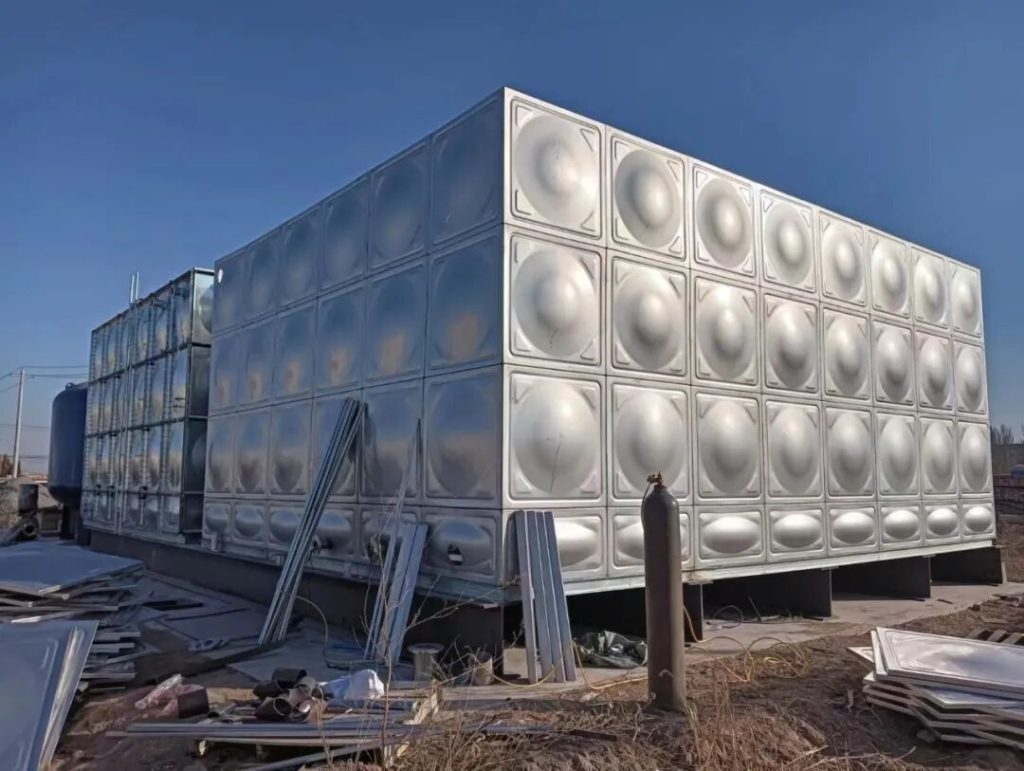
Industries such as water storage tanks and supply systems will face direct impact:
At the same time, this creates opportunities for high-end and system-based solutions.
Demand for LNG, nuclear power, and energy-related stainless steel continues to grow, driving the industry toward higher value-added segments.
Over the next 3–5 years, the stainless steel industry is expected to form a structure of “3–5 national leaders + specialized regional players,” with continued rising concentration.
The core logic of the industry is shifting from capacity competition to technological and high-end product competition.
Policy 97 is not only a capacity adjustment policy but also a structural reshaping of the entire stainless steel industry. It will significantly impact downstream industries by changing cost structures, supply chains, and competition patterns, especially in construction, manufacturing, and industrial equipment sectors.