Email: info@oudreywatertank.com
Whatsup: +86159 1014 5521
Enamel steel water tanks offer hygienic water storage, corrosion resistance, and modular installation advantages.
In building water supply, fire protection, and industrial water storage systems, the choice of water tank material directly affects service life, water quality safety, and maintenance costs.
In recent years, enamel steel water tanks have become increasingly popular in hospitals, hotels, industrial facilities, and overseas engineering projects due to their excellent hygiene performance and corrosion resistance.
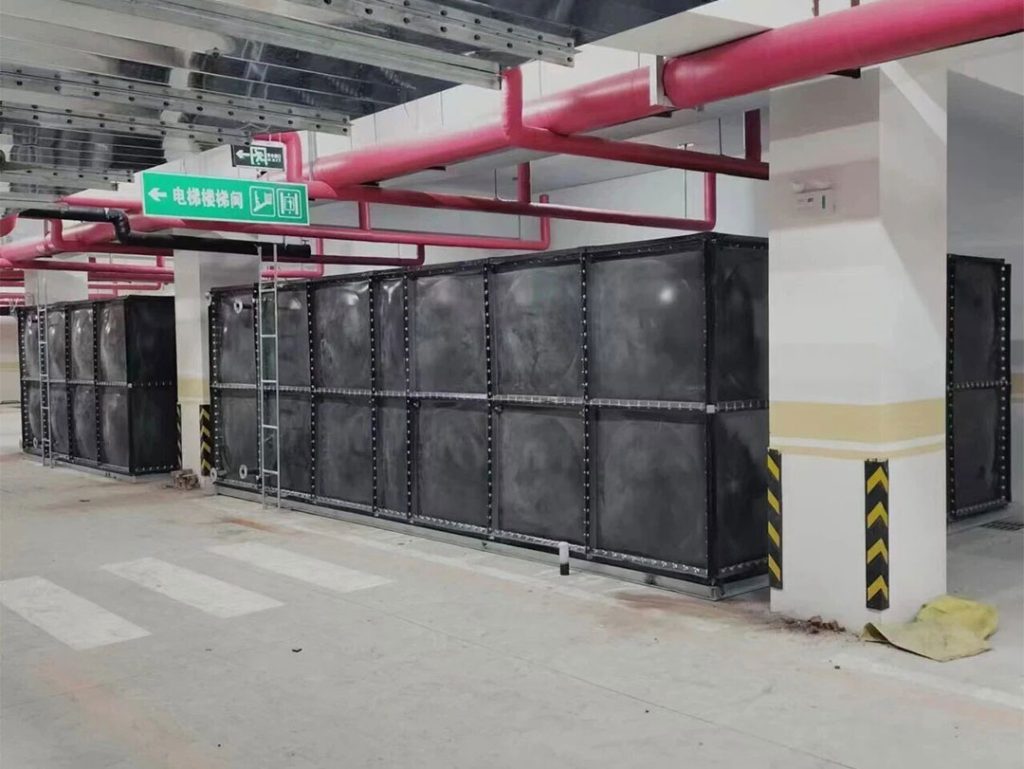
Especially in drinking water applications, enamel water tanks offer clear advantages over traditional galvanized steel tanks.
So, what are the advantages of enamel steel water tanks? Are there any disadvantages? What should be considered during transportation and installation?
This article provides a complete overview.
An enamel steel water tank is a modular storage tank made from high-quality steel plates coated with a high-temperature fused enamel layer.
The tank is assembled on-site using modular panels, allowing flexible customization of dimensions and capacity.
Because it combines the strength of steel with the corrosion resistance of enamel coating, it is widely used in:
The enamel surface is smooth and dense, making it difficult for dirt and bacteria to accumulate.
Compared with ordinary carbon steel tanks, enamel tanks are easier to keep clean and sanitary.
They are especially suitable for:
The smooth inner surface also reduces cleaning and maintenance difficulty.
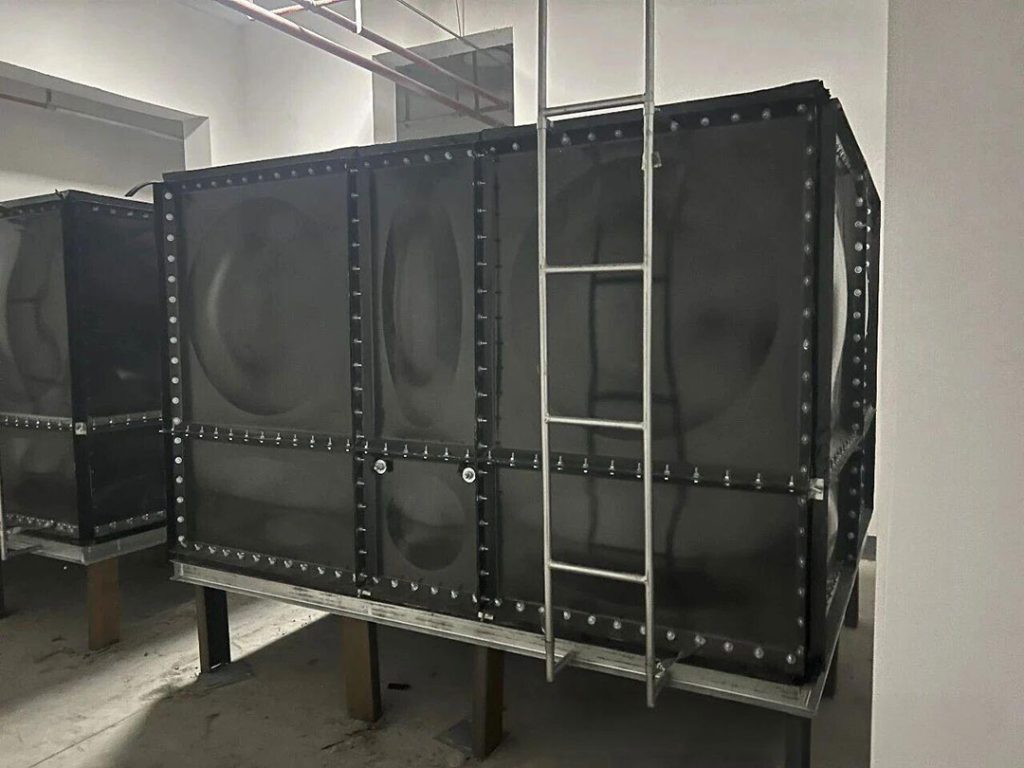
The enamel layer forms a glass-like protective coating through high-temperature firing.
It effectively isolates the steel surface from:
This significantly improves corrosion resistance and extends service life.
Enamel tanks perform well even in humid, high-temperature, or industrial environments.
Enamel steel water tanks are commonly designed with:
These features provide excellent structural strength and stability.
Under proper installation and maintenance conditions, the service life can typically reach 15–25 years or more.
Enamel water tanks use standardized modular panels.
They can be flexibly assembled for:
This modular design also makes future expansion and maintenance easier.
It is especially suitable for overseas projects due to convenient transportation and on-site assembly.
Although enamel tanks offer many advantages, there are also some limitations that should be considered.
Although the enamel surface is hard, it is essentially a glass-like coating.
During transportation, lifting, or installation, strong impacts may cause:
Once the enamel layer is damaged, the exposed steel surface may rust.
Therefore:
To protect the enamel coating, export projects usually require:
Compared with galvanized steel tanks, packaging and shipping costs are generally higher.
Long-distance sea transportation requires extra attention to shock protection and container loading methods.
Enamel tanks require careful installation.
Improper handling such as:
may damage the enamel coating.
Professional installation teams and proper handling procedures are strongly recommended.
For potable water storage, the enamel coating must meet strict hygiene standards.
Buyers should confirm:
Poor-quality enamel coatings may result in:
Therefore, certified and experienced manufacturers are highly recommended for drinking water projects.
A hospital project in Southeast Asia originally planned to use galvanized steel water tanks.
However, due to the following requirements:
the project eventually selected enamel steel sectional water tanks.
To protect the enamel coating, the project implemented:
After several years of operation:
When purchasing enamel steel water tanks, it is recommended to confirm:
For overseas projects, buyers should also verify:
As water supply and industrial storage systems increasingly demand better hygiene, corrosion resistance, and longer service life, enamel steel water tanks are becoming a preferred solution for hospitals, fire protection systems, and industrial projects.
Although they require more careful transportation and installation management, choosing an experienced manufacturer with international project expertise can provide a long-lasting, hygienic, and reliable water storage solution.
Yes. However, the enamel coating should comply with potable water standards and have relevant certifications such as NSF or WRAS.
Under normal conditions, they have excellent corrosion resistance. However, if the enamel coating is severely damaged, exposed steel areas may rust.
With proper installation and maintenance, the service life is typically 15–25 years or longer.
Impact and collision should be avoided. Wooden crates, foam protection, and soft lifting belts are commonly used during transportation and handling.
Both have advantages. Enamel tanks are usually more cost-effective for large projects, while stainless steel tanks offer better impact resistance and easier maintenance.