Email: info@oudreywatertank.com
Whatsup: +86159 1014 5521
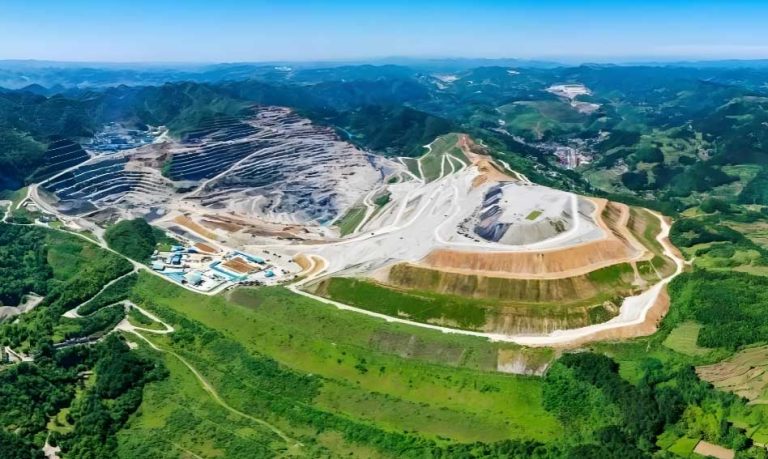
Indonesia’s Ministry of Energy and Mineral Resources (ESDM) has confirmed plans to cut nickel ore production in its 2026 Work Plan and Budget (RKAB)
Indonesia’s Ministry of Energy and Mineral Resources (ESDM) has confirmed plans to cut nickel ore production in its 2026 Work Plan and Budget (RKAB).
Output will be aligned with smelter capacity and capped at 250–260 million tonnes, down sharply from 2025 levels.The move marks a key shift in Indonesia’s nickel policy and could tighten global supply.
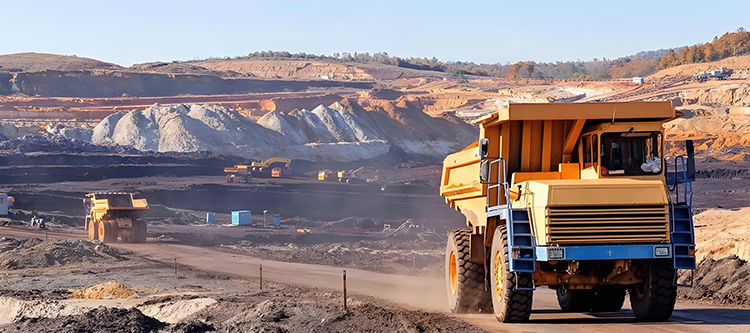
The production cut in the 2026 RKAB is widely seen as a turning point in Indonesia’s nickel industry management.ESDM stated that the government will no longer pursue aggressive expansion of nickel mining.
Instead, production will be adjusted based on downstream demand and capacity utilization.
Energy and Mineral Resources Minister Bahlil Lahadalia said future nickel output will be demand-driven.
The policy also aims to promote fair resource allocation and prevent excessive concentration of supply chains among large corporations.
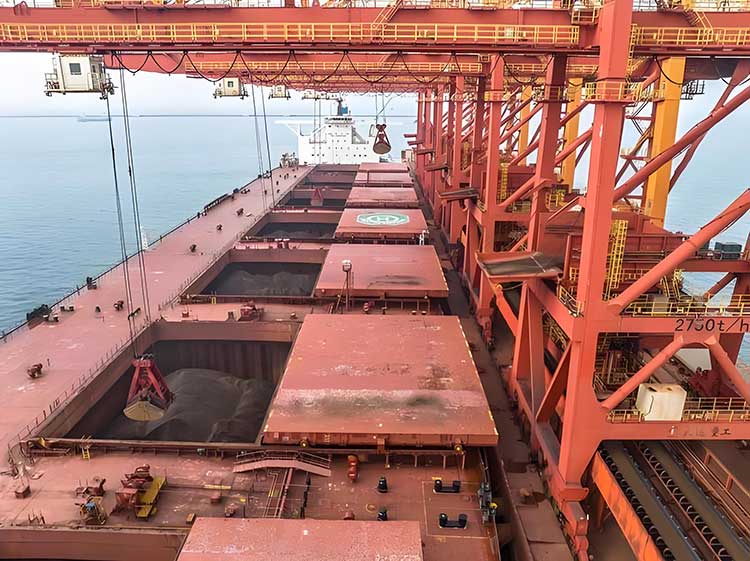
Under the 2026 RKAB, Indonesia plans to cut nickel ore output to 250 million tonnes.
This compares with 379 million tonnes in 2025, representing a significant reduction.
The Indonesian Nickel Miners Association (APNI) said the move is in line with commodity market cycles.
The key concern is a mismatch between mining output and downstream demand.
According to the Indonesian Nickel Industry Forum (FINI), new projects—especially HPAL smelters—will lift Indonesia’s smelting capacity to 2.7 million dry metric tonnes (dmt) of Class I and Class II nickel in 2026.
To support this capacity, smelters are expected to consume 340–350 million tonnes of nickel ore.
With production capped at 250 million tonnes, the domestic market could face a shortfall of around 100 million tonnes.
The situation is further complicated by delays in RKAB approvals.
As of March 2026, companies are only allowed to produce 25% of their approved RKAB targets.
Market participants say this restriction further tightens near-term supply.
Analysts expect the tighter supply environment to support nickel prices in the short term.
Prices could rise to the USD 18,000–19,000 per tonne range.
However, if mining policy and smelter demand remain misaligned, Indonesia may face rising prices alongside raw material shortages for domestic processors.
On January 15, Goldman Sachs said that if Indonesia enforces a stricter 260 million tonne mining quota in 2026,
average nickel prices could approach USD 18,000 per tonne.
This compares with the bank’s base-case forecast of USD 14,800 per tonne.
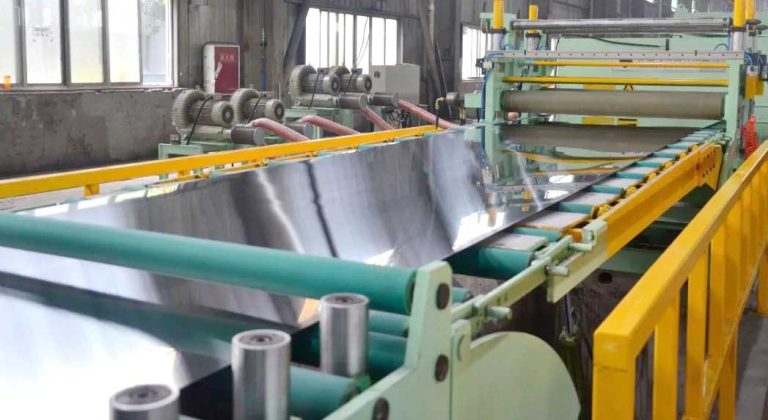
Nickel is a critical alloying element in stainless steel.Taking SUS304, which is commonly used for stainless steel water tanks, as an example, its nickel content typically ranges from 8% to 10%.SUS316 contains a higher level of nickel, usually around 10% to 14%.
In the cost structure of stainless steel, nickel-related costs generally account for 30% to 50%.
When nickel ore output tightens and nickel prices rise, stainless steel sheet prices tend to increase accordingly.
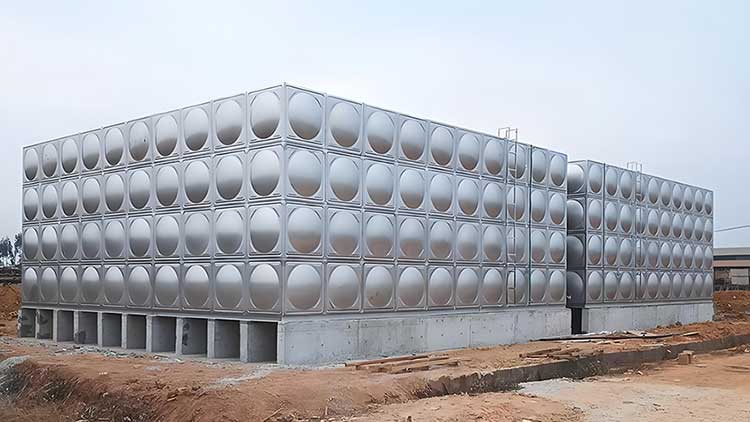
Industry estimates indicate that for every USD 1,000 per tonne increase in nickel prices,the cost of stainless steel raw materials may rise by 2% to 4%.
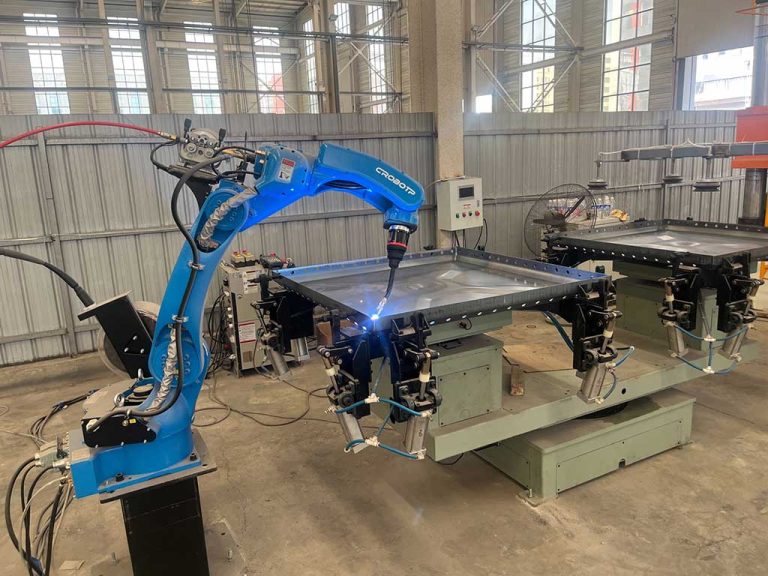
This directly increases production costs for stainless steel water tanks and squeezes manufacturers’ profit margins.
During periods of rising raw material prices, stainless steel water tank products typically show a clear cost pass-through effect.
Data show that during sustained nickel price increases,
factory prices of stainless steel water tanks are usually adjusted by 5% to 15%,
depending on contract terms, inventory levels, and raw material procurement strategies.
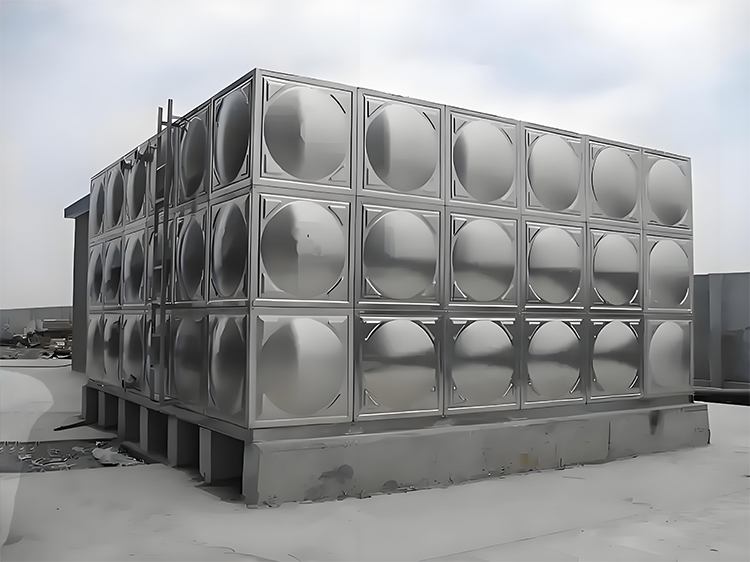
For industrial water tanks, municipal projects, and large customized tank projects,
raw material price fluctuations can directly affect project budgets and purchasing schedules.
Some end users choose to postpone procurement when nickel prices are high,
which may suppress short-term demand in the stainless steel water tank market.
In the long term, stable nickel supply and price ranges help the stainless steel water tank industry maintain reasonable pricing
and support the sustainable growth of downstream applications.