Email: info@oudreywatertank.com
Whatsup: +86159 1014 5521
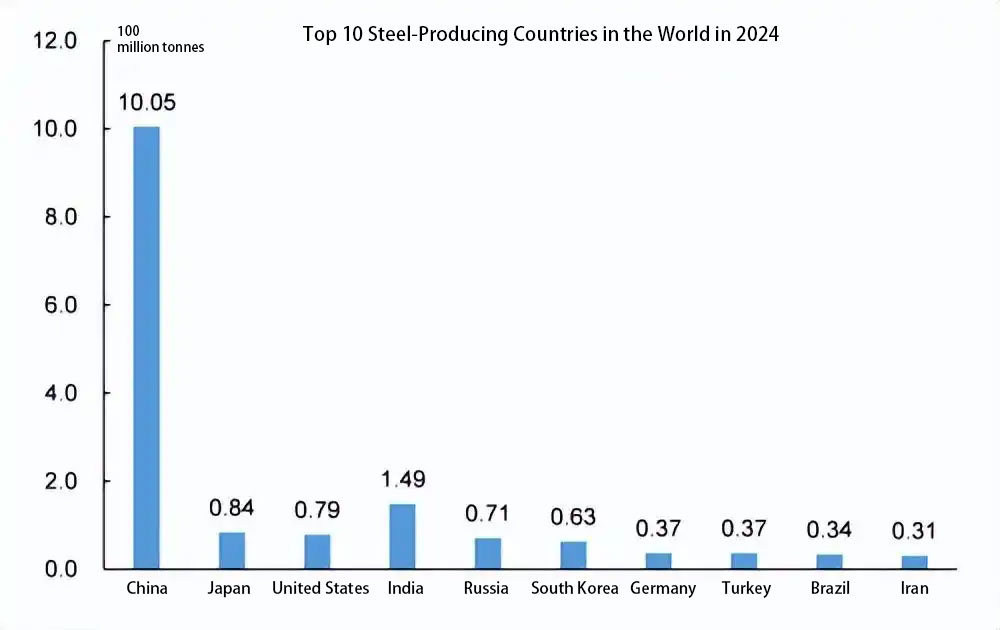
In 2024, India became the world’s second-largest crude steel producer, but self-sufficiency in high-end steel remains below 40%. Electrical steel, coated and galvanized products, and high-performance automotive steel are still...
In 2024, India’s crude steel output reached about 149 million tonnes.
India became the second-largest steel producer globally, surpassing the United States and Japan.
At first glance, this suggests strong industrial progress.
However, a closer review shows deep structural challenges behind the headline figures.
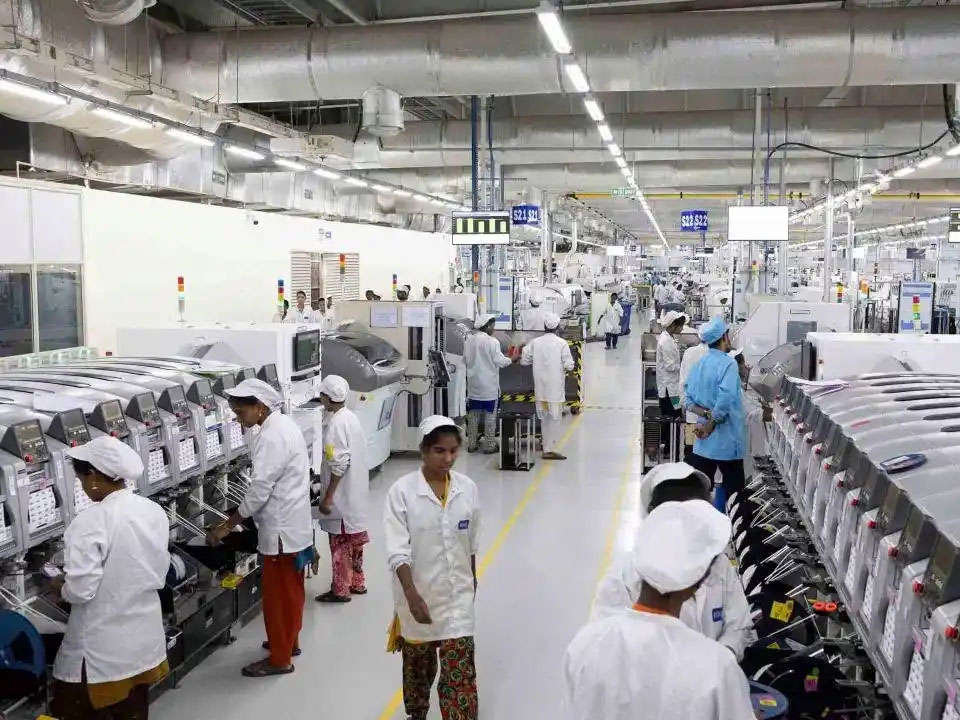
India’s steel output growth is mainly driven by capacity expansion using imported equipment and technology.
It is not based on a fully developed domestic steel value chain.
Industry data show that around 70% of blast furnaces rely on imported core equipment.
This includes furnace bodies, automation systems, and metallurgical control technology.
Local firms are concentrated in low- and mid-end segments.
The overall supply chain remains fragmented.
In FY 2024/2025, India became a net importer of finished steel.
Net imports reached around 9.5 million tonnes, the highest level in nearly nine years.
The most critical weakness lies in high-end and specialty steel.
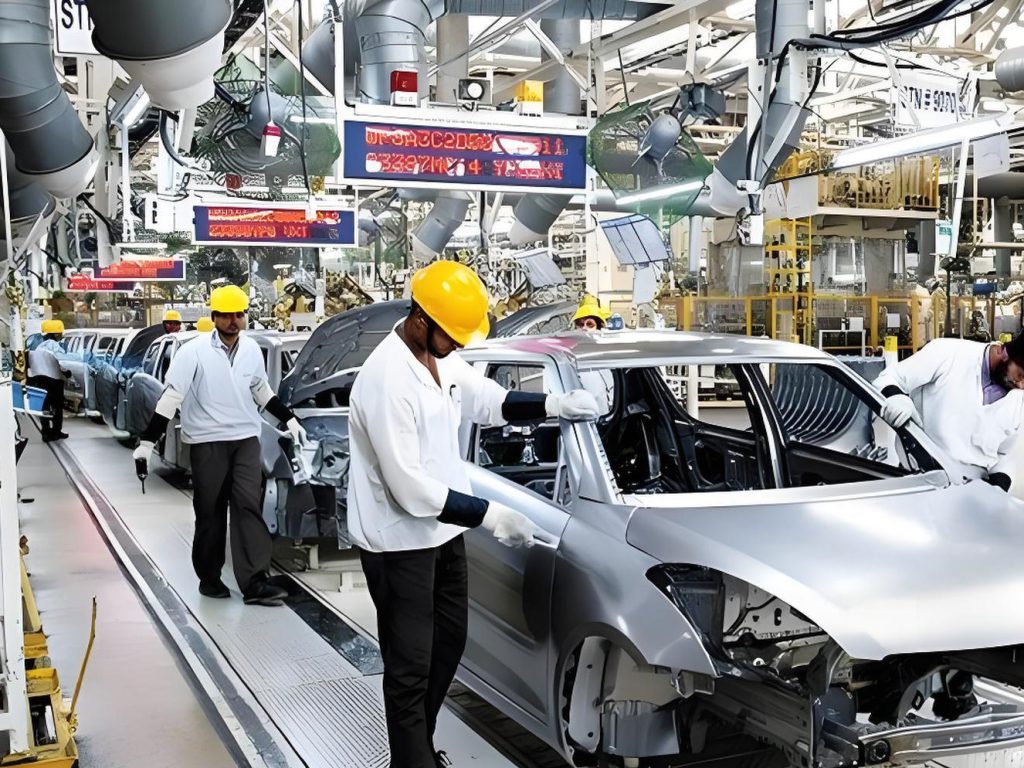
Studies estimate that self-sufficiency is below 40%.
Key products include:
These products remain heavily import-dependent.
This gap constrains upgrades in automobiles, machinery, and power equipment.
It also affects water storage and supply equipment, which are closely linked to public infrastructure.
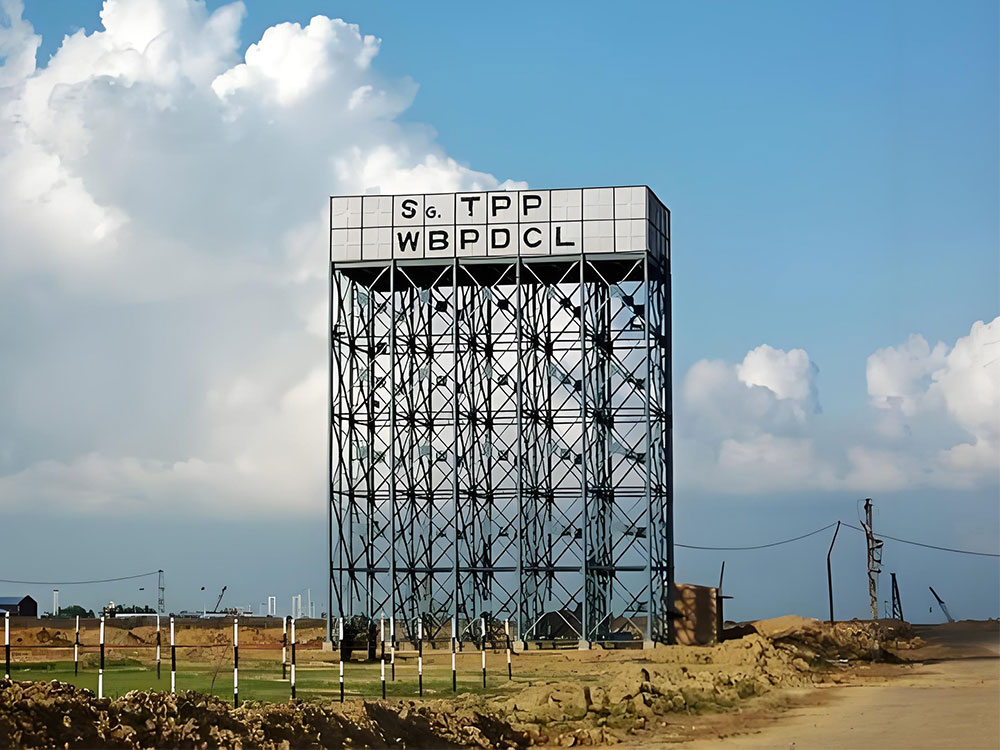
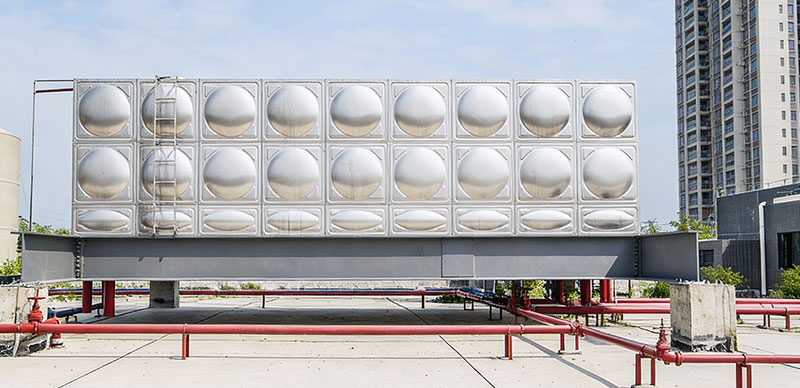
Stainless steel water tanks are mainly used in:
The market size remains limited.
Core materials such as 304 and 316 stainless steel sheets are mostly imported.
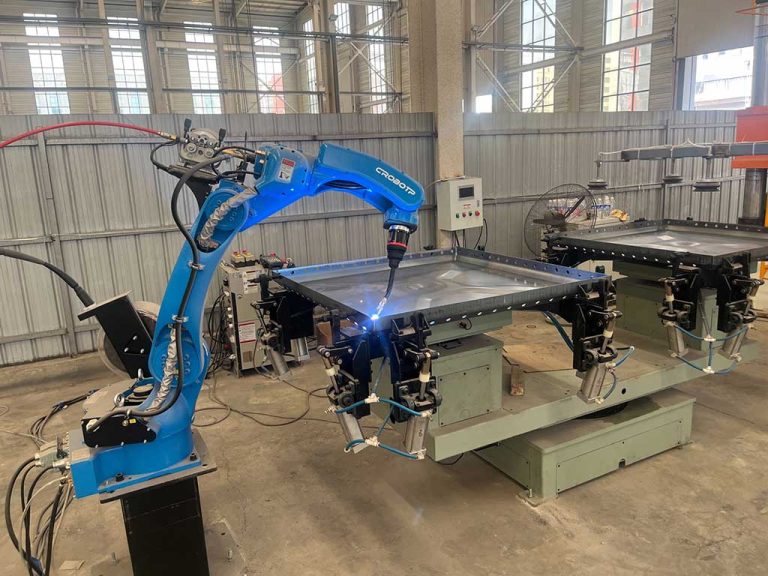
Local companies focus on welding and assembly.
Demand is growing at a medium-to-high rate.
Drivers include urban income growth and higher hygiene standards.
However, cost and supply stability remain key constraints.
Galvanized steel tanks are widely used in:
Key advantages include:
However, limited coating quality affects durability.
Water safety issues remain in some applications.

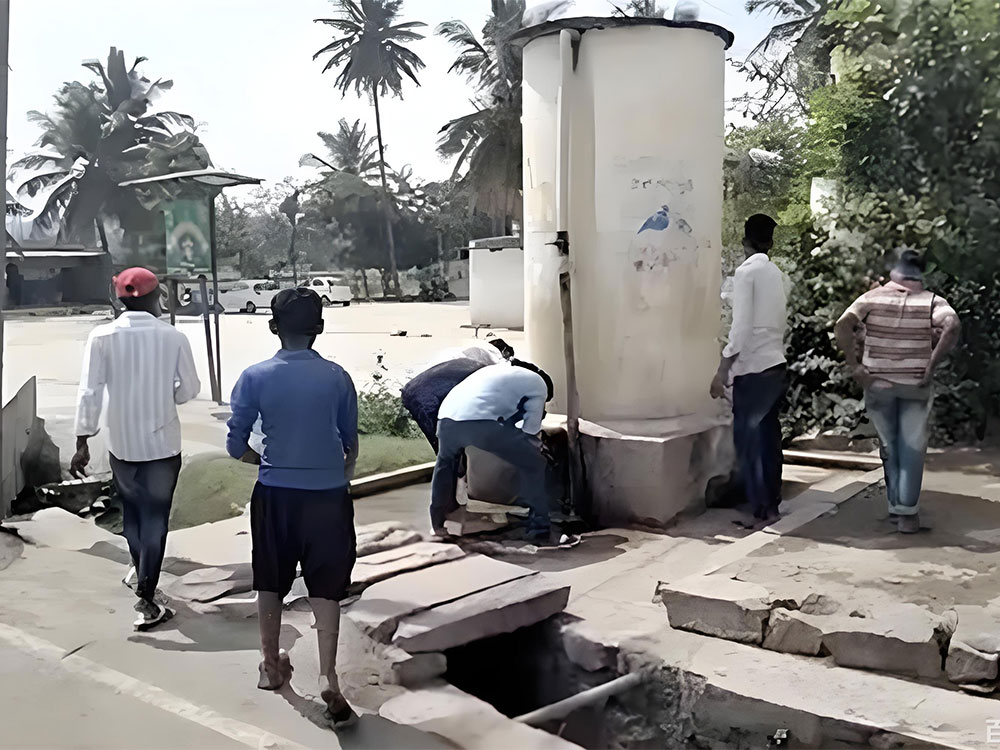
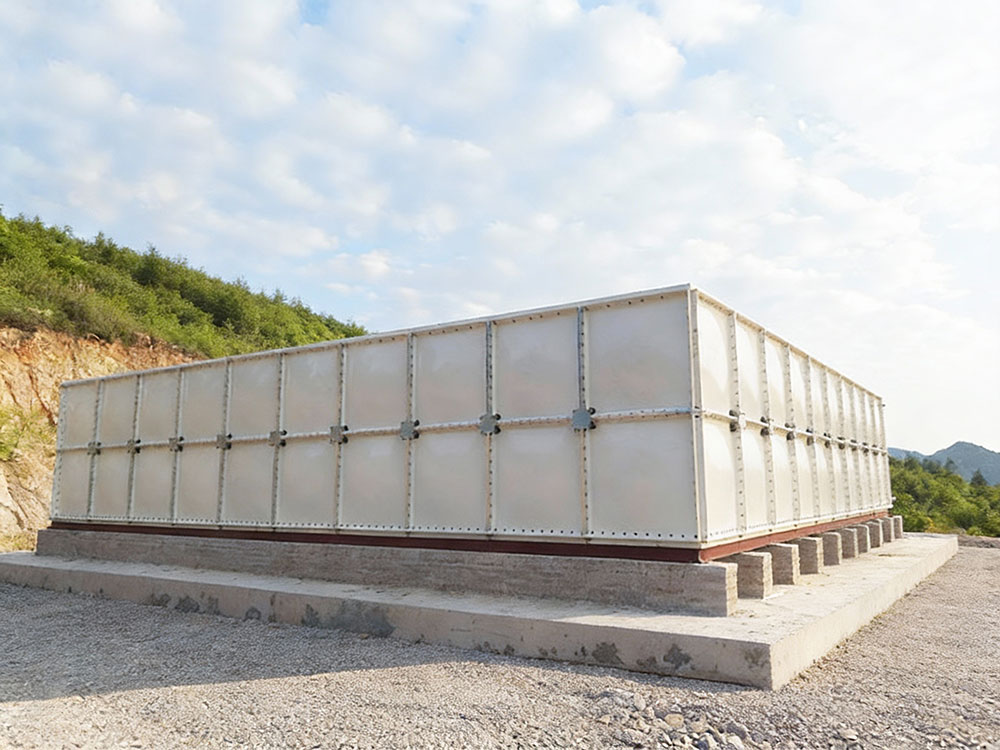
FRP water tanks are common in:
Key advantages:
Limitations include:
They are less suitable for high-end and industrial use.
Urban water supply faces persistent issues:
As a result, almost all urban buildings use water tanks.
Water storage is essential, not optional.
Water demand is increasing with urbanization and manufacturing growth.
Key sectors include:
These sectors require:
This supports demand for high-performance water tanks.