Email: info@oudreywatertank.com
Whatsup: +86159 1014 5521
On December 26, 2025, Brazil’s Secretariat of Foreign Trade (Secretaria de Comércio Exterior, SECEX) published Circular No. 100 of 2025 in the Official Gazette.
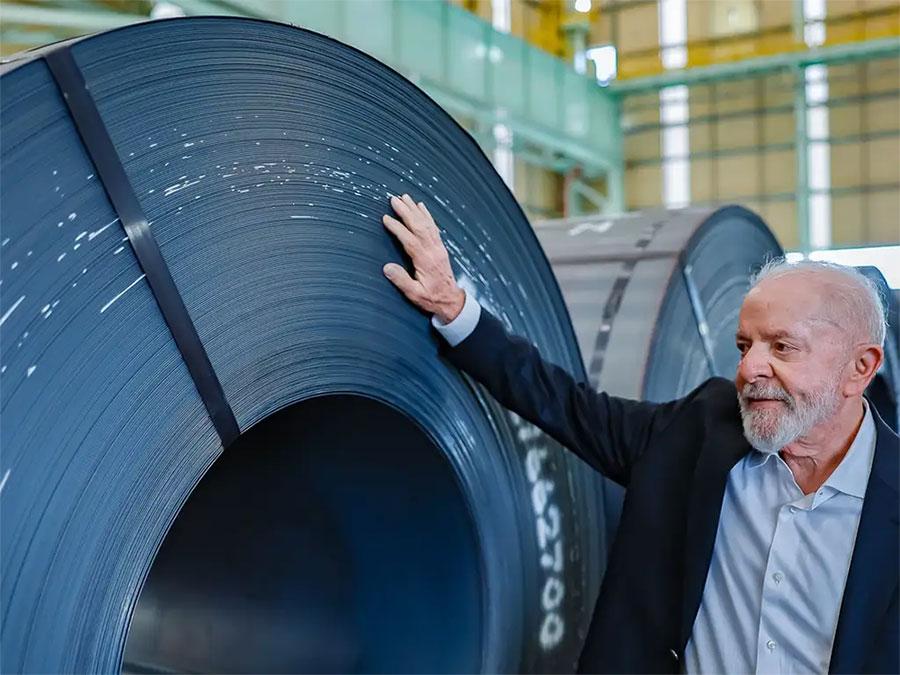
On December 26, 2025, Brazil’s Secretariat of Foreign Trade (Secretaria de Comércio Exterior, SECEX) published Circular No. 100 of 2025 in the Official Gazette.
The notice issued an affirmative preliminary anti-dumping determination on hot-rolled steel coils originating from China (Laminados a quente).
No provisional anti-dumping measures were imposed at the preliminary stage.
The products under investigation mainly include carbon steel and alloy steel hot-rolled coils.
The involved MERCOSUR tariff codes are:
7208.10.00, 7208.25.00, 7208.26.10, 7208.26.90, 7208.27.10, 7208.27.90,
7208.36.10, 7208.36.90, 7208.37.00, 7208.38.10, 7208.38.90,
7208.39.10, 7208.39.90, 7208.40.00, 7208.53.00, 7208.54.00,
7208.90.00, 7211.13.00, 7211.14.00, 7211.19.00, 7211.90.10,
7211.90.90, 7225.30.00, 7225.40.90, and 7226.91.00.
The full notice is available on the Brazilian Official Gazette website.
Contact details of the Brazilian investigating authority are as follows:
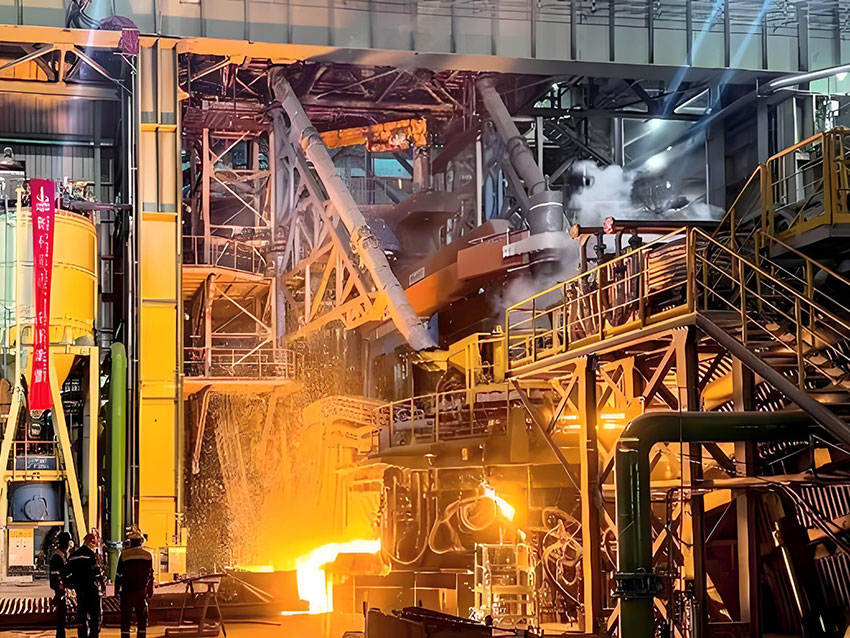
Although the case targets hot-rolled steel coils and no provisional measures were applied, it sends a clear signal.
Brazil is strengthening trade remedy scrutiny on imported steel raw materials.
The possibility of definitive anti-dumping measures cannot be ruled out.
From an industrial chain perspective, the impact mainly affects:
This context provides an important reference for assessing market access conditions for stainless steel fabricated products and equipment in Brazil.
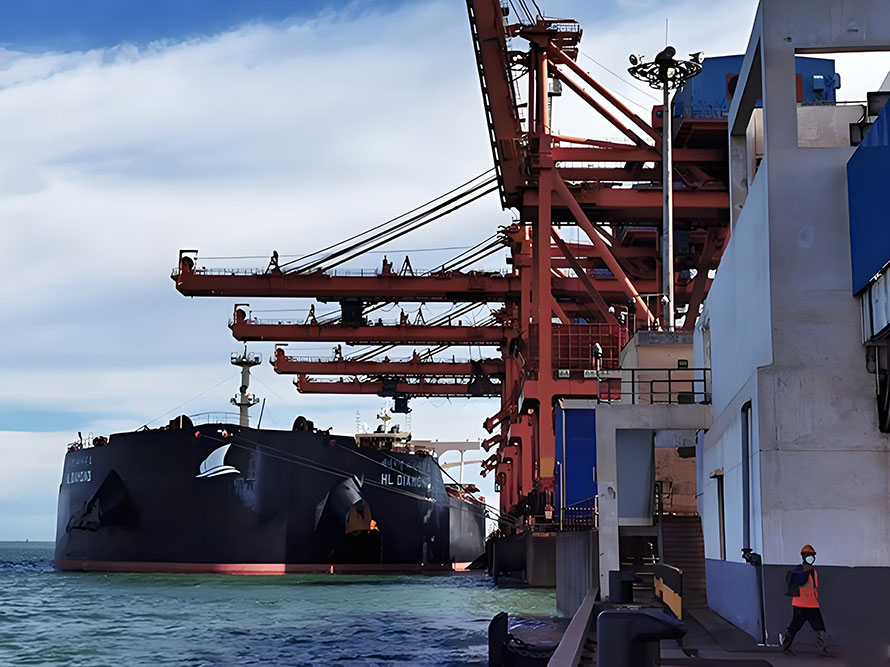
📌 The Brazilian water storage tank market shows a clear growth trend.
Market research data indicate that the Brazilian vertical storage tank market reached approximately USD 178.9 million in 2024.
It is expected to grow to about USD 296.4 million by 2030.
The estimated CAGR for 2025–2030 is around 9.2%.
This market includes industrial, municipal, water utility, and residential storage tanks of various capacities.
📌 Although the data do not separately identify stainless steel water tanks, steel and water-treatment-related segments maintain relatively high growth rates in Latin America.
This provides a favorable demand environment for stainless steel fabricated products.
📌 Brazil’s stainless steel market, including plates, bars, and sections, was valued at approximately USD 1.193 billion in 2024.
It is projected to reach USD 1.58 billion by 2030.
The CAGR for 2025–2030 is estimated at 4.8%.
The 300-series stainless steel accounts for the largest share.
➡️ Implication:
As the core raw material, stainless steel market growth supports supply stability and pricing trends for stainless steel water tanks.
It also indicates a sustainable upstream industrial base.
📌 The global stainless steel water tank market was valued at approximately USD 1.5 billion in 2024.
It is expected to grow to around USD 2.8 billion by 2033.
The estimated CAGR for 2026–2033 is 7.5%.
Latin America accounts for about 5% of global demand.
📌 As the largest single market in Latin America, Brazil plays a key role in long-term demand for water storage solutions.
This is especially true in municipal and commercial infrastructure projects.
Urban water supply and secondary storage demand
Water pressure instability is common in many Brazilian cities.
Residential and commercial buildings widely use on-site water tanks.
These include plastic, fiberglass, and stainless steel tanks.
They are used to buffer supply fluctuations and outages.
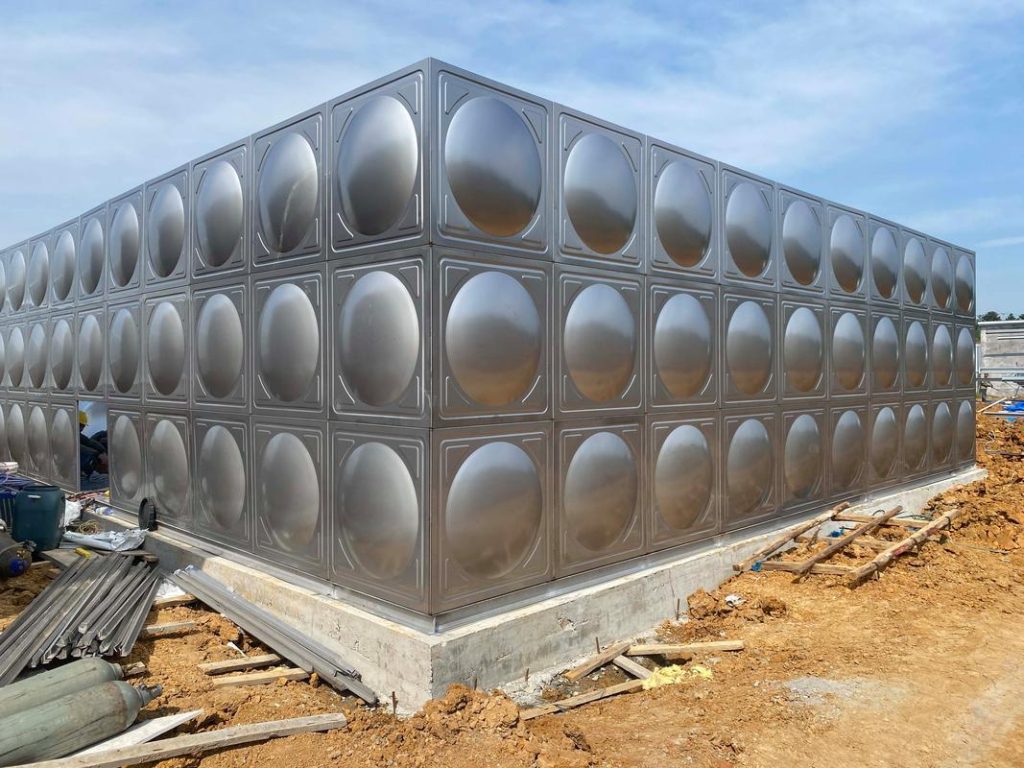
Stainless steel tanks are preferred in high-end housing, high-rise buildings, and industrial facilities.
Key reasons include corrosion resistance, hygiene performance, and standardization.
Industrial and high-hygiene sectors
Demand is rising in food and beverage, pharmaceutical, and chemical industries.
These sectors require hygienic water storage solutions.
Stainless steel tanks are increasingly adopted.
Higher food safety and hygiene regulations further support penetration.
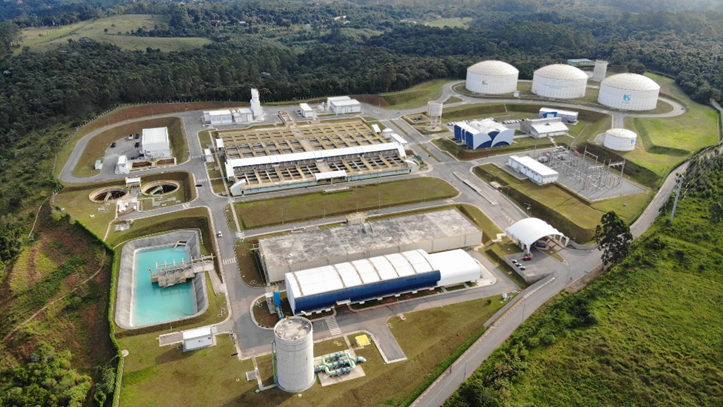
Municipal infrastructure and urbanization investment
Demand is growing in water reuse, resource management, and fire protection systems.
Medium and large infrastructure projects show stronger preference for stainless steel tanks.
Brazil remains the largest single market for water storage and tank systems in Latin America.
The market is expected to maintain steady growth over the next five to ten years.
It represents a key part of the broader water storage equipment market.
Stainless steel water tanks are a high value-added niche product.
They offer clear performance and quality advantages in municipal and industrial applications.
Their penetration rate is expected to increase with industrial upgrading.
Growth trends in Brazil’s stainless steel and water tank markets provide quantitative support for export strategy planning.