Email: info@oudreywatertank.com
Whatsup: +86159 1014 5521
Global stainless steel market sees fluctuation due to demand-supply imbalance and rising raw material costs, while stainless steel water tank demand grows due to sustainability trends.
Entering the second week of January 2026, the global stainless steel market continues to experience fluctuations. The demand-supply imbalance, raw material price volatility, and the economic policies of various countries have significantly impacted stainless steel prices and industry sentiment. Additionally, the stainless steel water tank market, as an important application of stainless steel, is seeing new growth driven by changes in market demand.
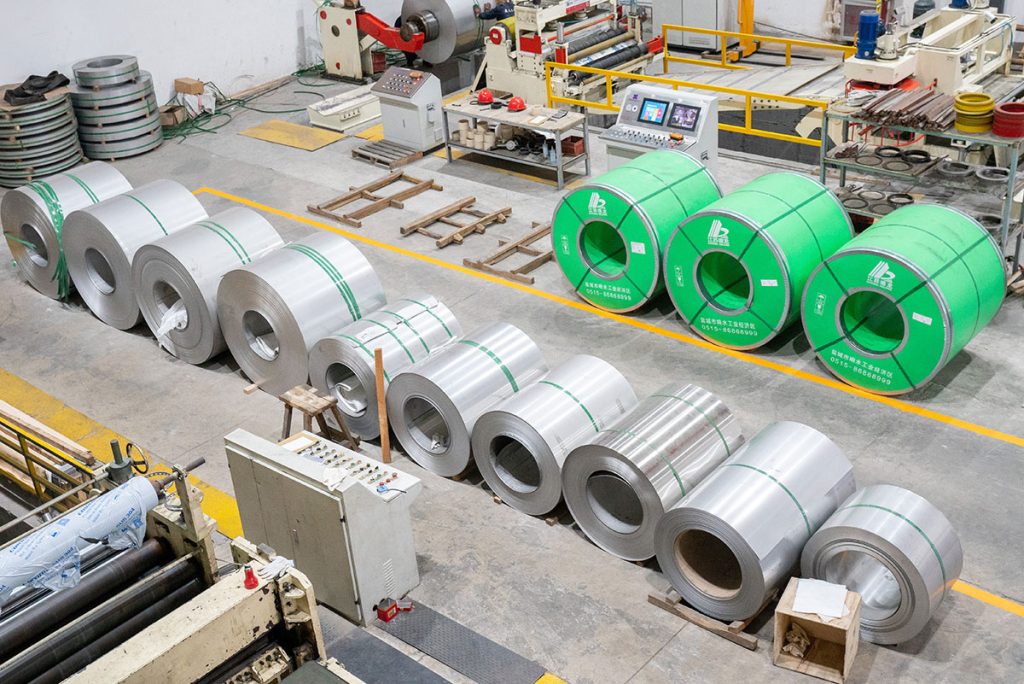
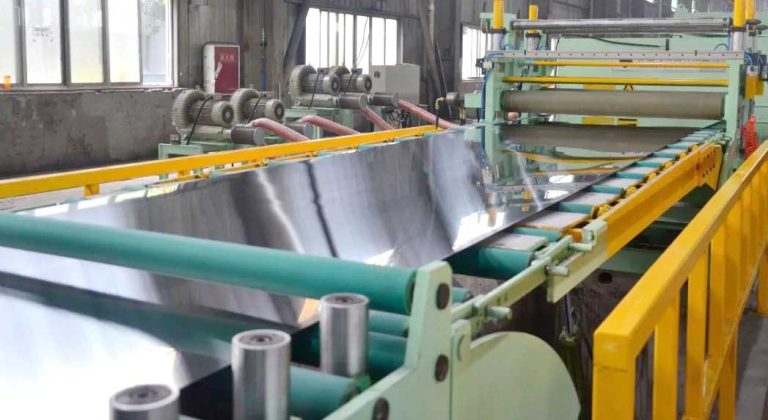
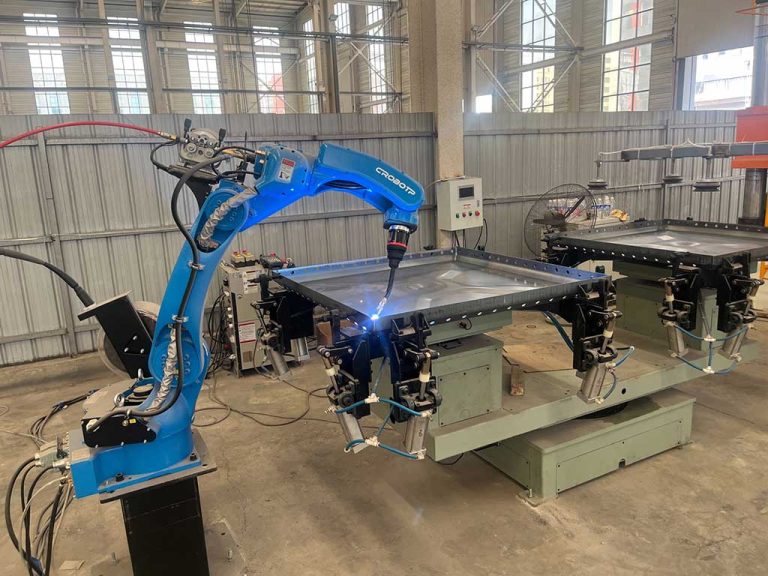
The Chinese stainless steel market has shown signs of recovery in recent weeks. According to data from the China Iron and Steel Association (CISA), domestic demand for stainless steel has increased, particularly in the construction, automotive, and home appliance sectors, which has led to a slight price increase in the short term. In January 2026, the ex-factory price for hot-rolled stainless steel in China was around ¥21,500 per ton, slightly higher compared to the same period last year. However, the domestic market still faces significant challenges, especially with the rising raw material costs and tightening environmental policies, which could constrain overall market growth.
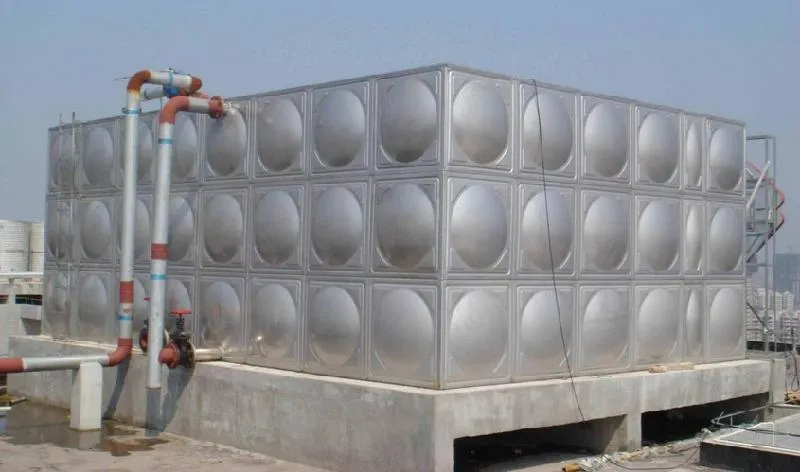
In terms of applications, the demand for stainless steel water tanks in China is gradually increasing. With the accelerating urbanization process, the demand for stainless steel water tanks in construction projects is steadily growing. Stainless steel water tanks, known for their corrosion resistance, antibacterial properties, and longer lifespan, are increasingly replacing traditional plastic tanks, particularly in high-end residential areas, commercial buildings, and urban developments.
Unlike the Asian market, demand growth in Europe has significantly slowed. Due to uneven global economic recovery, manufacturing growth in Europe has been weak, which has directly affected stainless steel prices. Stainless steel hot-rolled product prices in Europe have shown a slight decline this week, currently around €2,700 per ton, a drop from the end of 2025.
In Europe, as energy-saving and environmental policies become stricter and the demand for sustainable materials increases, the demand for stainless steel water tanks is becoming a growing trend. In regions with strict environmental regulations, such as Scandinavia and Germany, the demand for stainless steel water tanks is rising. Due to their resistance to oxidation and hygiene benefits, stainless steel water tanks are becoming increasingly popular in residential and commercial buildings, especially in the healthcare, hospitality, and public sectors.
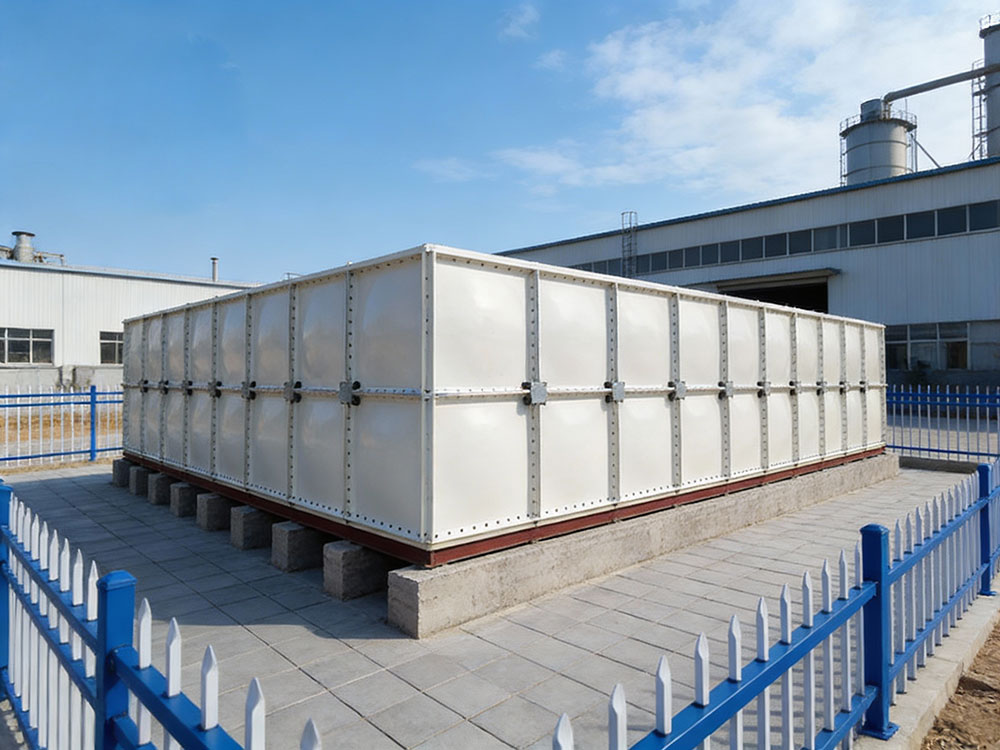
In the North American market, demand remains stable with slight growth. U.S. stainless steel manufacturers continue to benefit from strong demand in the construction and automotive sectors. As of January 2026, stainless steel prices in North America are about $2,600 per ton, remaining steady from late 2025. However, producers are still facing cost pressures due to the volatility in key raw material prices like nickel.
In North America, the demand for stainless steel water tanks is also increasing in industrial, commercial, and residential applications. As traditional water heaters and tanks face issues such as corrosion and contamination, the advantages of stainless steel water tanks are becoming more apparent. Many households in the U.S. and Canada are opting for stainless steel tanks, especially in areas with hard water, where the corrosion resistance of stainless steel is highly valued.
This week, the price trends in the stainless steel market are closely related to fluctuations in the raw material markets, particularly nickel and chromium, which are key materials in stainless steel production. Recently, global nickel prices have shown a slight upward trend, putting pressure on stainless steel manufacturers, particularly those producing stainless steel water tanks.
Nickel, a key alloy element in stainless steel production, has seen a price increase in the past two weeks. According to data from the London Metal Exchange (LME), the price of nickel surpassed $23,500 per ton in early January 2026, up about 6% from the end of 2025. The rise in nickel prices is primarily due to fluctuations in nickel production from countries like Indonesia and the Philippines, as well as increased demand from the electric vehicle (EV) industry.
For stainless steel water tank manufacturers, the rise in nickel prices directly increases production costs. Since the corrosion resistance and antibacterial properties of stainless steel water tanks heavily depend on high-quality alloy steels, the increase in nickel prices may force manufacturers to raise water tank prices, which could affect market demand.
In contrast to nickel, chromium and iron ore prices have remained relatively stable recently. Chromium, another crucial alloy element in stainless steel production, has seen minimal price changes despite some regional supply challenges. According to market reports, the price of chromium remains around $15,000 per ton, with little change from the end of 2025.
The iron ore market, influenced by fluctuations in China’s steel production, has remained stable with sufficient supply. Iron ore prices have been relatively flat this week, remaining around $120 per ton, providing some cost relief for stainless steel manufacturers.
As an important segment of the stainless steel industry, the stainless steel water tank market has been gaining attention in recent years due to increasing environmental awareness and consumers’ higher demands for water quality. Stainless steel water tanks are increasingly being used in residential, industrial, commercial, and public building applications, especially as regulations on hygiene and environmental sustainability become stricter.
With the continued growth of the global construction industry, particularly in high-end residential and commercial projects, the demand for stainless steel water tanks is steadily rising. Compared to traditional fiberglass and plastic water tanks, stainless steel water tanks, with their corrosion resistance, antibacterial properties, and longer lifespan, are gradually becoming the preferred choice for many builders and developers.
In regions such as Asia and Europe, many residential and commercial buildings have started standardizing the use of stainless steel water tanks. In Nordic countries, where water hardness and contamination are common issues, stainless steel water tanks are widely used for hot water supply systems. Additionally, in sectors like healthcare, hospitality, and public facilities, stainless steel water tanks are becoming the preferred option due to their hygiene, environmental benefits, and recyclability.
As consumers increasingly demand healthier and safer products, technological innovations and design improvements in stainless steel water tanks are evolving. Many manufacturers are focusing on product smartness and energy efficiency. For example, stainless steel water tanks are now equipped with intelligent temperature control systems to maintain optimal water temperatures. Some high-end models have adopted double-layer insulation designs, further enhancing energy efficiency and reducing heat loss.
In addition to functional upgrades, more and more manufacturers are focusing on the aesthetics and integration of stainless steel water tanks to meet the demands of modern architecture. Especially in the high-end residential market, uniquely designed and stylish stainless steel water tanks are becoming a key element of home décor.
As an important application segment of the stainless steel industry, the stainless steel water tank market is expected to continue growing over the next few years. With stricter environmental regulations and rising consumer awareness of water quality, the market for stainless steel water tanks will expand further.
In the coming years, the demand for stainless steel water tanks in construction, industrial, and commercial applications is expected to grow further. Particularly in countries and regions with stricter environmental regulations and higher water quality standards, government policies promoting water safety and resource conservation will drive the expansion of the stainless steel water tank market. As consumers demand higher product quality and safer options, the demand for high-performance stainless steel water tanks will continue to rise.
Technological innovation will play a critical role in the development of the stainless steel water tank market. From energy-saving designs to smart features, future stainless steel water tanks will increasingly align with sustainable development trends. As green building practices and low-carbon living gain traction, manufacturers must invest in environmentally friendly production techniques and recycling practices to enhance the competitiveness of stainless steel water tanks in the market.
At the start of 2026, the international stainless steel industry is facing multiple challenges such as price fluctuations, policy adjustments, and environmental pressures. However, the stainless steel water tank market is showing strong growth potential. As global awareness of environmental protection, hygiene, and energy efficiency increases, stainless steel water tanks are becoming an increasingly important segment of the stainless steel industry. With continued technological innovation and a focus on sustainability, stainless steel water tanks will play a significant role in the future of the industry