Email: info@oudreywatertank.com
Whatsup: +86159 1014 5521
Stainless steel tanks are durable and hygienic; fiberglass tanks are lightweight and low-cost. Choose by water quality, environment...
In building water supply, industrial production, medical water use, agricultural irrigation, and public facilities, the choice of water tank material directly determines performance, service life, and long-term maintenance costs. Common water tank materials include stainless steel, hot-dip galvanized steel, and fiberglass, and selection should be based on the actual usage environment.
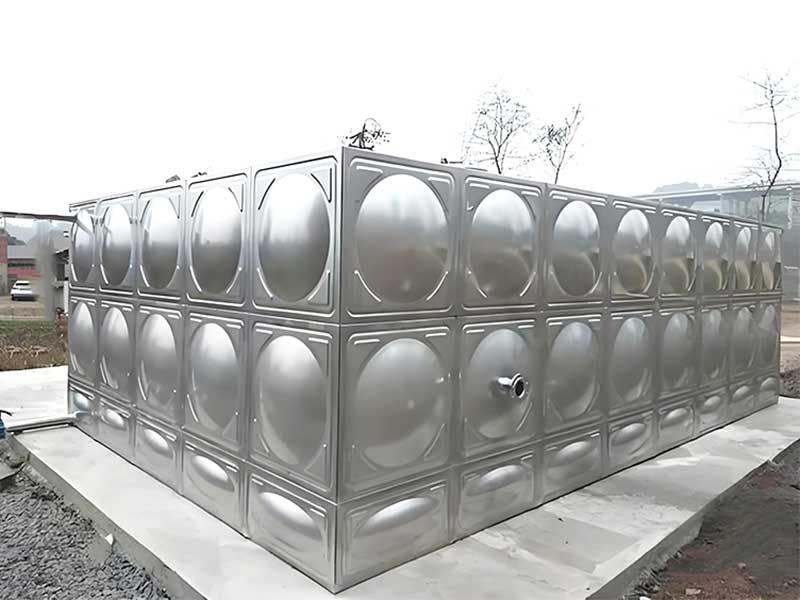
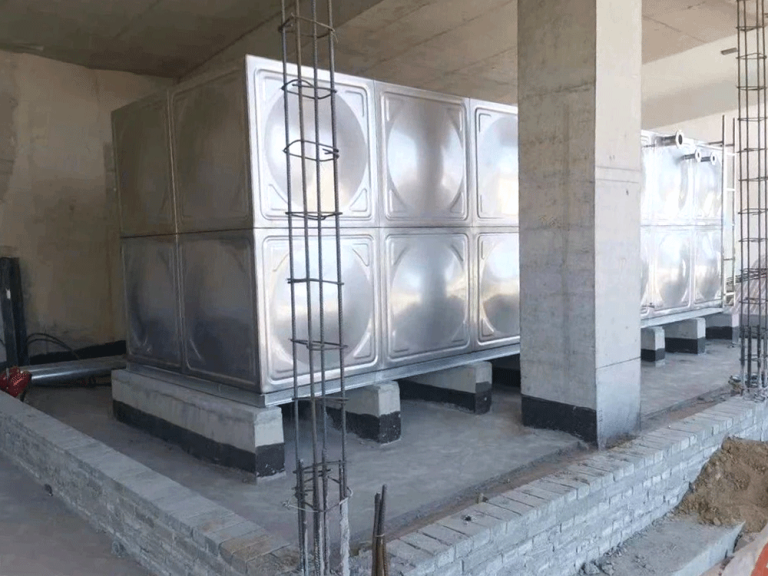
Stainless Steel Water Tanks are mainly made of 304 or 316L stainless steel, featuring high strength, impact resistance, and deformation resistance. 316L stainless steel contains molybdenum, which effectively resists chloride ions and other strong corrosive media, making it suitable for areas with poor water quality or complex environments. Its surface is smooth and non-porous, resistant to bacterial growth, and can be disinfected at high temperatures, making it ideal for storing purified water and food-grade water. It has stable long-term performance and a long service life.
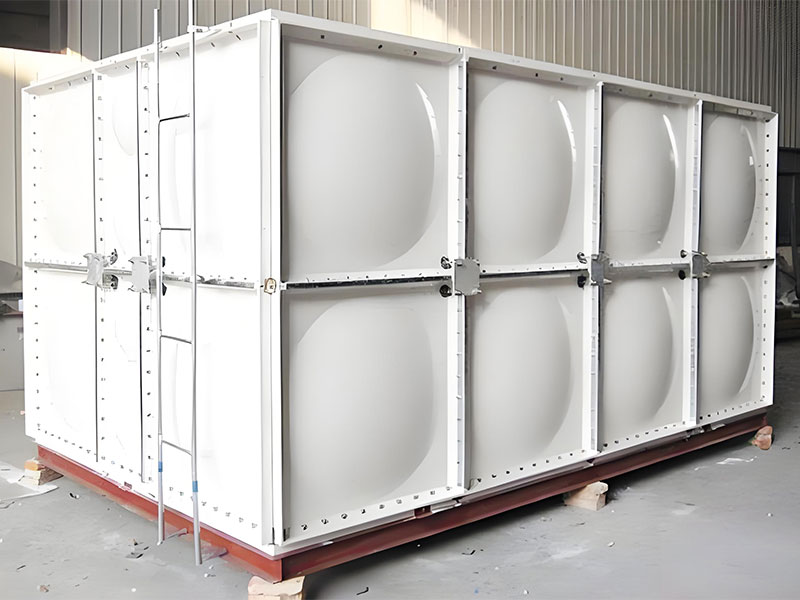
Fiberglass Water Tanks are made of corrosion-resistant resin materials, capable of resisting acids, alkalis, and salts, but may age when exposed to certain solvents. They are lightweight and easy to transport and install, but have lower strength and are prone to cracking under external force. Over long-term use, material performance gradually declines, requiring regular inspection and maintenance.
| Feature | Stainless Steel Tank | Fiberglass Tank |
|---|---|---|
| Strength | High tensile strength of 304 stainless steel; strong impact and deformation resistance | Lower strength; prone to cracking under external force |
| Corrosion Resistance | 316L stainless steel with molybdenum resists chloride and other strong corrosive media; suitable for poor water quality areas | Resistant to acids, alkalis, and salts, but may age under certain solvents; generally suitable for ambient temperature water |
| Hygiene & Safety | Smooth, non-porous surface; resists bacterial growth; suitable for high-temperature disinfection and purified water | May develop micro-cracks or aging fissures; mainly for non-potable water |
| Service Life | Long-term stable performance | Performance declines after aging |
Stainless steel tanks are suitable for locations with high water quality requirements, such as large hotels, hospitals, food processing plants, and high-temperature, high-flow water supply systems. Fiberglass tanks are suitable for mining, firefighting, industrial water, or non-potable water storage, where water quality is less critical and cost sensitivity is higher.
| Application | Stainless Steel Tank | Fiberglass Tank |
|---|---|---|
| Main Use | Large hotels, hospitals, food processing, and other places with high water quality requirements | Mining, firefighting, industrial water, etc. |
| Water Supply System | High-temperature, high-flow systems | Non-potable water storage |
Stainless steel tanks have superior material quality and higher cost but are simple to maintain, requiring only regular cleaning. Fiberglass tanks are relatively inexpensive but incur higher long-term maintenance costs, needing regular inspection for cracks and leaks to ensure safety.
| Item | Stainless Steel Tank | Fiberglass Tank |
|---|---|---|
| Cost | High due to superior material quality | Relatively low |
| Maintenance | Simple; regular cleaning is sufficient | Requires regular inspection of cracks and leaks; higher long-term maintenance costs |
In summary, stainless steel and fiberglass water tanks each have advantages. Stainless steel tanks are durable, hygienic, and safe, suitable for long-term use, potable water, and high-demand environments. Fiberglass tanks are lightweight and cost-effective, suitable for industrial or non-potable water storage. Material selection should consider the usage environment, budget, and water quality requirements to ensure the reliability and safety of fire protection and domestic water supply systems.