Email: info@oudreywatertank.com
Whatsup: +86159 1014 5521
Protect water tanks with the right insulation and anti-corrosion solutions for cold, coastal, humid, hot, and industrial areas.
One of the most common questions we receive from overseas customers when purchasing water tanks is: How long will the tank last? How should it be maintained? How can it be protected?
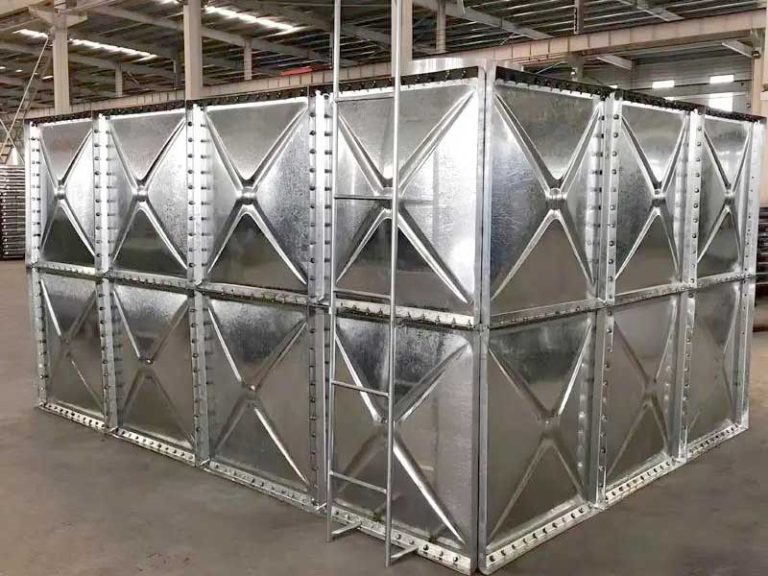
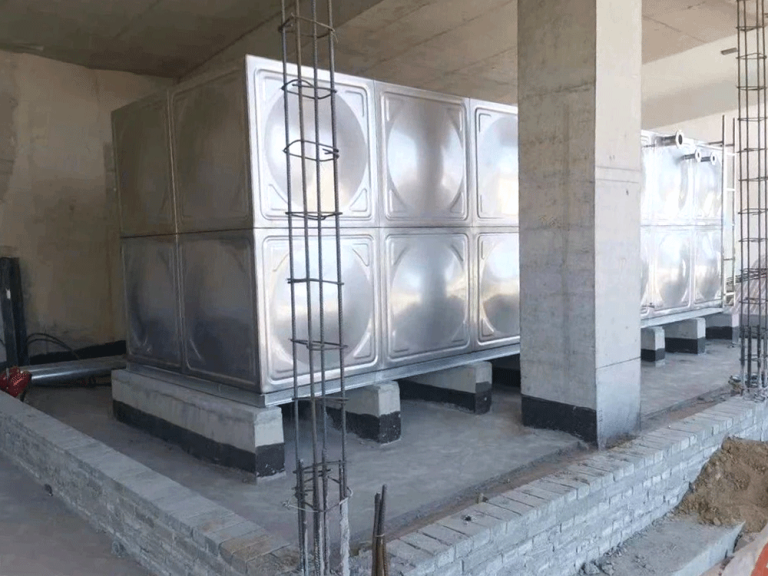
As an experienced Chinese manufacturer of modular water tanks, we specialize in producing stainless steel water tanks, hot-dip galvanized water tanks, and GRP/FRP water tanks. Our expertise goes beyond manufacturing quality products—we also help customers extend the service life of their water tanks through proper maintenance and protection. Among these measures, thermal insulation is one of the most effective ways to improve durability and performance.
See the image below:
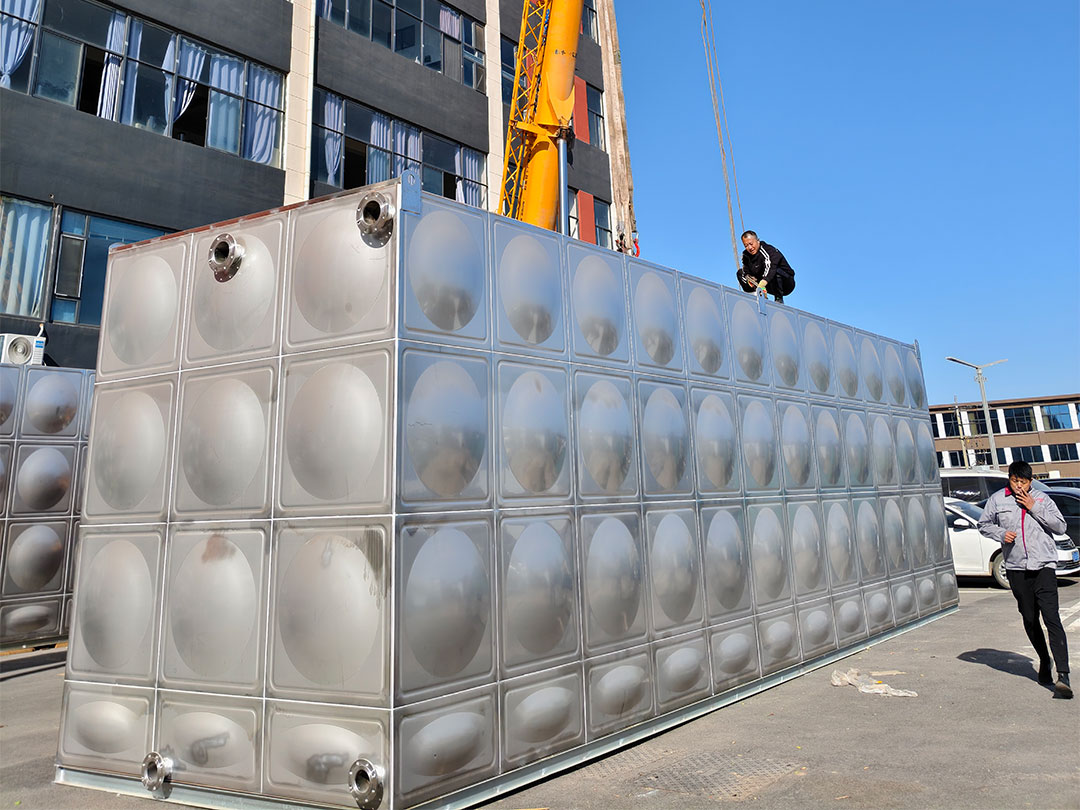
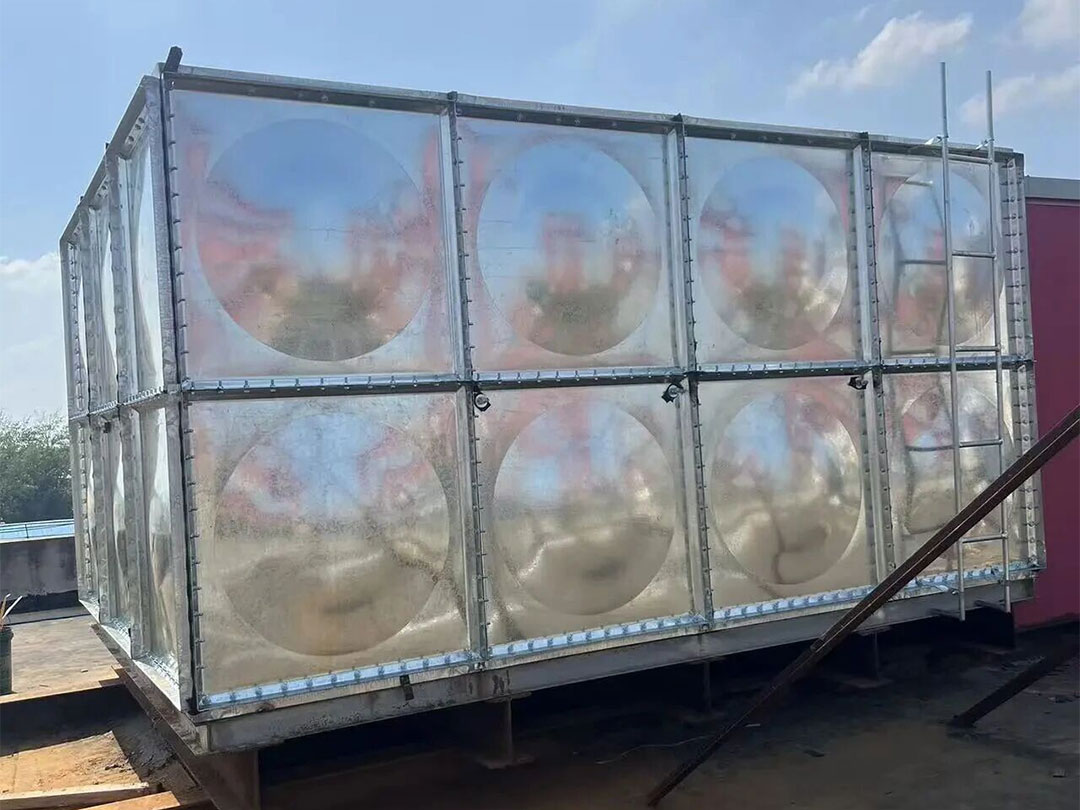
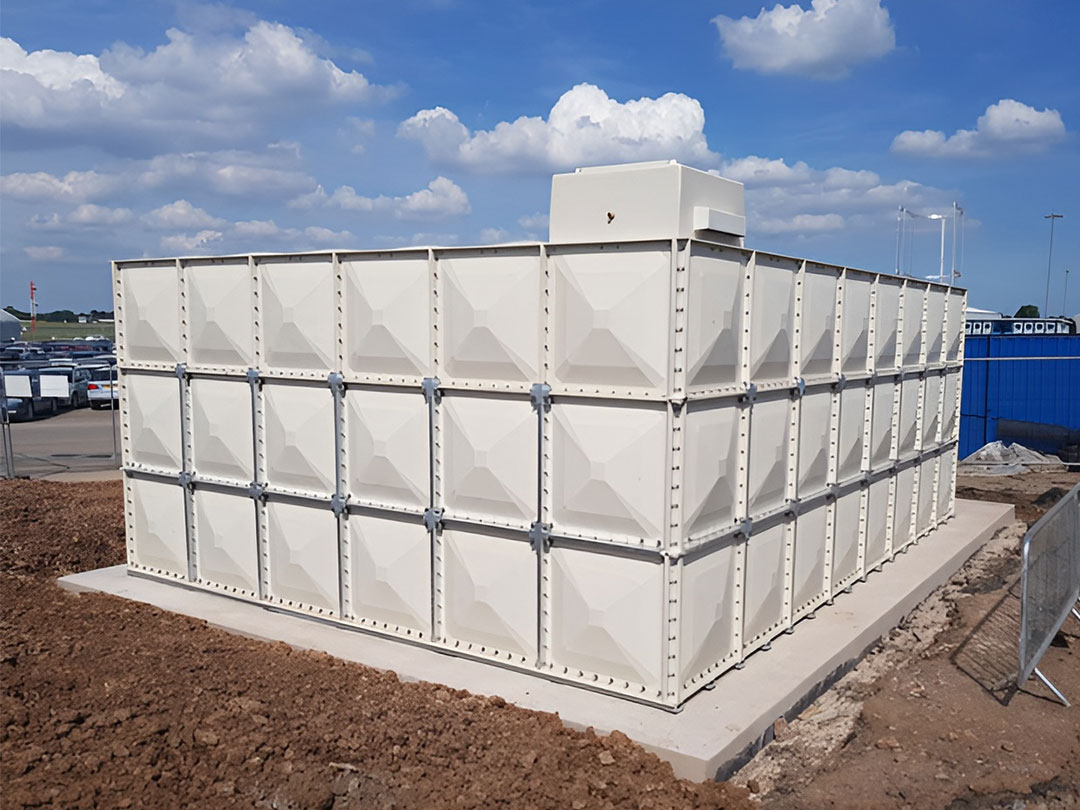
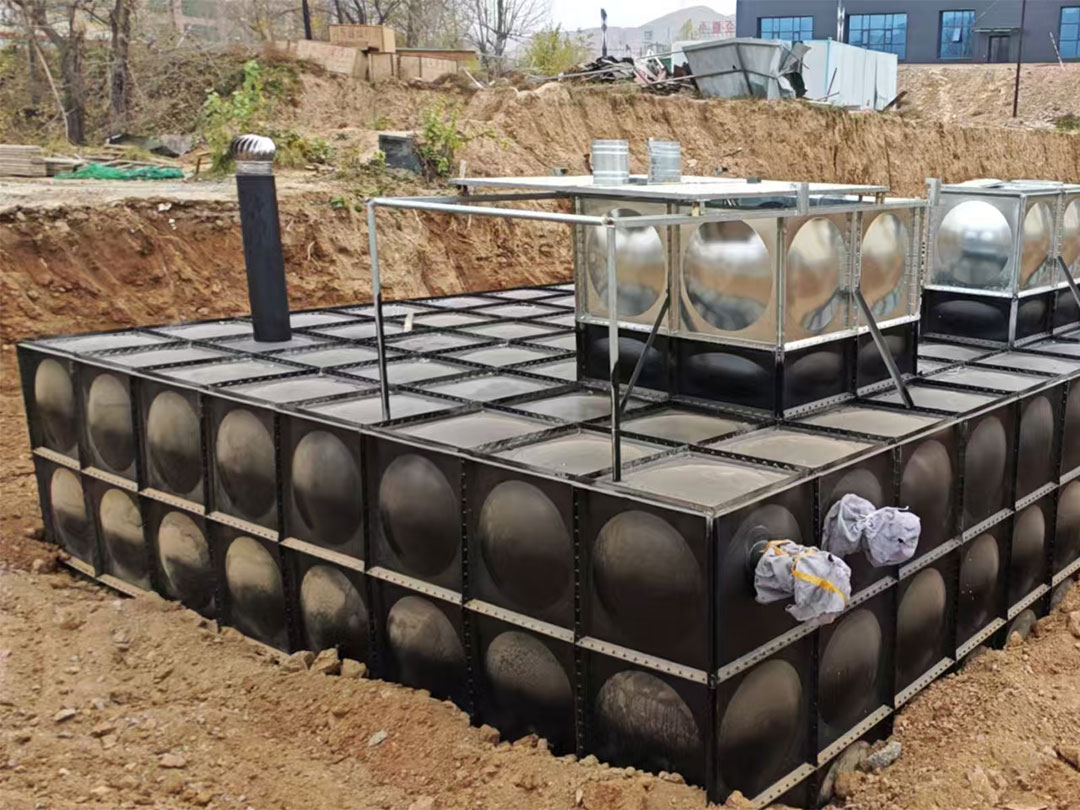
Most water tanks we encounter in daily life have smooth surfaces, exposed panels, and clearly defined structures. Since they are made of steel or other durable materials, many people assume they do not require additional protection. In many applications, this is true. However, under certain environmental conditions or functional requirements, water tanks also need an extra layer of protection.
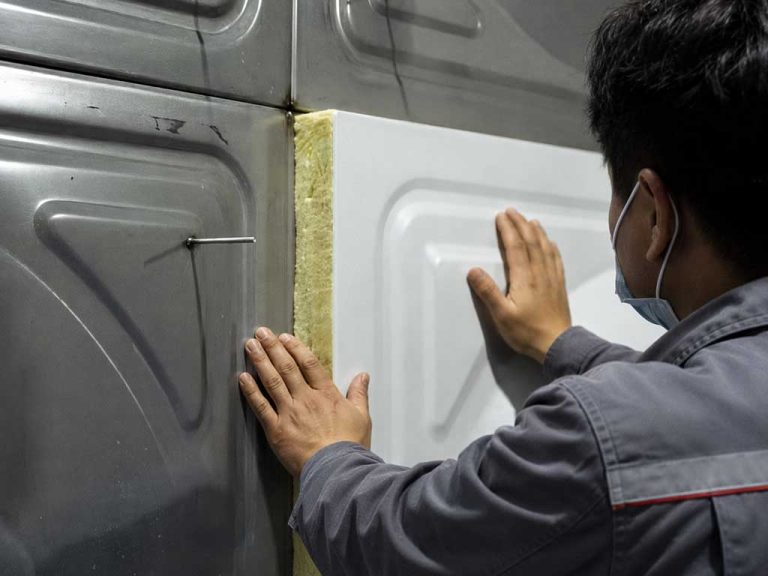
See the image below:
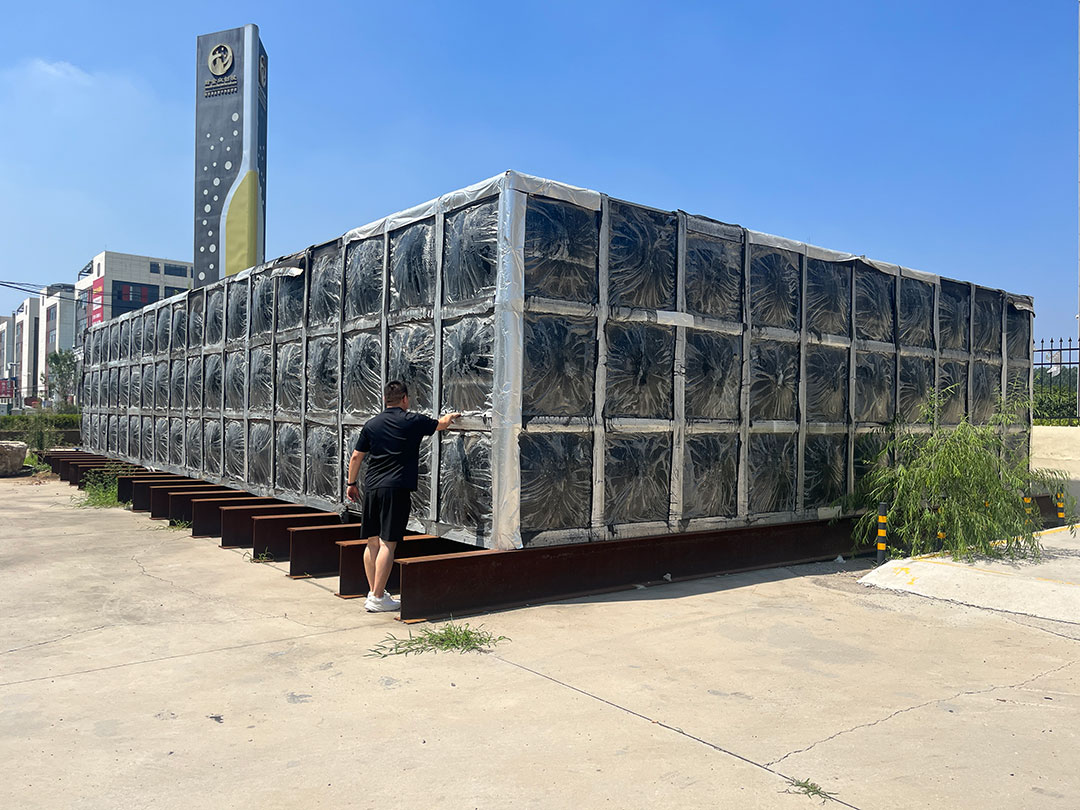
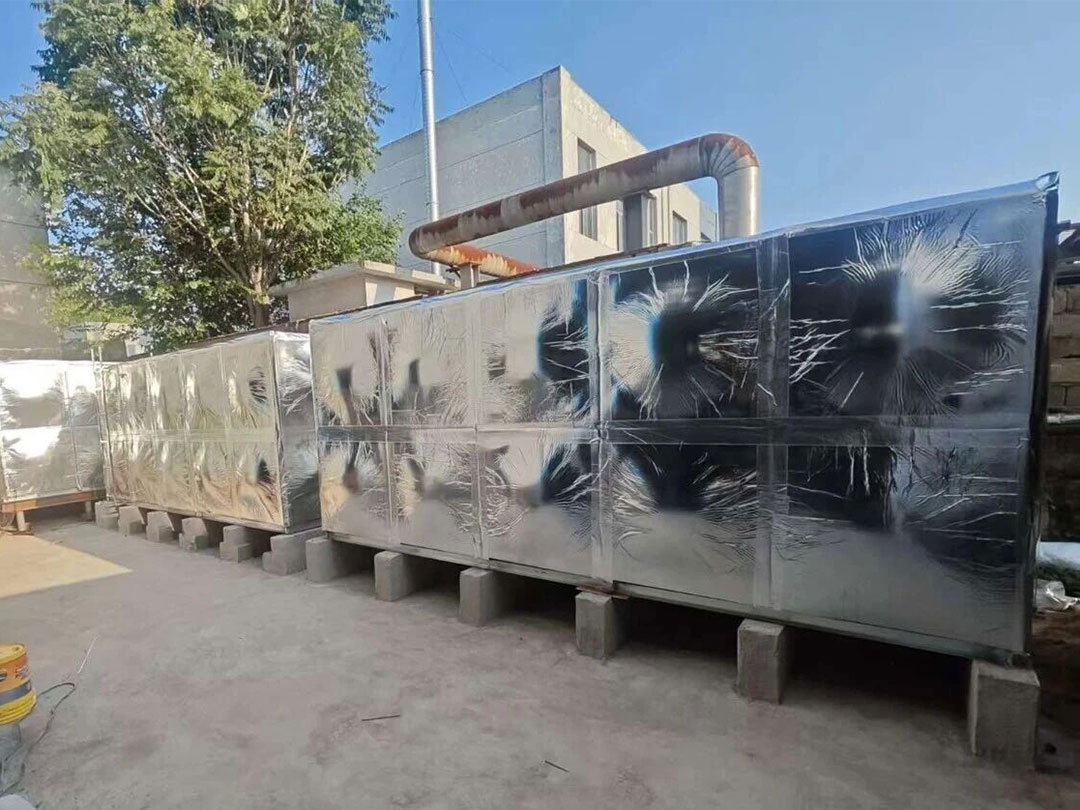
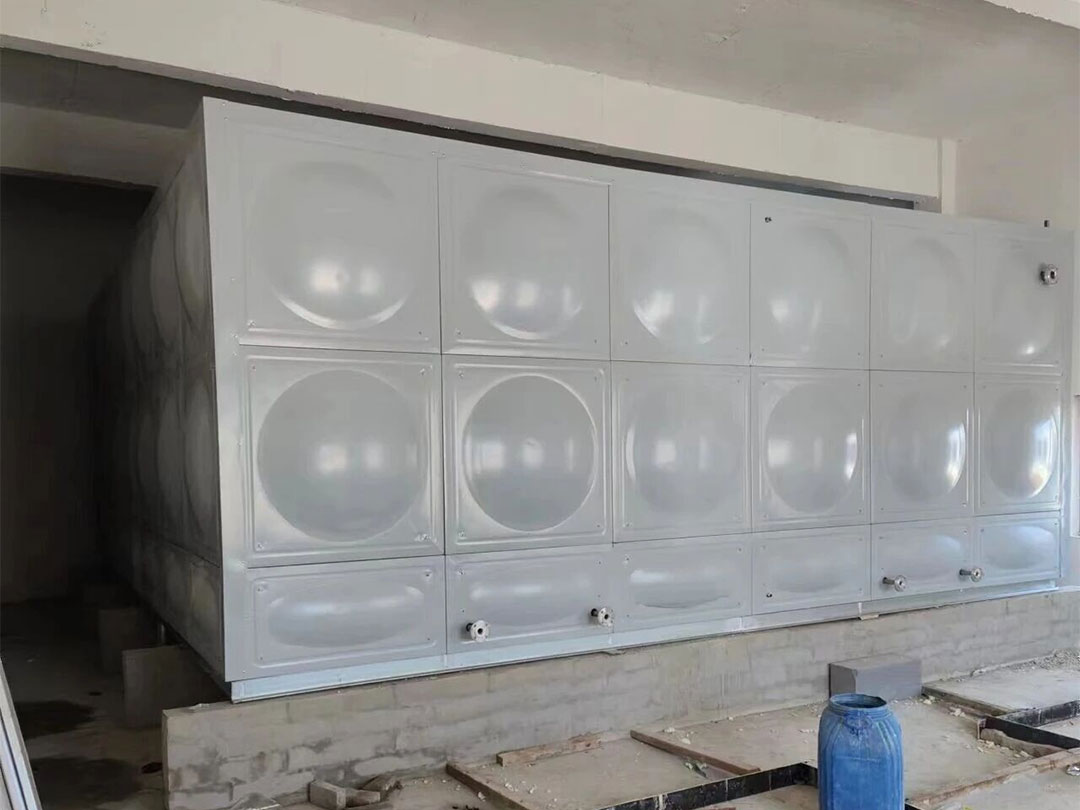
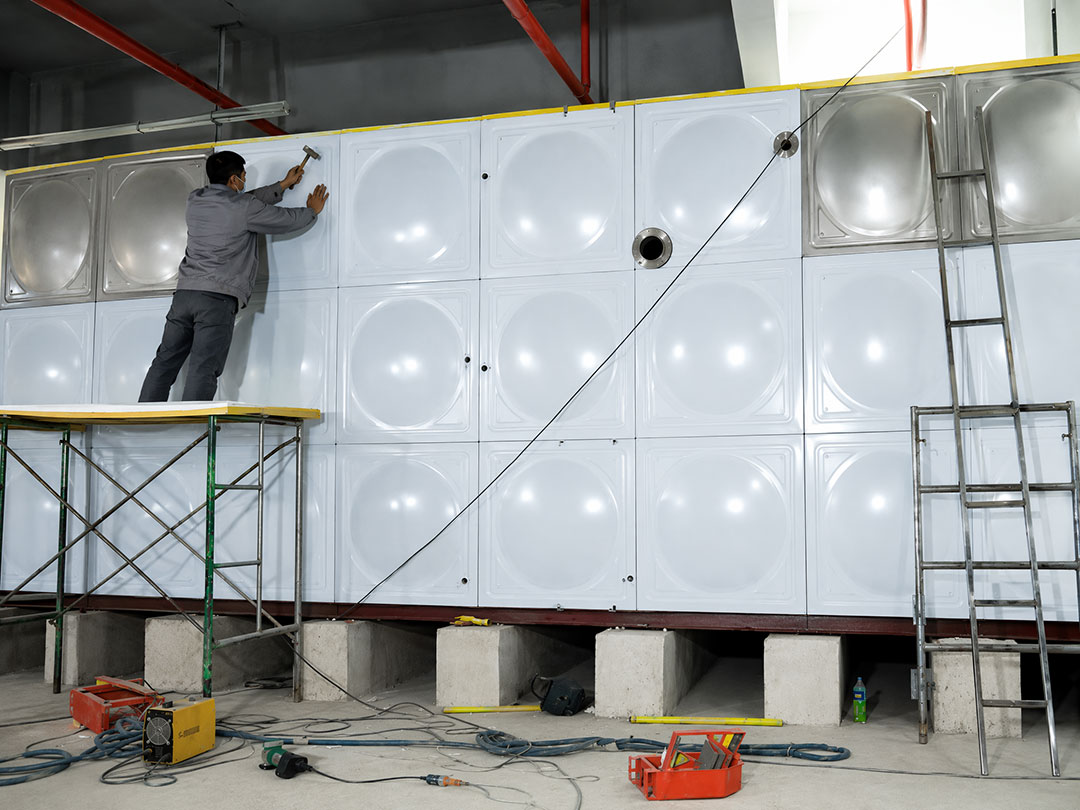
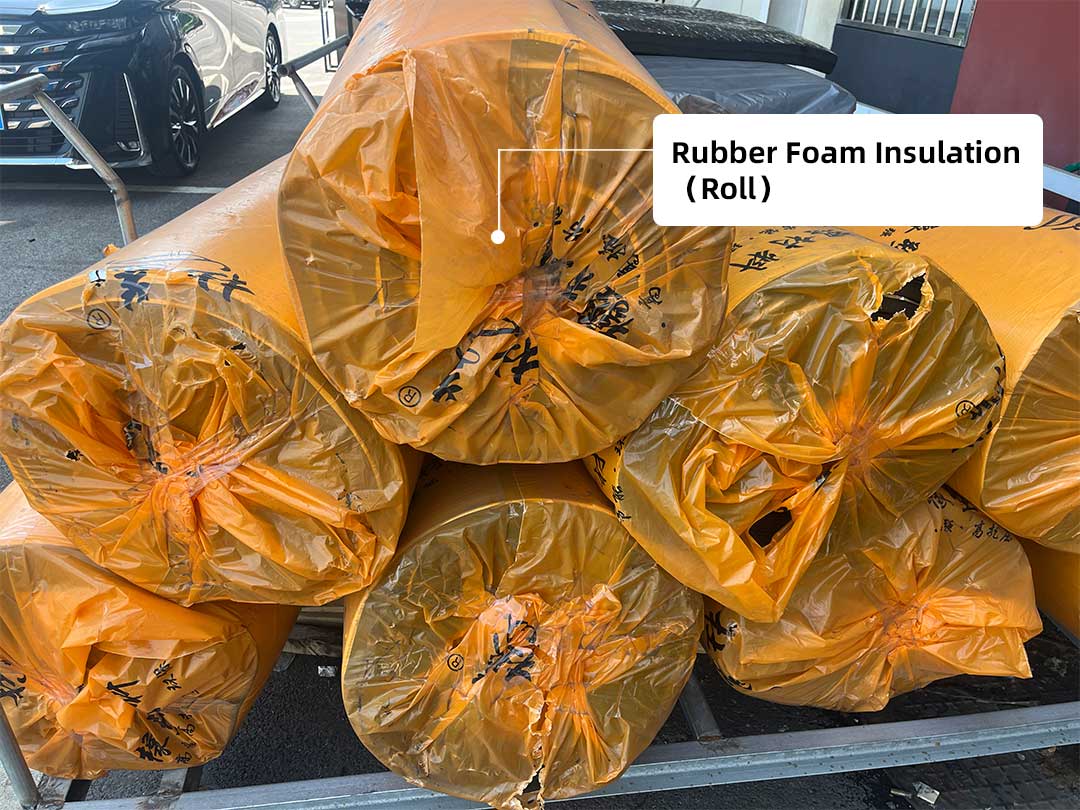
Unlike conventional water tanks, the tanks shown above are equipped with insulation systems. One is wrapped with rubber foam insulation, while the other is a stainless steel insulated water tank. Both are built by adding an insulation layer to the original tank structure, providing additional thermal protection and environmental resistance.
The following are six common scenarios where insulation and additional protection are recommended.
Many of our customers are located in Russia, Kazakhstan, Northern Europe, and other regions where winter temperatures remain below 0°C for extended periods. In these environments, water tanks require more than ordinary insulation—they must withstand extremely low temperatures.
Frozen water expands, which can deform tank panels, loosen bolts or welded joints, and eventually cause leakage. Ice formation also interrupts water supply, potentially shutting down industrial production and daily water systems.
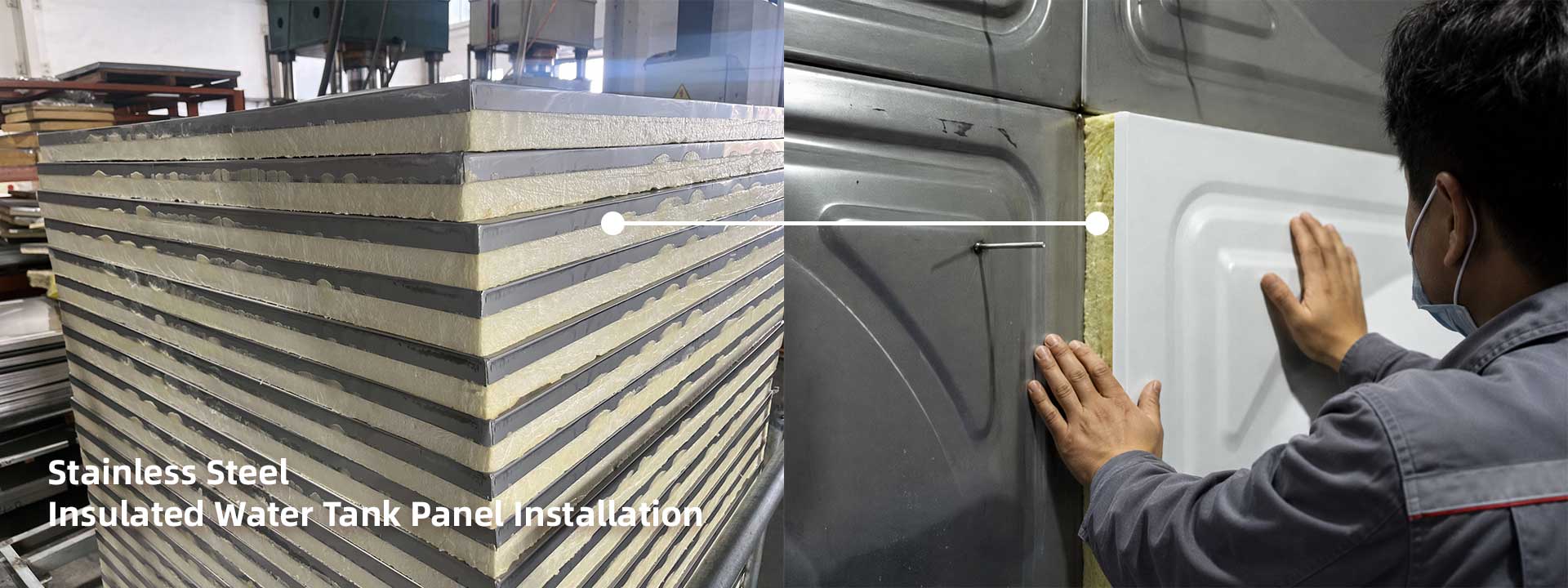
For these projects, we generally recommend polyurethane (PU) insulation combined with electric heating systems to reduce heat loss, prevent freezing, and ensure a continuous water supply during winter.
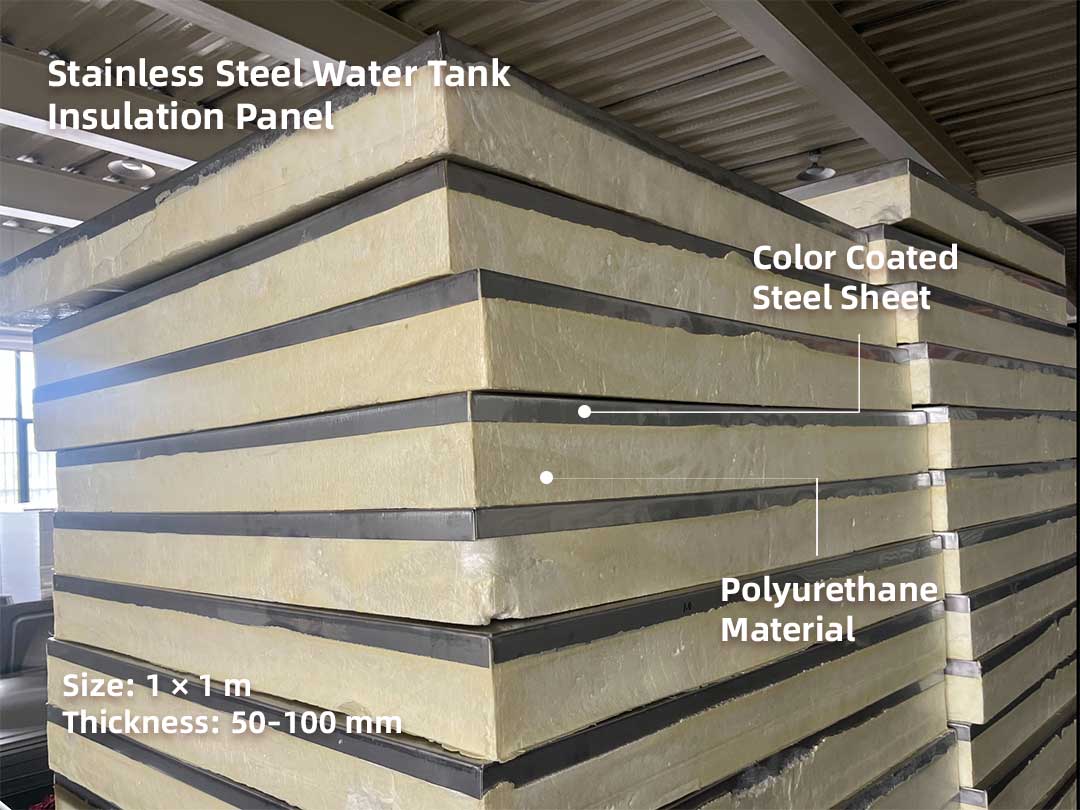
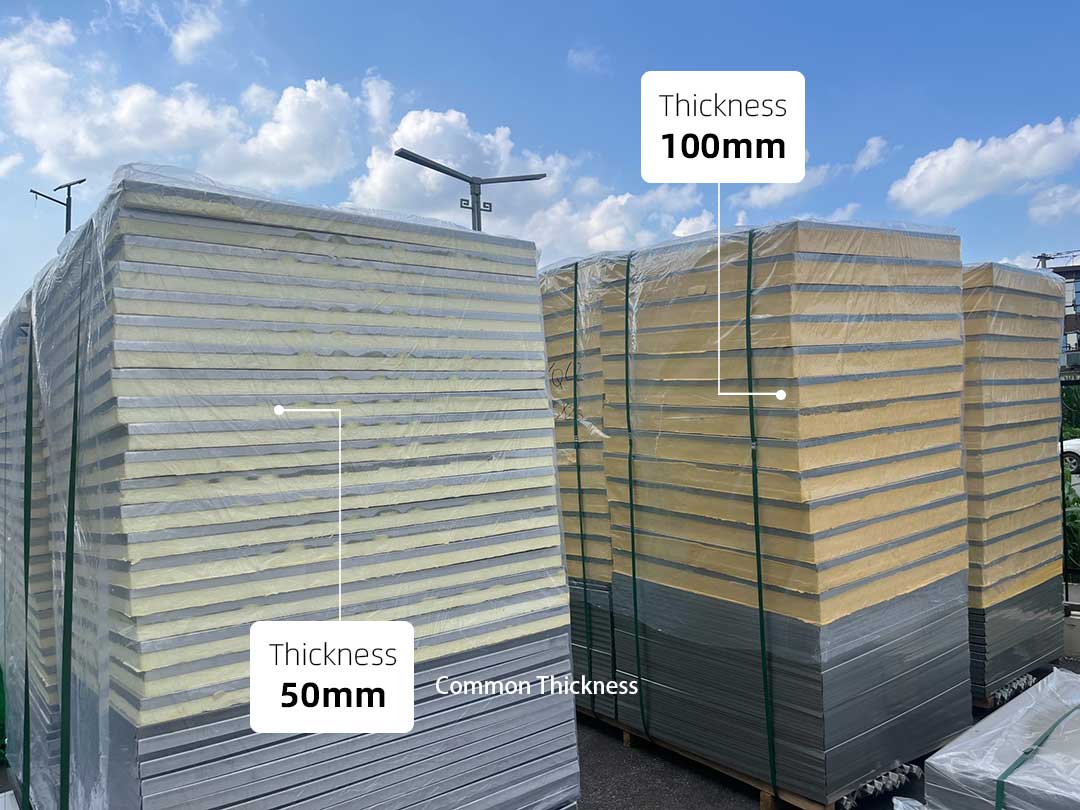
Many people believe water tanks are only used for storing cold water. In reality, many facilities require hot water storage and circulation.
Hotels, hospitals, apartment buildings, and solar hot water systems all require stable water temperatures. Insulated water tanks can store hot water during off-peak periods while minimizing heat loss, reducing energy consumption, and improving overall thermal efficiency.
In northern China, where winters are particularly cold, customers commonly choose polyurethane insulation or rubber foam insulation.
Polyurethane offers superior thermal performance and is suitable for projects requiring high insulation efficiency, while rubber foam provides excellent thermal insulation, condensation prevention, waterproofing, and vibration absorption, making it ideal for general hot water storage and outdoor installations.
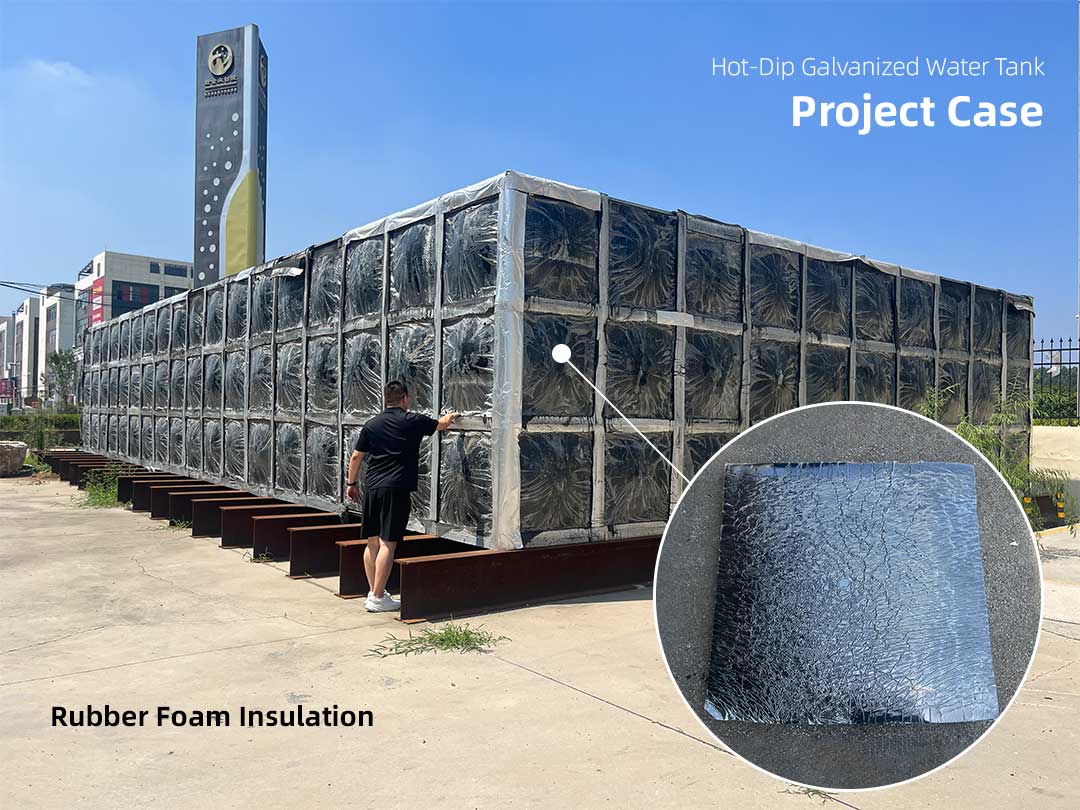
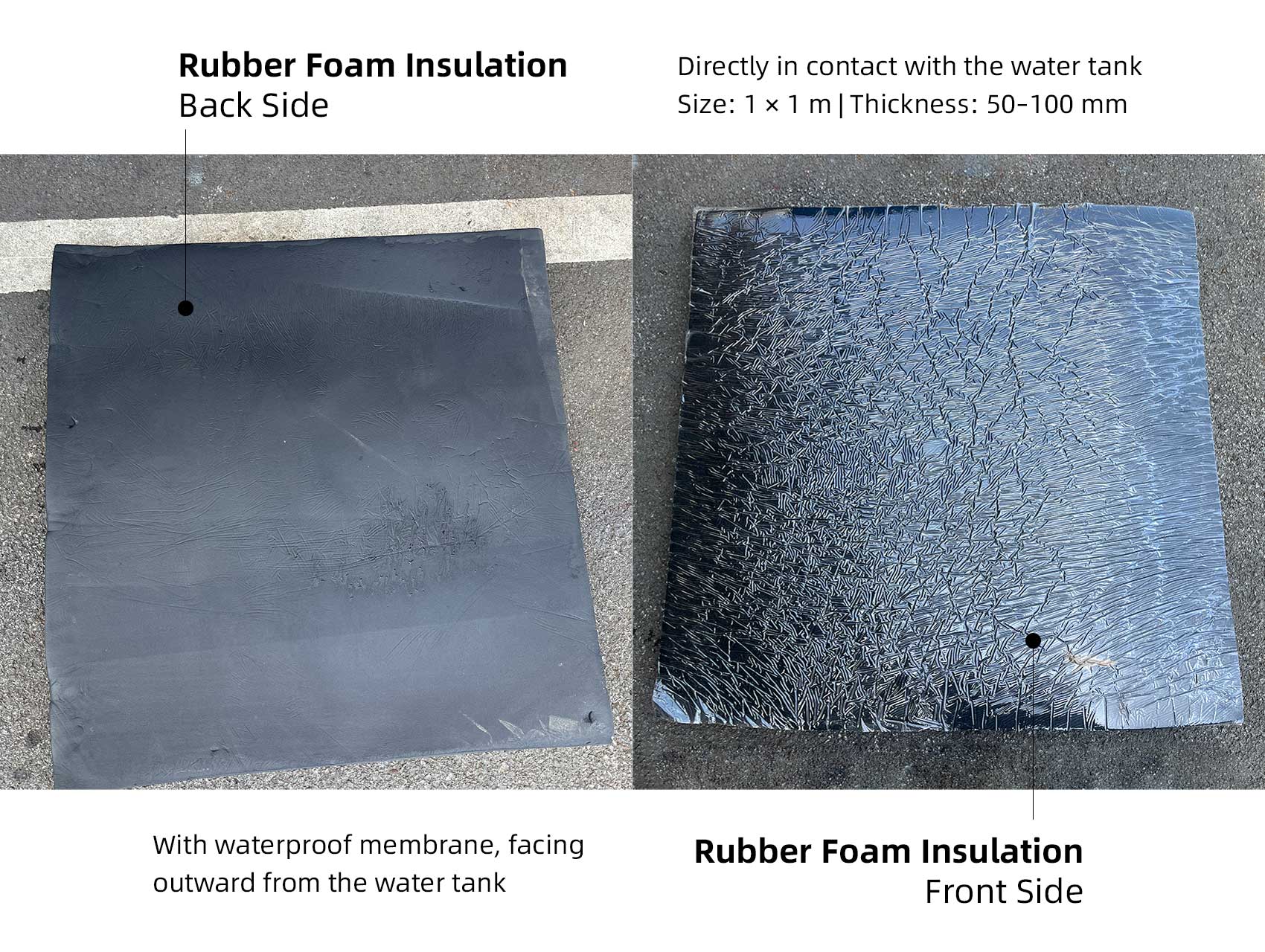
Coastal regions are among the most common installation environments for our water tanks. High humidity, salt spray, and chloride ions create highly corrosive conditions for metal materials.
Although stainless steel and hot-dip galvanized steel tanks already provide excellent corrosion resistance, long-term exposure to salt spray can still reduce their service life.
For these environments, we recommend using heavier galvanized coatings or 304/316 stainless steel. During installation, special attention should be paid to protecting bolts, fasteners, and cut edges against corrosion. In many projects, we also recommend adding an external rubber foam insulation layer, which provides both thermal insulation and an additional protective barrier.
Southern China, Southeast Asia, tropical rainforests, many African countries, and other regions with high humidity and frequent rainfall expose water tanks to continuous moisture.
Long-term humidity can accelerate oxidation of bolts, fasteners, and sealing components. Condensation also forms easily on metal surfaces, while sudden temperature changes caused by heavy rainfall create repeated thermal expansion and contraction, increasing structural stress.
In these environments, we recommend installing rubber foam insulation or other external protective layers to minimize direct contact between moisture and the tank surface. Proper foundation drainage and regular inspection of bolts and seals are equally important for reducing corrosion risks.
In the Middle East, Africa, parts of South America, and northern Australia, water tanks are exposed to intense sunlight throughout the year. During summer, the tank surface temperature may exceed 60°C (140°F).
Continuous heat not only raises the water temperature but also accelerates the aging of rubber seals, gaskets, and other non-metallic components. Repeated thermal expansion and contraction also increase stress on the tank structure.
For these environments, we recommend avoiding direct sunlight whenever possible by installing shading structures or adding rubber foam or polyurethane insulation to reduce solar heat gain and improve long-term reliability.
Many of our customers operate in chemical plants, power stations, mining sites, and wastewater treatment facilities where the air contains acidic gases, sulfides, chlorides, and other corrosive substances.
These chemicals gradually consume protective coatings and shorten the service life of metal tanks.
For such applications, corrosion protection should be upgraded according to the environmental severity. Possible solutions include thicker hot-dip galvanized coatings, additional anti-corrosion coatings such as bituminous paint, or selecting more corrosion-resistant materials like 316 stainless steel or GRP/FRP fiberglass water tanks.
Among all insulation options, stainless steel insulated water tanks offer the best combination of thermal performance, durability, and appearance.
Insulation thickness can be customized according to project requirements, with 50–100 mm (2–4 inches) being the most common. In northern China, most customers choose 50 mm polyurethane insulation with a color-coated steel outer cladding. For harsher environments, insulation thicknesses of 100 mm or more are also available.
Compared with rubber foam insulation, polyurethane provides superior thermal performance while maintaining an appearance almost identical to a standard stainless steel water tank, making it an ideal combination of aesthetics and functionality.
Depending on the application and environmental conditions, a hot-dip galvanized water tank with rubber foam insulation is also an excellent solution. For non-potable water storage, hot-dip galvanized tanks are often the more economical choice, offering significantly lower costs than stainless steel tanks.
Finally, external protection alone is not enough. Regular internal cleaning and maintenance are equally important for extending service life and ensuring reliable system operation.
As a professional water tank manufacturer, we are committed to providing customers worldwide with complete water tank solutions, including material selection, protective measures, and maintenance guidance.
If you’re still unsure which type of water tank is right for your project, contact us today.
Water tanks require additional insulation when they are installed in cold regions, areas with strong sunlight exposure, hot water storage systems, or projects that require stable water temperatures. Insulation helps reduce heat loss, prevent freezing in winter, lower energy consumption, and improve the long-term performance of the water tank.
Common insulation materials for stainless steel water tanks include polyurethane foam (PU) and rubber foam insulation. Polyurethane foam provides better thermal insulation performance and is suitable for projects with high insulation requirements. Rubber foam insulation offers excellent moisture resistance, waterproofing, and anti-condensation properties, making it suitable for outdoor installation and general hot water storage applications.
In low-temperature areas such as Russia, Kazakhstan, and Northern Europe, water tanks usually require polyurethane foam insulation and electric heating systems according to project requirements. The insulation layer reduces heat loss, slows down temperature drops, and helps prevent water from freezing, which may cause tank deformation or water supply interruption.
Yes. Hot-dip galvanized water tanks are often combined with rubber foam insulation layers to create an economical insulated water storage solution. The insulation layer reduces the impact of temperature changes and minimizes direct contact between rainwater, condensation, and the metal surface, improving the durability of the tank.
In addition to external insulation and corrosion protection, water tanks require regular inspection of bolts, sealing components, and internal cleanliness. Regular cleaning and timely maintenance of corrosion or leakage issues can effectively extend the service life of the water tank and ensure safe long-term operation.