Insulated Water Tanks: Materials, Performance, and Energy Efficiency
Insulated water tanks use polyurethane, rock wool, or sponge panels to retain water temperature, improve durability, and save energy.
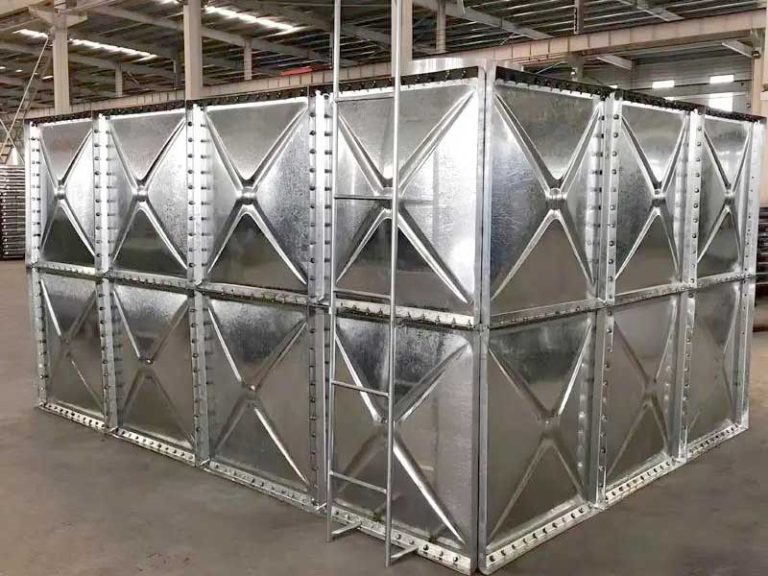
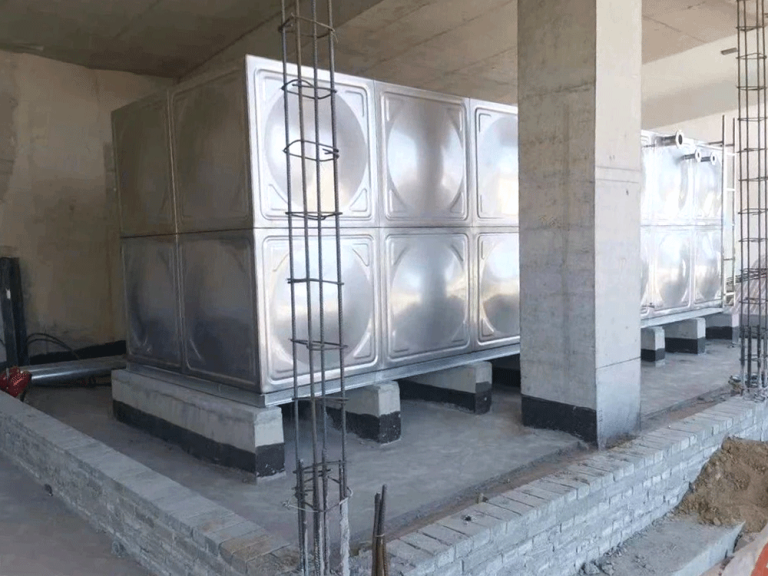
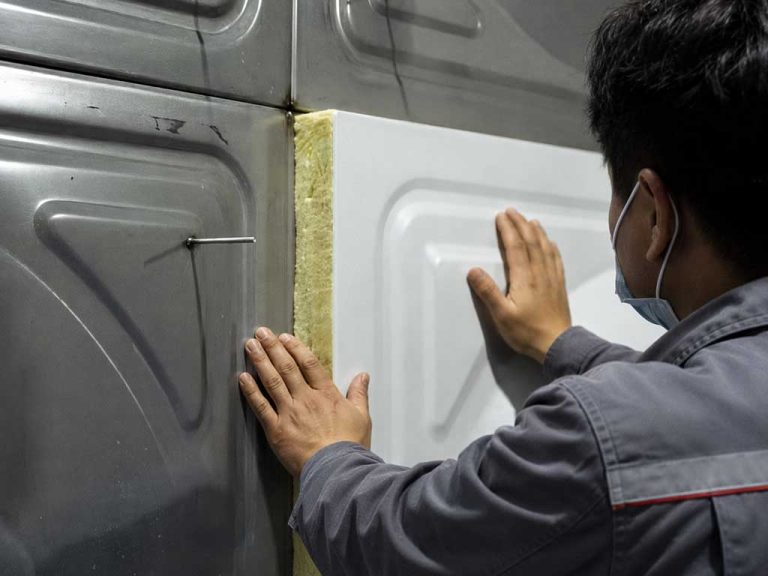
Insulated water tanks are standard modular water tanks with an additional layer of insulation panels of the same size.
This ensures performance under different climates and operating conditions. Common insulation panels are made from polyurethane foam with a steel sheet outer layer.

Insulation materials for water tanks include polyurethane foam, rock wool, and rubber-plastic sponge. Adding an insulation layer not only stabilizes drinking water quality year-round and maintains cleanliness but also enhances structural stability under special conditions and extends the tank’s service life.
Selecting insulation materials and evaluating thermal performance requires comprehensive consideration. Key factors include thermal conductivity, insulation stability, durability, and environmental impact. These directly affect water temperature retention and energy consumption.
Good insulation materials should generally have the following characteristics:
- Low thermal conductivity to reduce heat transfer and improve insulation efficiency.
- Stable performance under varying temperature and humidity conditions for long-term thermal retention.
- Durability under different working conditions to avoid frequent replacements and reduce maintenance costs.
- Environmental safety to prevent harm to humans and the environment.
Based on the performance advantages of conventional modular water tanks and insulating materials, insulated water tanks offer significant benefits in practical applications:
- Wide applicability: They can be used in residential buildings, hotels, hospitals, schools, and other domestic water supply settings, as well as for industrial process water, circulating water, and fire-fighting water storage.
- Energy-saving efficiency: They significantly reduce energy consumption and prevent additional heating costs caused by water temperature drops.
- Easy maintenance: Like conventional modular water tanks, the modular design allows for convenient installation, maintenance, and replacement, and the insulating panels can be replaced independently.
- Enhanced system stability: Insulated water tanks maintain stable water temperatures under extreme weather or high-temperature conditions, ensuring long-term reliable operation of the water supply system.
- Flexible customization: Tank size, insulation thickness, and panel materials can be customized according to project requirements to meet the performance needs of different applications.