Email: info@oudreywatertank.com
Whatsup: +86159 1014 5521
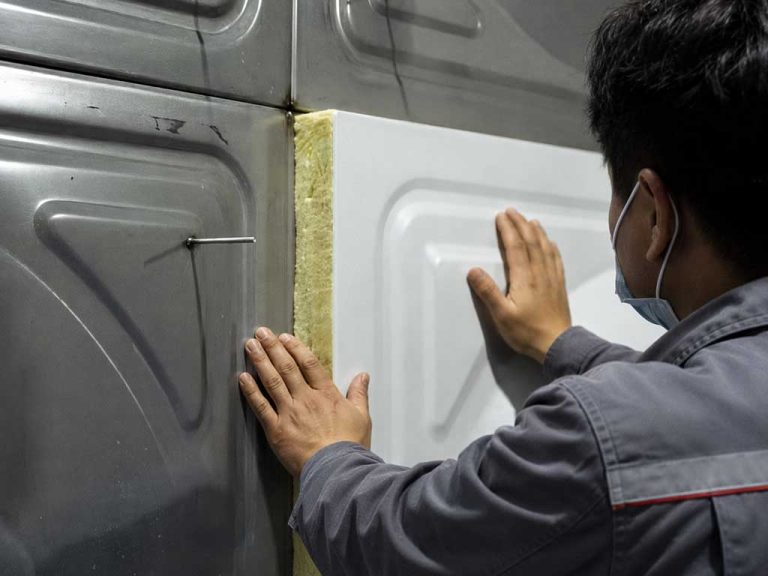
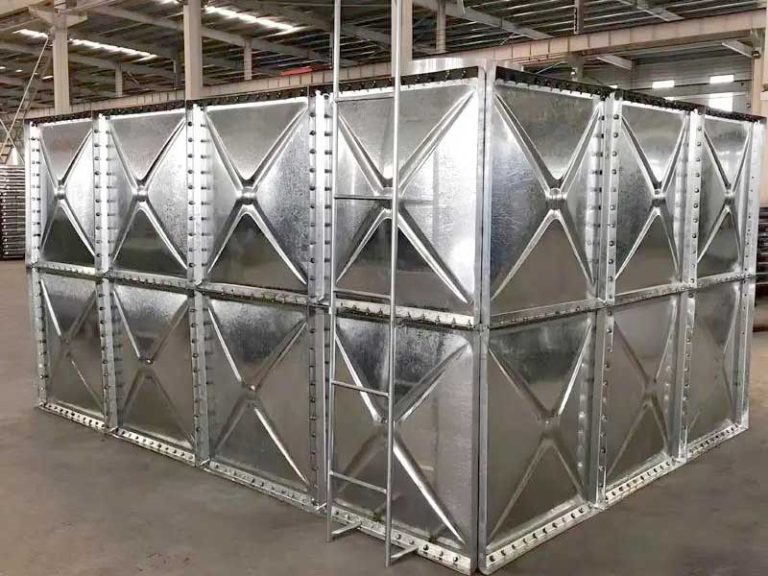
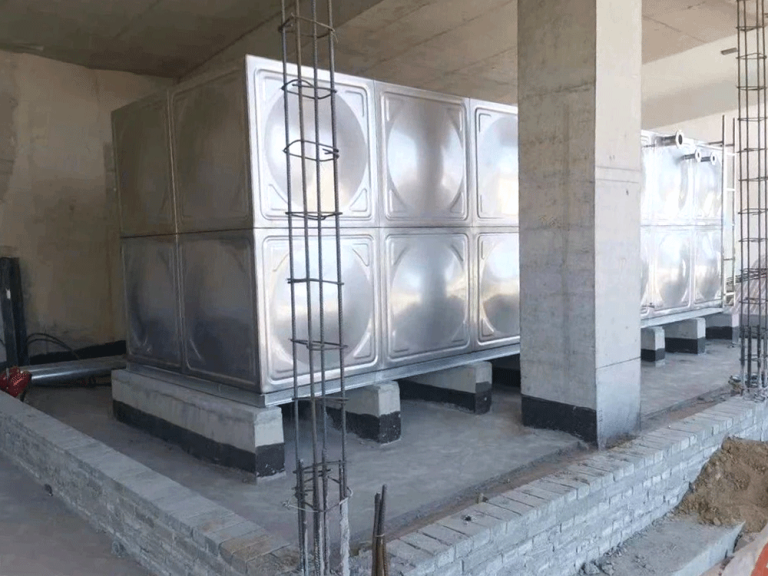
Stainless steel water tanks are usually made from SUS304 stainless steel plates through precision press forming.They are lightweight and non-permeable.
Stainless steel water tanks are usually made from SUS304 stainless steel plates through precision press forming.They are lightweight and non-permeable.They ensure good water quality and high structural strength.They have a long service life and an attractive appearance.
Stainless steel water tanks are easy to clean.They do not easily grow algae.They offer strong corrosion resistance and good insulation performance.
They are widely used in:
Under normal conditions, a stainless steel water tank can last more than 10 years.
However, service life may be reduced if:
To prevent leakage and extend service life, the following points are critical.
Stainless steel water tanks are mainly used for:
Key precautions:
Correct use reduces corrosion and structural stress.
The tank should be cleaned and disinfected every 6 to 12 months.
This helps to:
The surrounding area should also be kept clean.
Foreign objects should be prevented from entering the tank.
During operation, attention should be paid to the following:
If leakage, deformation, or abnormal connections are found,
professional technicians should be contacted immediately.