Email: info@oudreywatertank.com
Whatsup: +86159 1014 5521
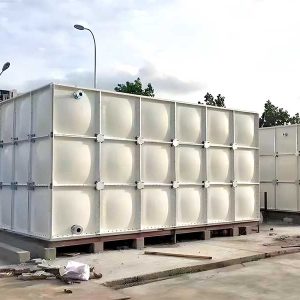
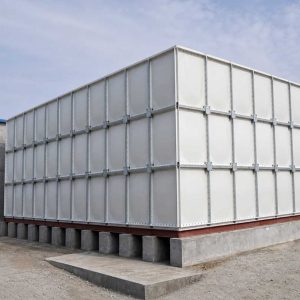
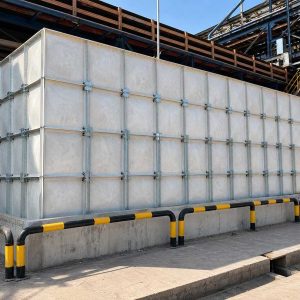
GRP water tank is the abbreviation of Glass Reinforced Plastic Water Tank. Along with hot-dip galvanized sectional steel tanks and modular stainless steel water tanks, GRP tanks are among the three mainstream water storage solutions in the market.
Although these tanks differ slightly in material characteristics and performance, they all adopt standardized panel designs, featuring strong structures, excellent corrosion resistance, modular construction, and sectional assembly. These advantages significantly improve installation efficiency and shorten project construction time.
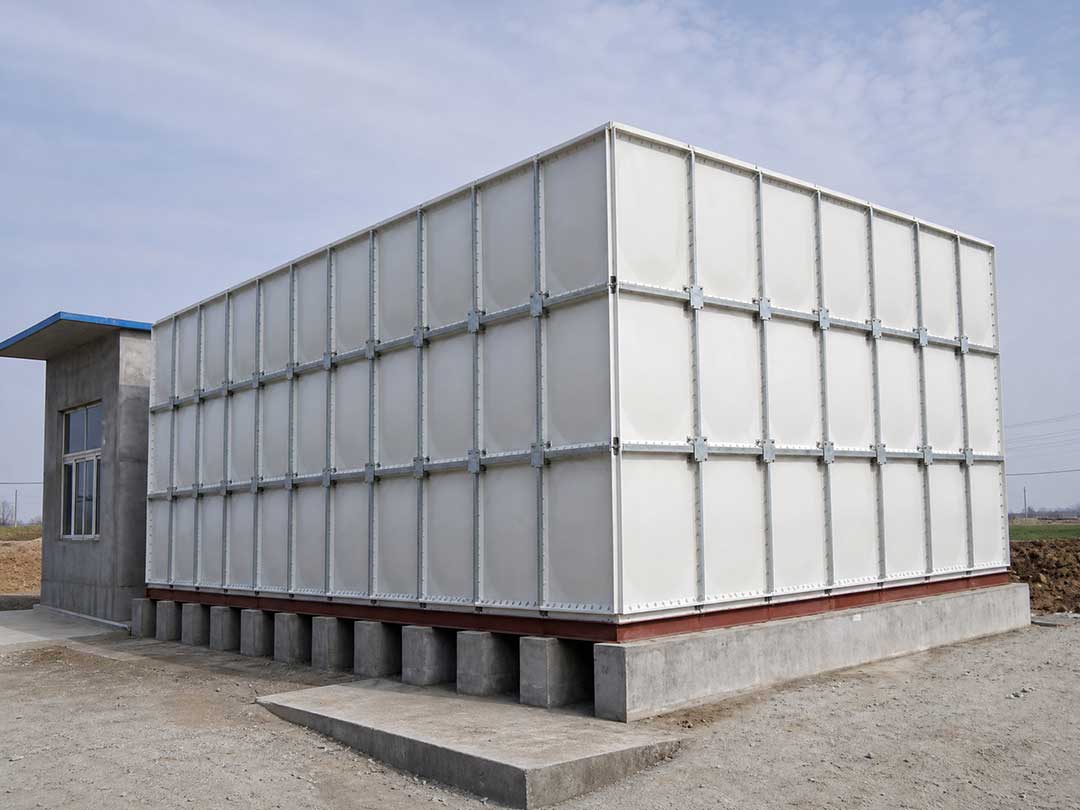
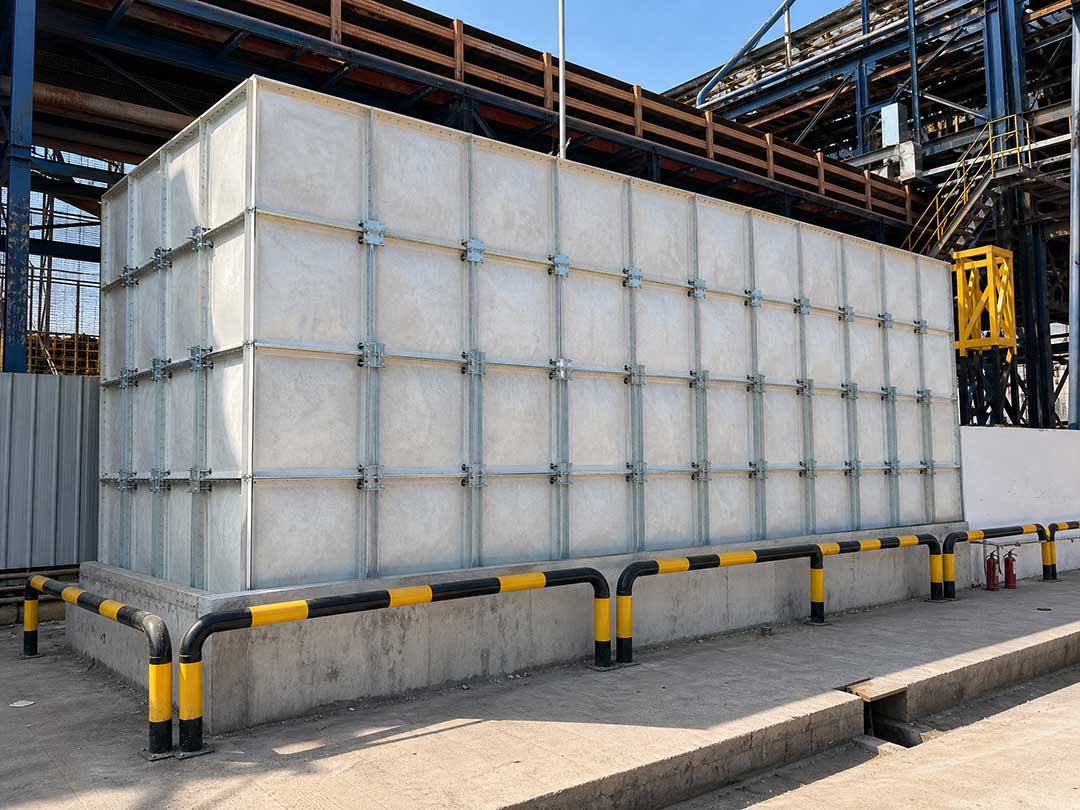
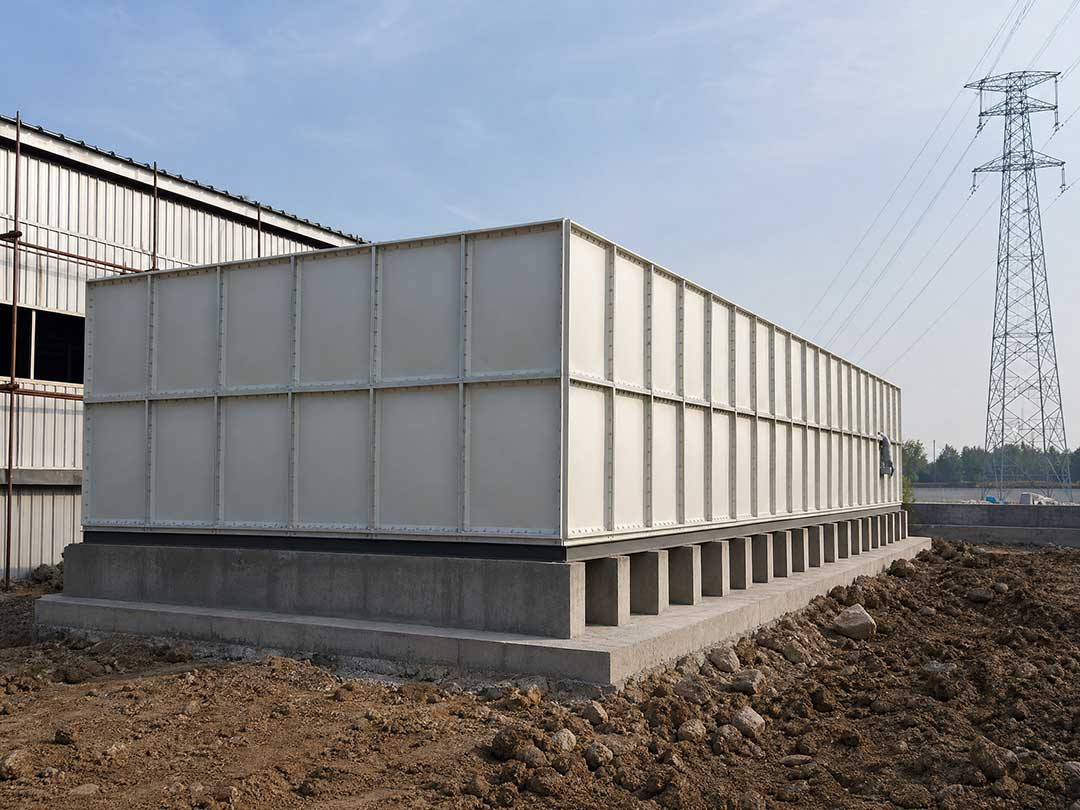
Due to their excellent corrosion resistance and cost advantages, GRP water tanks are widely preferred by buyers and end users in tropical regions such as Southeast Asia, India, and Africa.
Thanks to the properties of fiberglass-reinforced materials, GRP tanks offer excellent resistance to harsh weather conditions and high temperatures. Taking Africa as an example, inland regions experience high temperatures throughout the year, while coastal areas often have hot and humid climates. GRP water tanks are highly suitable for these challenging environments.
In many African regions, factors such as unstable electricity supply, inconsistent municipal water pressure, and increasing agricultural irrigation demand have made elevated water tanks and water towers a common water storage solution.
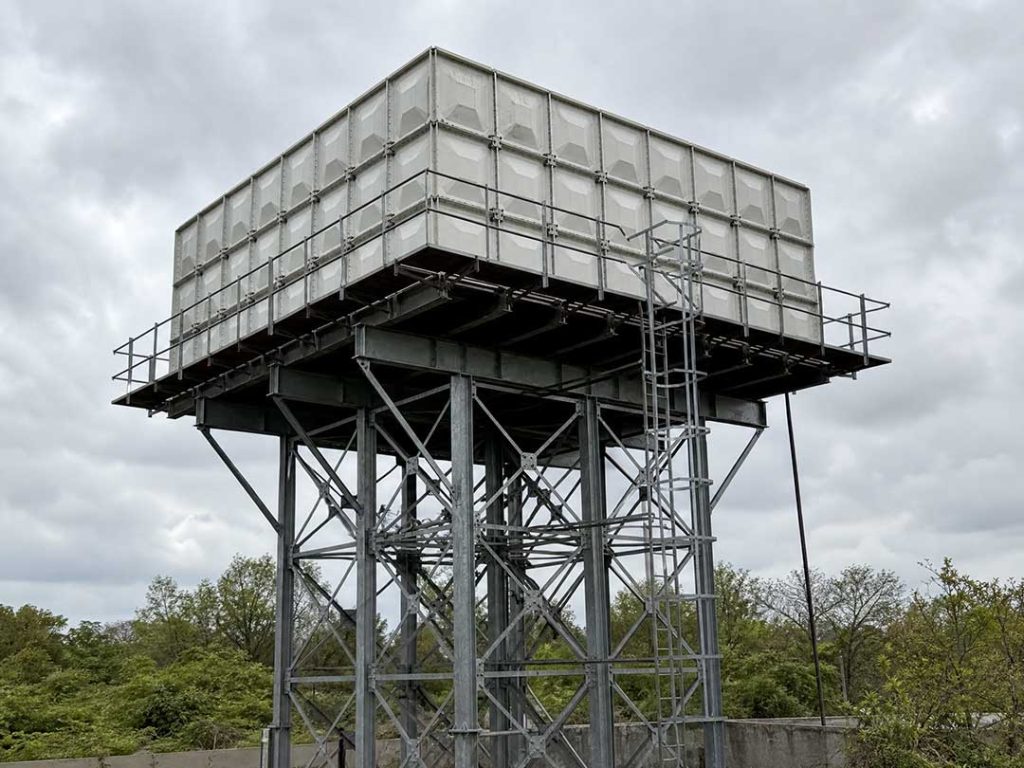
| Type | English | Applications |
|---|---|---|
| Steel tower structure + plastic water tank | Elevated Steel Water Tank | Rural water supply, engineering projects |
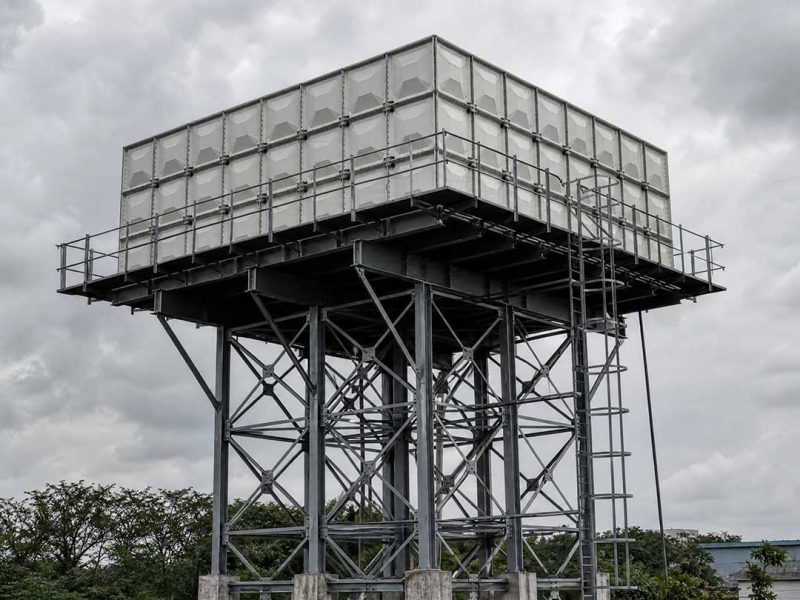
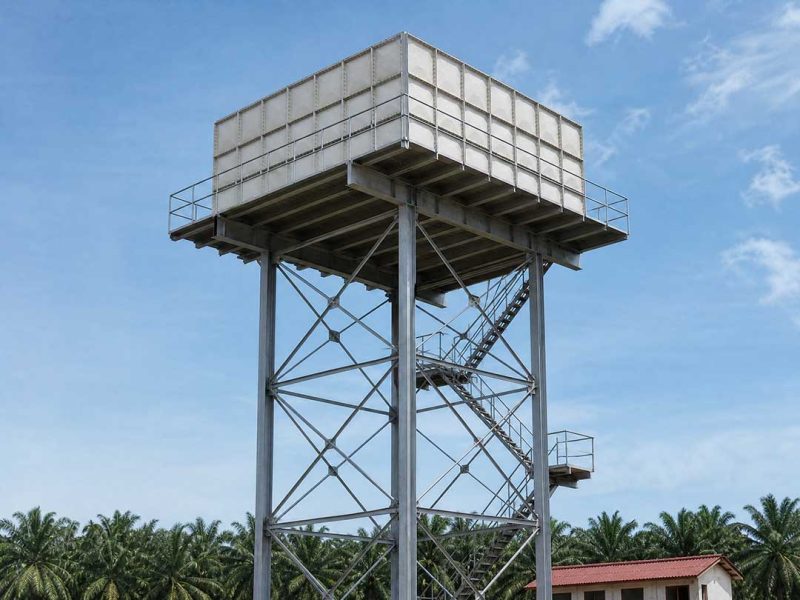
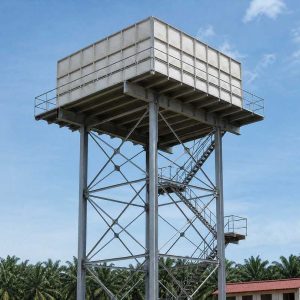
| Steel tower structure + GRP water tank | Elevated GRP Water Tank | Rural irrigation, engineering projects, municipal water supply, fire protection, domestic water supply |
| Elevated galvanized steel water tank | Elevated Galvanized Water Tank | Industrial applications, fire protection |
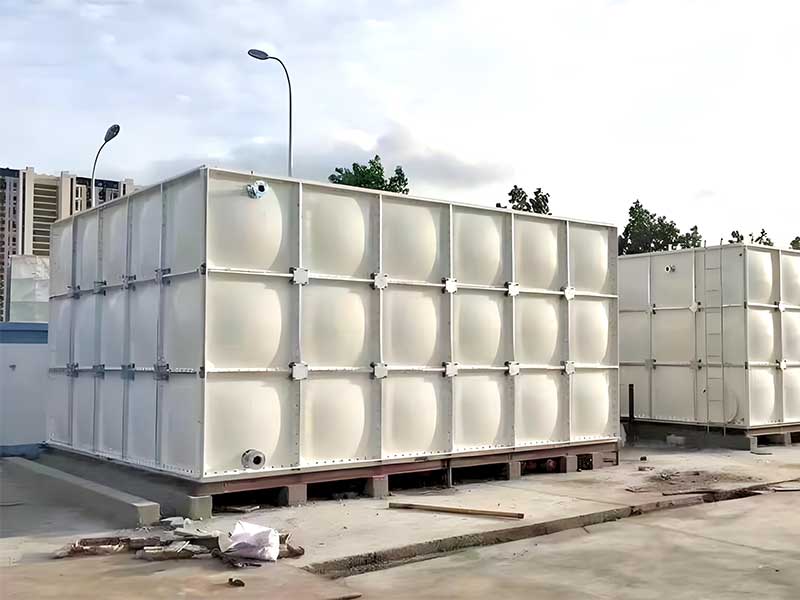
| Rooftop water tank | Roof Water Tank | Rural and urban buildings |
| Concrete water tower | Concrete Water Tower | Communities, municipalities, factories |
Considering application range, durability, and cost, the combination of a steel tower structure + GRP water tank is highly recommended for African water storage projects.
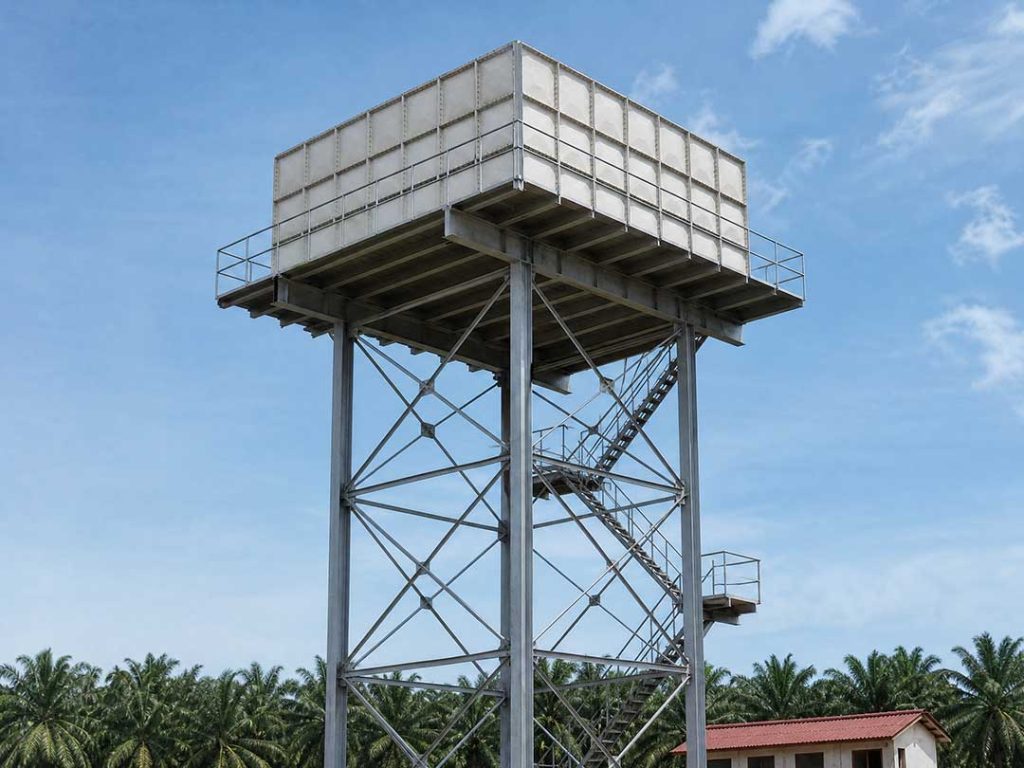
The popularity of elevated water tanks (Elevated Water Tank / Elevated Storage Tank / Overhead Water Tank) in Africa is not simply due to product preference. It is mainly determined by local conditions, including:
Many African regions have relatively underdeveloped infrastructure, resulting in:
Elevated water tanks utilize the principle of gravity-fed water supply.
During the daytime, water pumps transfer water into the elevated tank for storage. The stored water is then distributed through gravity to:
This reduces dependence on continuous pumping or pressure boosting systems.
This solution is widely used in markets such as:
Many African countries face challenges such as:
Elevated water tanks provide an effective solution because they do not require continuous power supply.
Water can be pumped into the tank when electricity is available or during off-peak hours, and then supplied through natural water pressure.
Advantages:
Therefore, elevated water tanks are particularly suitable for regions with limited infrastructure.
Africa has vast land resources and relatively low land costs. Compared with highly urbanized regions, constructing a 5–15 meter elevated water tower is more economically feasible.
Agricultural irrigation projects are often located far away from municipal water networks. Farm owners usually need to develop independent water sources, such as groundwater wells, to support long-term crop irrigation.
Combined with unstable electricity supply, this creates a typical African agricultural water supply solution:
Groundwater Well
        ↓
Solar Power + Water Pump
        ↓
Elevated Water Tank + Steel Tower Structure
        ↓
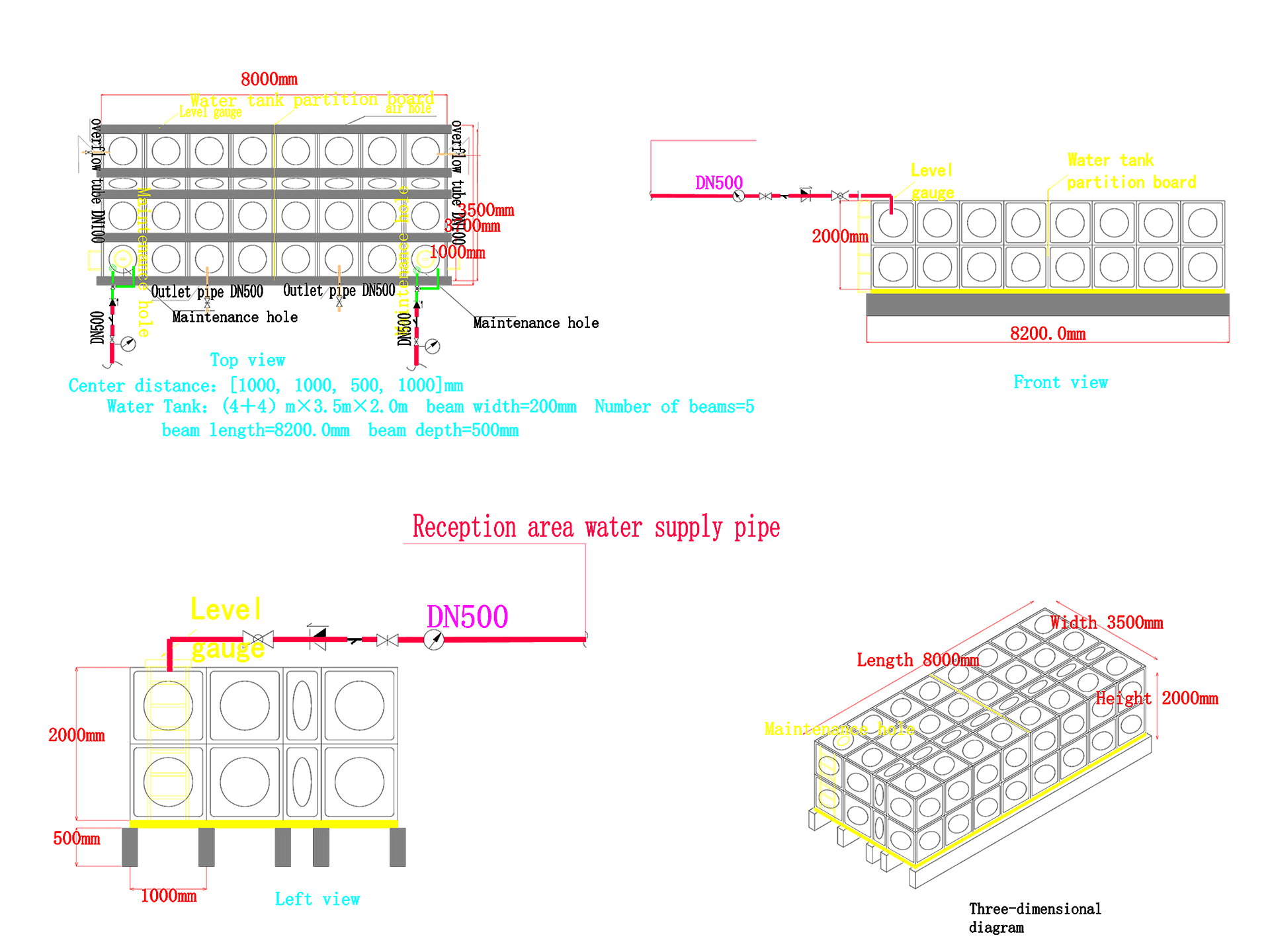
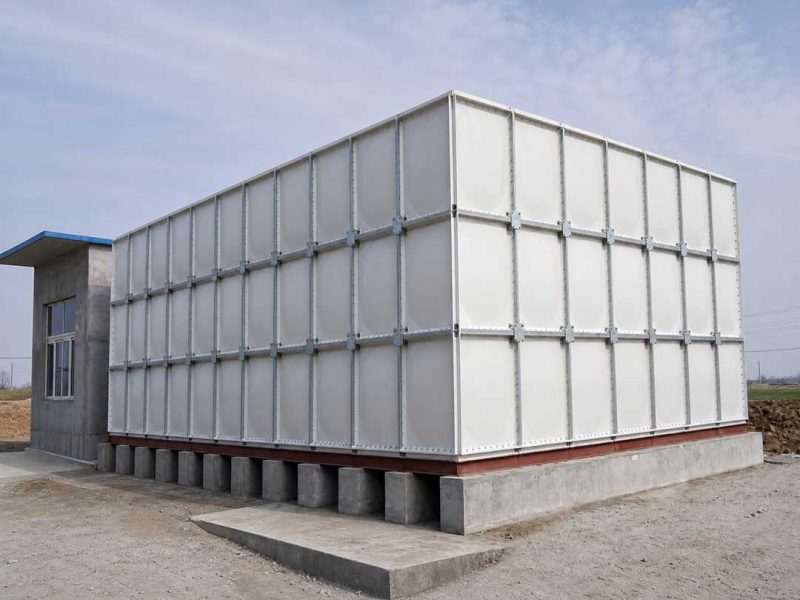
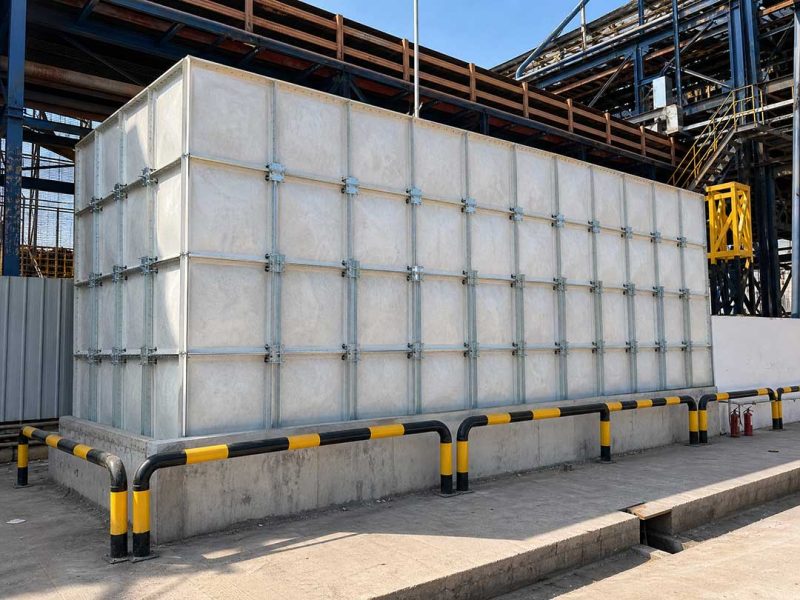
Gravity Water SupplySimilar to ground-installed GRP water tanks, the main tank body of an elevated GRP water tank uses the same sectional panel structure.
The main differences are related to the foundation structure and water supply system configuration.
| Feature | Elevated GRP Water Tank | Ground-Mounted GRP Water Tank |
|---|---|---|
| Installation/Foundation | Steel tower structure, reinforced concrete tower, or rooftop installation | Concrete foundation or steel channel base |
| Water Supply | Gravity-fed water supply, reducing pump dependence | Requires continuous pumping for water distribution |
| Maintenance | Higher position requires scaffolding or maintenance platforms | Easier cleaning and inspection |
| Operating Cost | Lower long-term energy cost due to gravity supply | Higher energy consumption due to continuous pumping |
| Typical Applications | Rural water supply, agricultural irrigation, emergency water storage | Urban water supply, residential buildings, factories |
| Height | Bottom Board | Side 1 | Side 2 | Side 3 | Side 4 | Side 5 | Top board |
|---|---|---|---|---|---|---|---|
| 5000 mm | 20 mm | 20 mm | 16 mm | 14 mm | 12 mm | 10 mm | 5 mm |
| 4500 mm | 20 mm | 20 mm | 16 mm | 14 mm | 12 mm | 10 mm | 5 mm |
| 4000 mm | 18 mm | 18 mm | 14 mm | 12 mm | 10 mm | 5 mm | |
| 3500 mm | 16 mm | 14 mm | 12 mm | 10 mm | 8 mm | 5 mm | |
| 3000 mm | 14 mm | 14 mm | 12 mm | 8 mm | 5 mm | ||
| 2500 mm | 12 mm | 12 mm | 10 mm | 8 mm | 5 mm | ||
| 2000 mm | 12 mm | 10 mm | 8 mm | 5 mm | |||
| 1500 mm | 10 mm | 10 mm | 8 mm | 5 mm | |||
| 1000 mm | 10 mm | 10 mm | 5 mm |
| Physical Property | Standard Requirement | Test Result |
|---|---|---|
| Tensile Strength | ≥60 MPa | 66.5 MPa |
| Flexural Strength | ≥120 MPa | 184 MPa |
| Flexural Modulus | ≥10 GPa | 12.8 GPa |
| Barcol Hardness | ≥60 HBa | 63.9 HBa |
| Water Absorption | ≤0.5% | 0.13% |
| Glass Fiber Content | ≥25% | 29% |
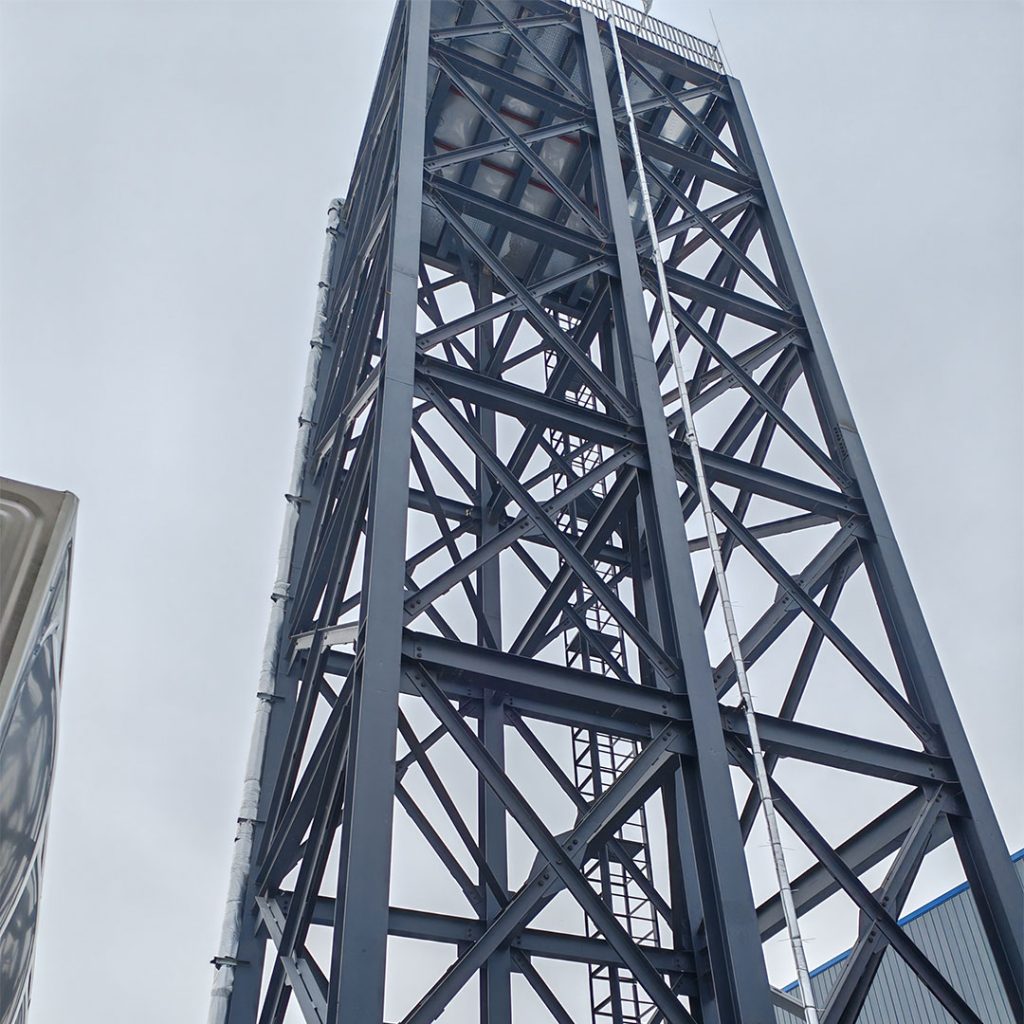
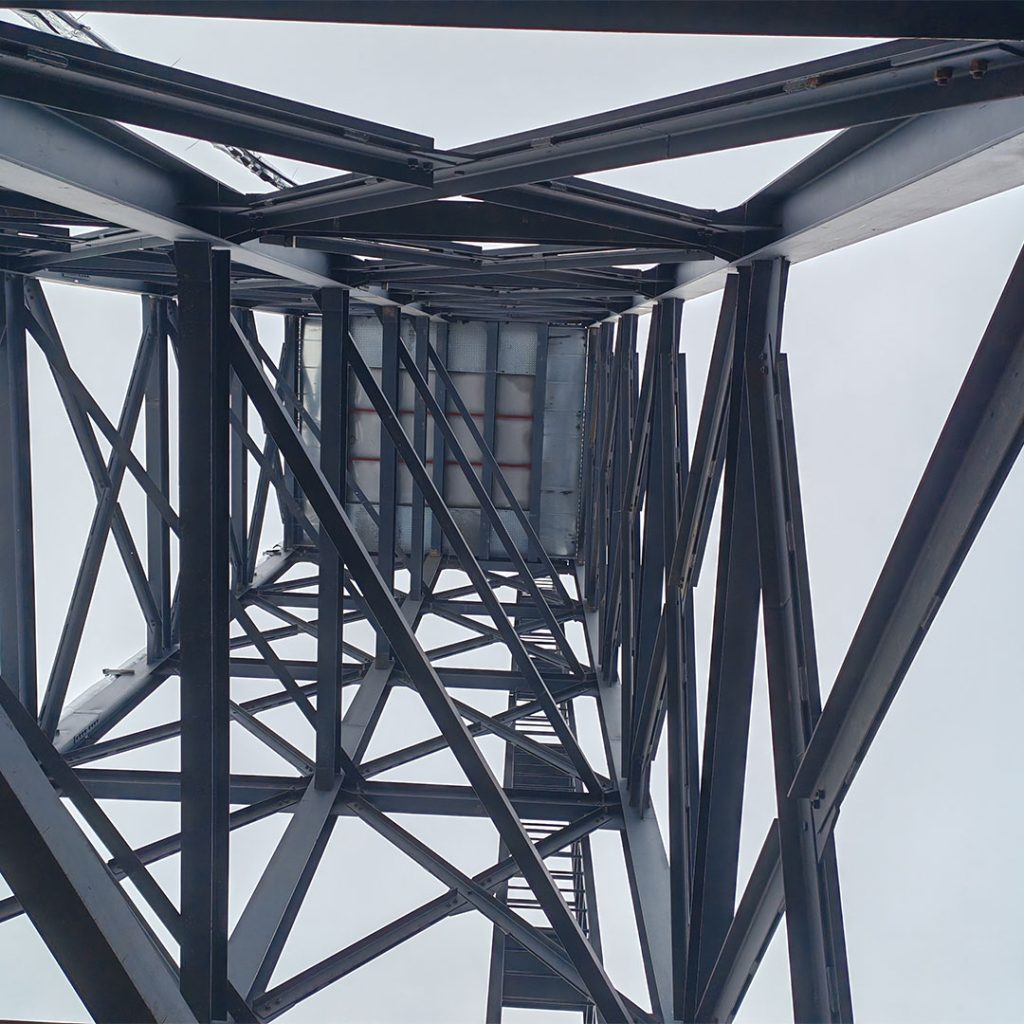
The elevated water tank tower adopts a modular steel structure design with the following features:
Factory-prefabricated components enable fast on-site installation and significantly reduce construction time.
The structure is designed to comply with wind load and seismic engineering requirements, ensuring safety and stability.
The multi-column support design distributes loads evenly, improving overall structural strength and stability.
Integrated platforms and access systems facilitate:
The tower height and structural capacity can be customized according to tank volume requirements: 10 m³–1000 m³+
| Product Name | Fiberglass Water Tank, FRP Water Tank, GRP Water Tank |
|---|---|
| Material | FRP, GRP |
| Grade | Food Grade |
| Origin | China |
| Color | white |
| Panel Size | 0.5*0.5m, 1*0.5m, 1*1m, 2*1m |
| Panel thickness | From 5mm to 24mm |
| Certification | ISO3834, ISO9001 |
| HS Code | 730990 |
| Capacity | 1000Litres -Infinity |
| Foundation | Concrete Foundation, U-Steel Bottom Bas |
| Installation | Sitting Type, Welding |
| Production Capacity | 2000Ton/Month |
| Transport Package | Pallet Box, Plywood Pallet, Steel Frame |
| Sample | Provided |
| After-Sale Service | Online Technical Support |
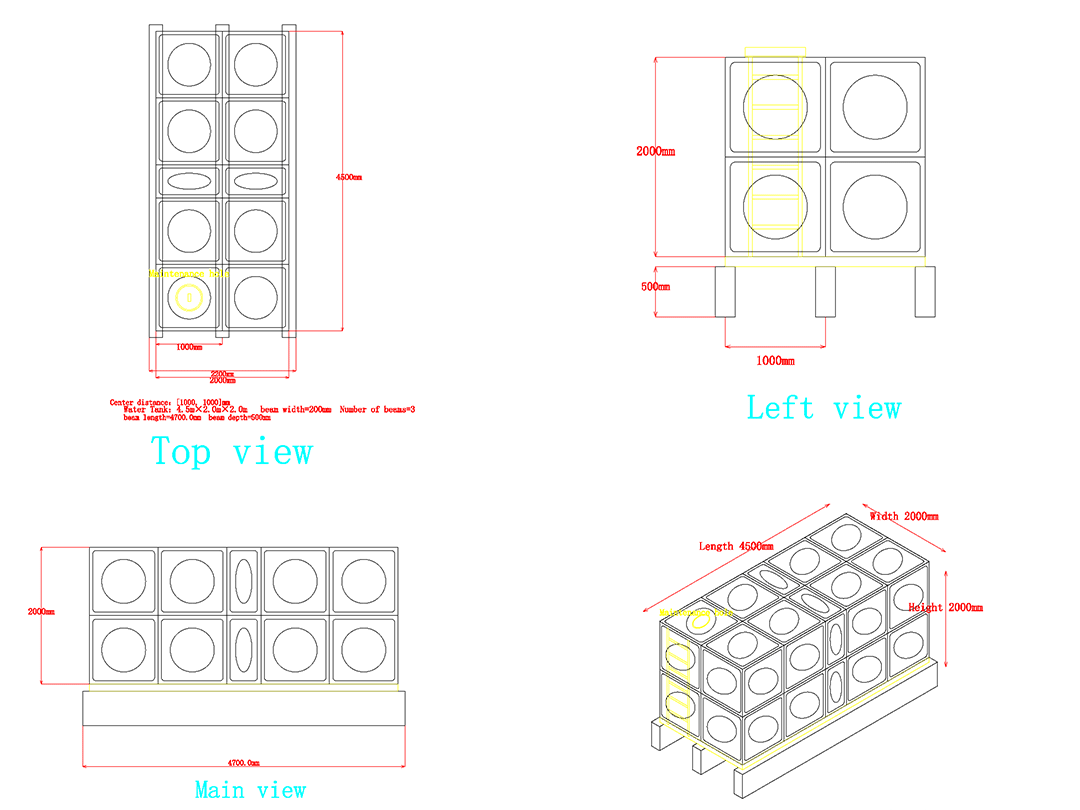
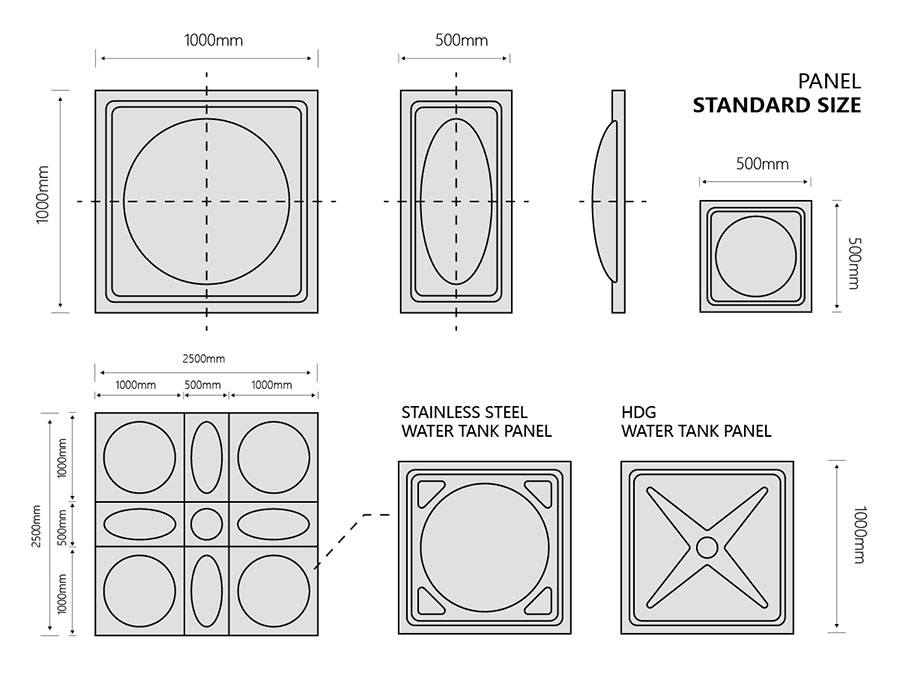
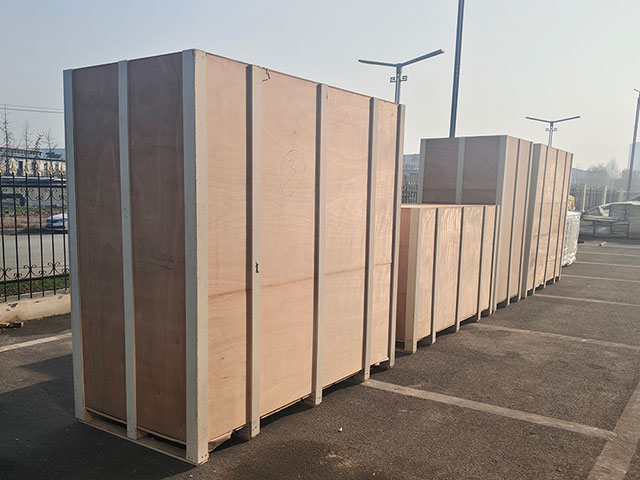
Water Tank Panel Packaging 1
Plywood Box
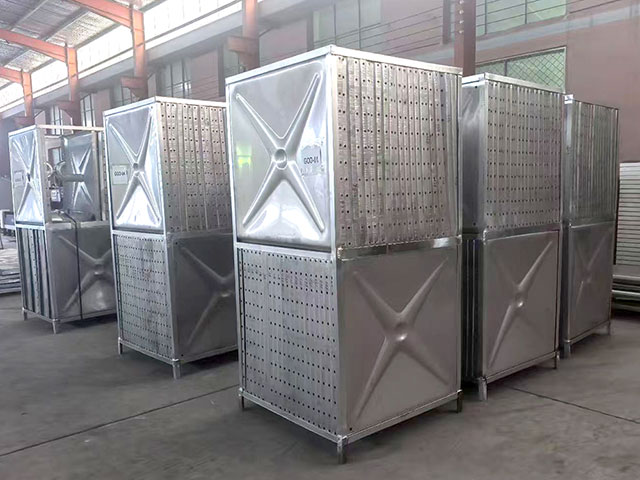
Water Tank Panel Packaging 2
Steel Frame Support
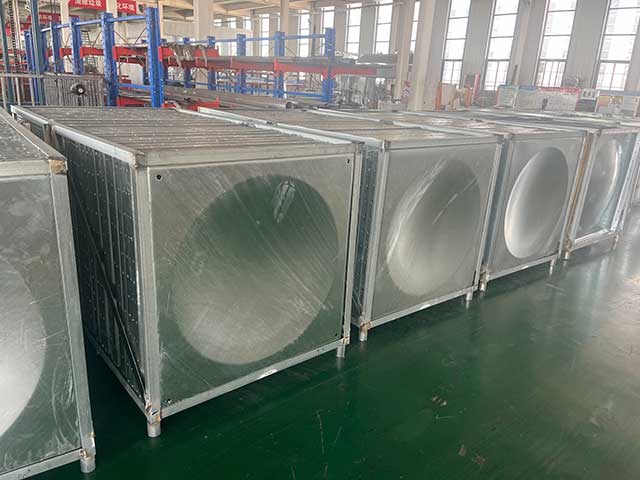
Water Tank Panel Packaging 3
HDG
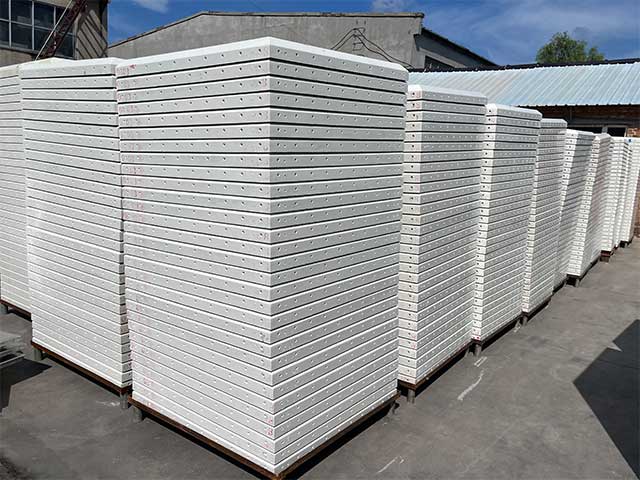
Water Tank Panel Packaging 4
GRP/FRP
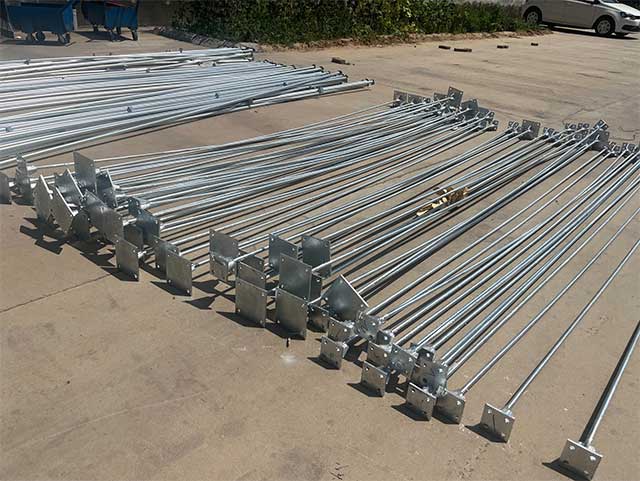
Large Components
Loose Packing
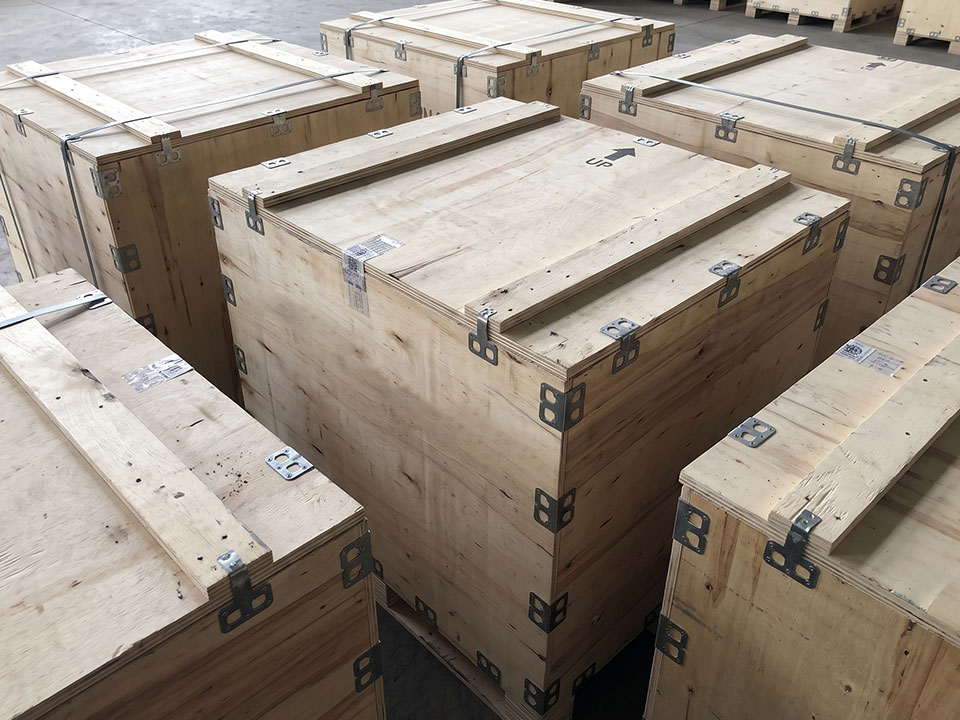
Small Accessories Packaging
Plywood Box
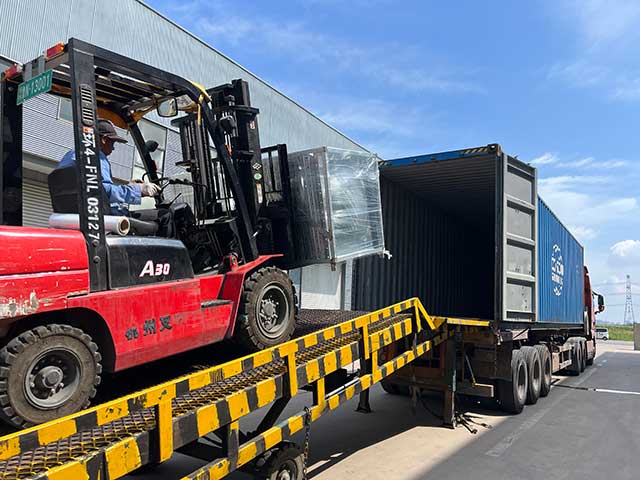
Full Container Shipment
Steel Frame Packaging
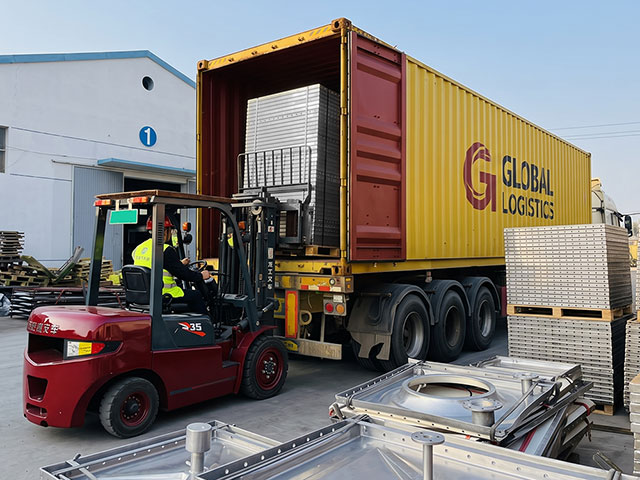
Full Container Shipment
Simple Packaging
Our water tank products are designed and manufactured in strict accordance with domestic and international standards and have passed multiple industry-recognized certifications, including ISO 9001 Quality Management System certification, food-grade stainless steel material standards (SUS304 / SUS316), and drinking water safety-related certifications.
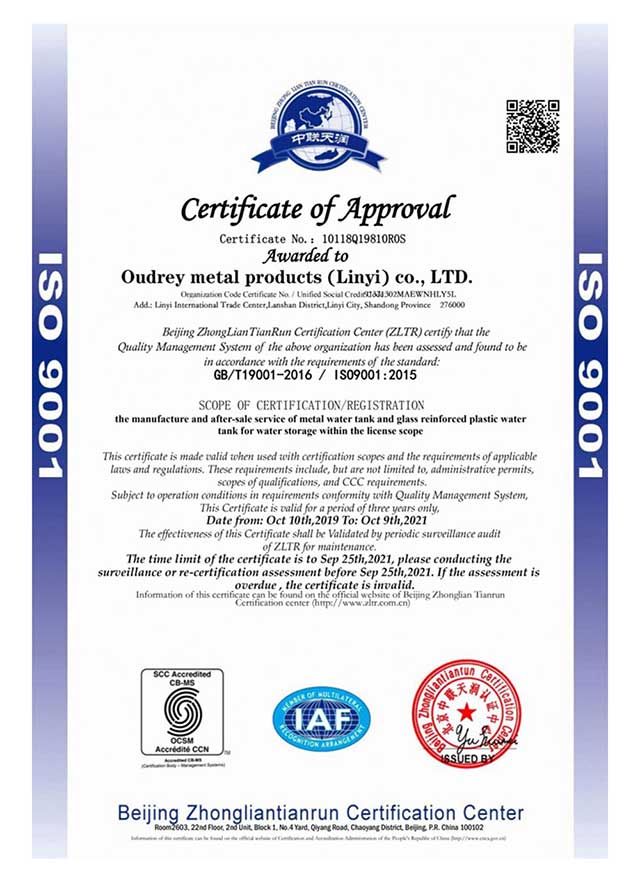
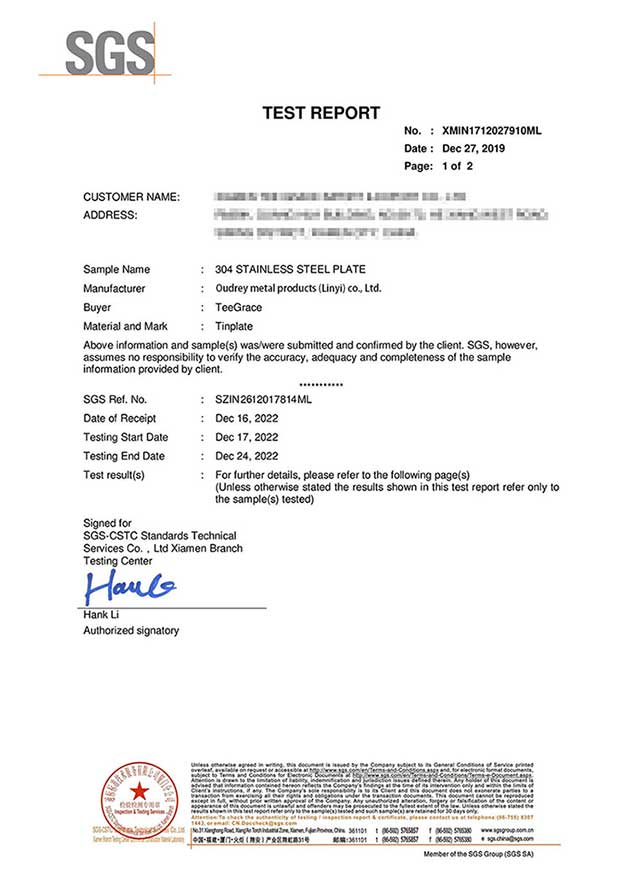
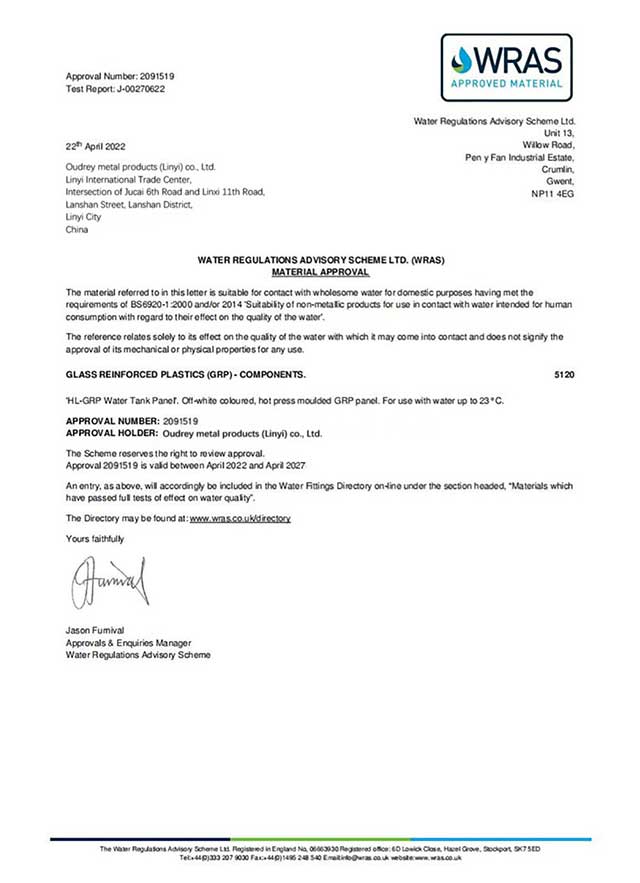
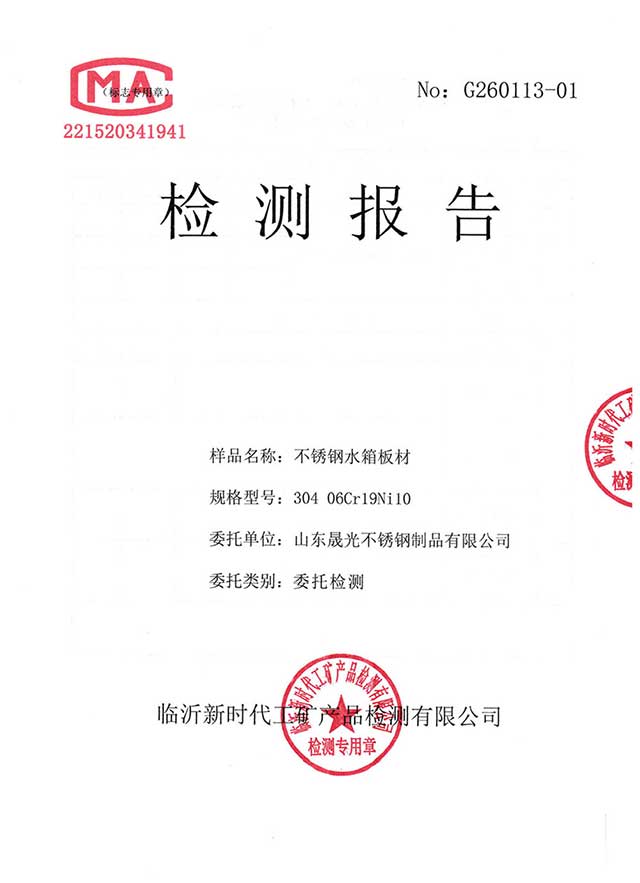
The product information provided above may not be detailed or accurate enough. Please refer to actual communication for specific details. You are welcome to contact us!
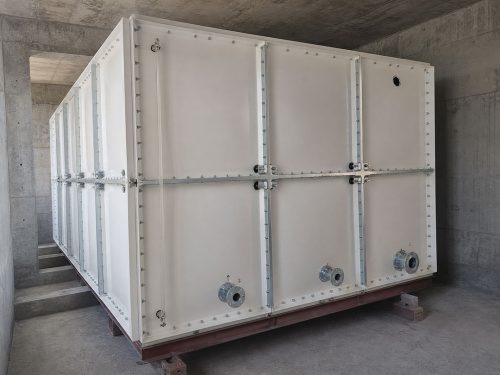
The GRP fiberglass water tank is designed…
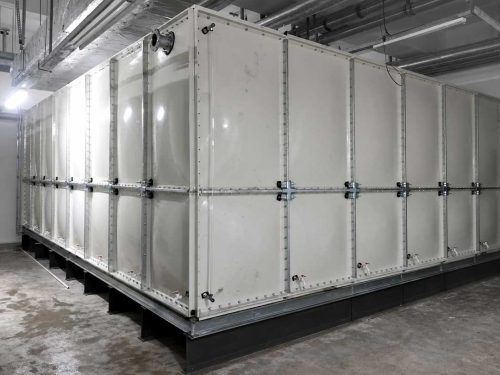
GRP hospital water tanks provide reliable storage…
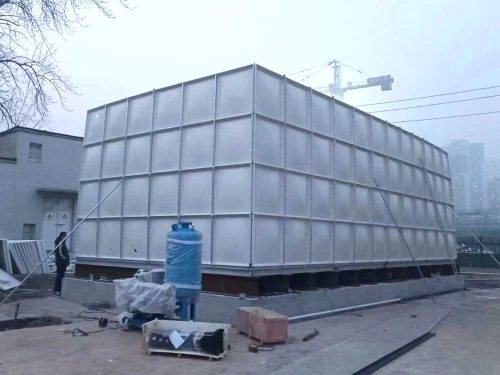
Prefabricated GRP sectional water tanks, also known…
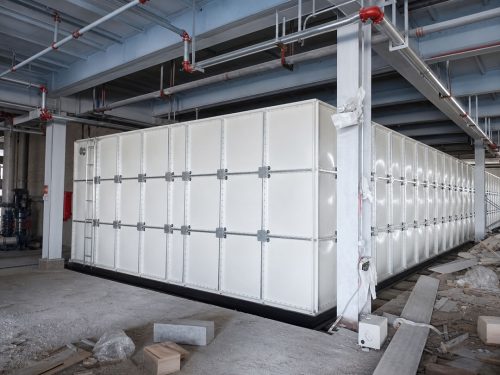
Explore modular rainwater harvesting tanks for Africa,…
Reviews
There are no reviews yet.