Email: info@oudreywatertank.com
Whatsup: +86159 1014 5521
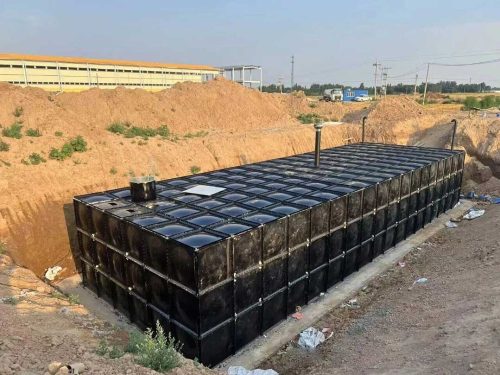
In recent years, with climate change, uneven water resource distribution, and increasing pressure on global water supplies, water resource management has attracted worldwide attention. Rainwater harvesting and seawater desalination have become effective solutions for improving water availability.
Especially in regions with seasonal rainfall, long dry periods, water shortages, or limited water supply infrastructure, effectively collecting and storing abundant rainfall has become an important method of water resource utilization.
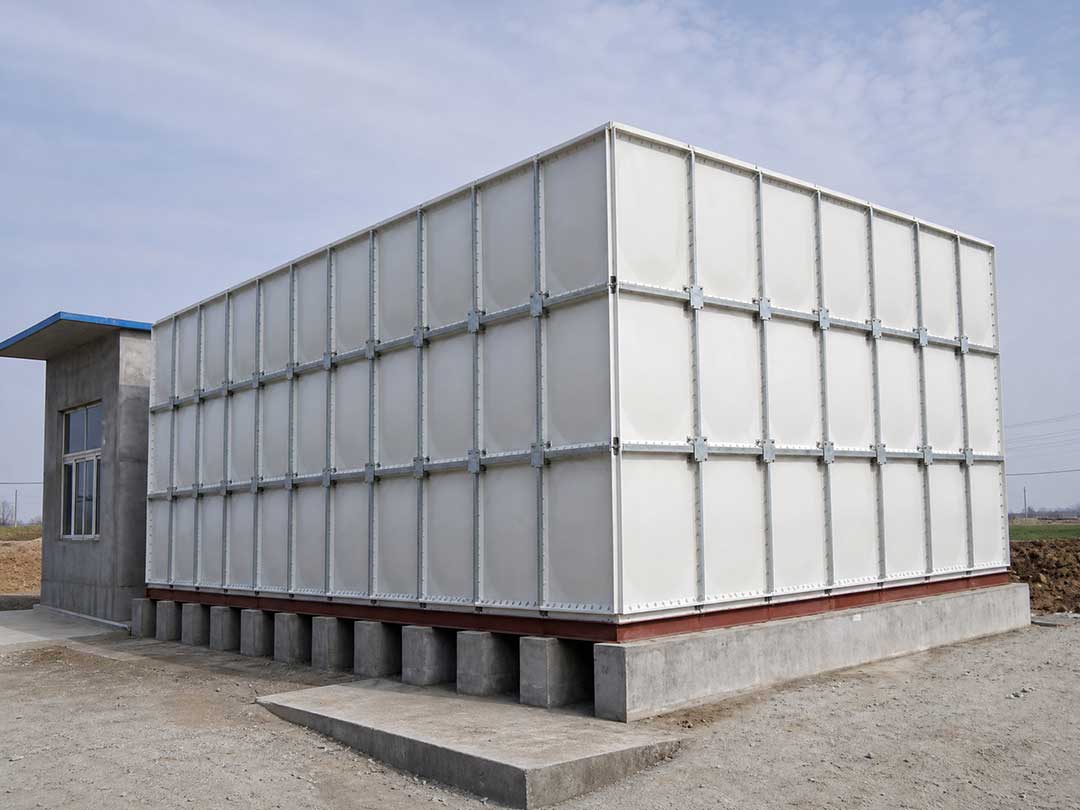
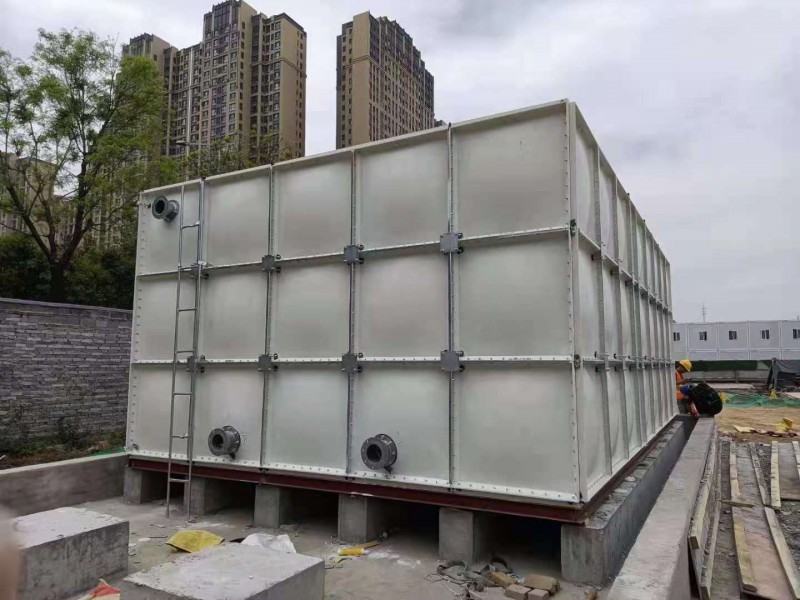
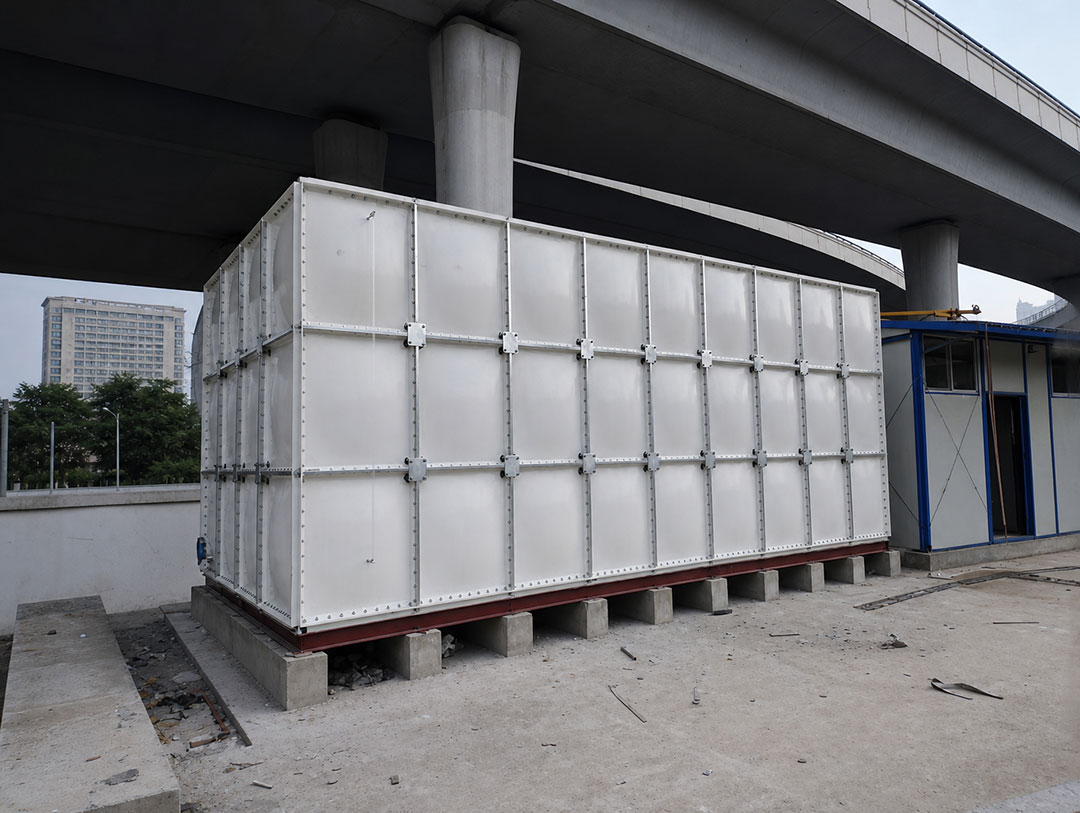
Rainwater harvesting can not only reduce water costs and dependence on municipal water supplies but also be widely used in agricultural irrigation, building water supply, industrial production, fire protection reserves, and urban stormwater management. After proper treatment, collected rainwater can also be used as a drinking water source.
In regions such as Africa, India, and Southeast Asia, large plastic water tanks and concrete reservoirs are common rainwater storage solutions. They are suitable for household water use and small-scale industrial water storage. However, as the demand for large-scale projects increases, these traditional solutions have gradually revealed their limitations.
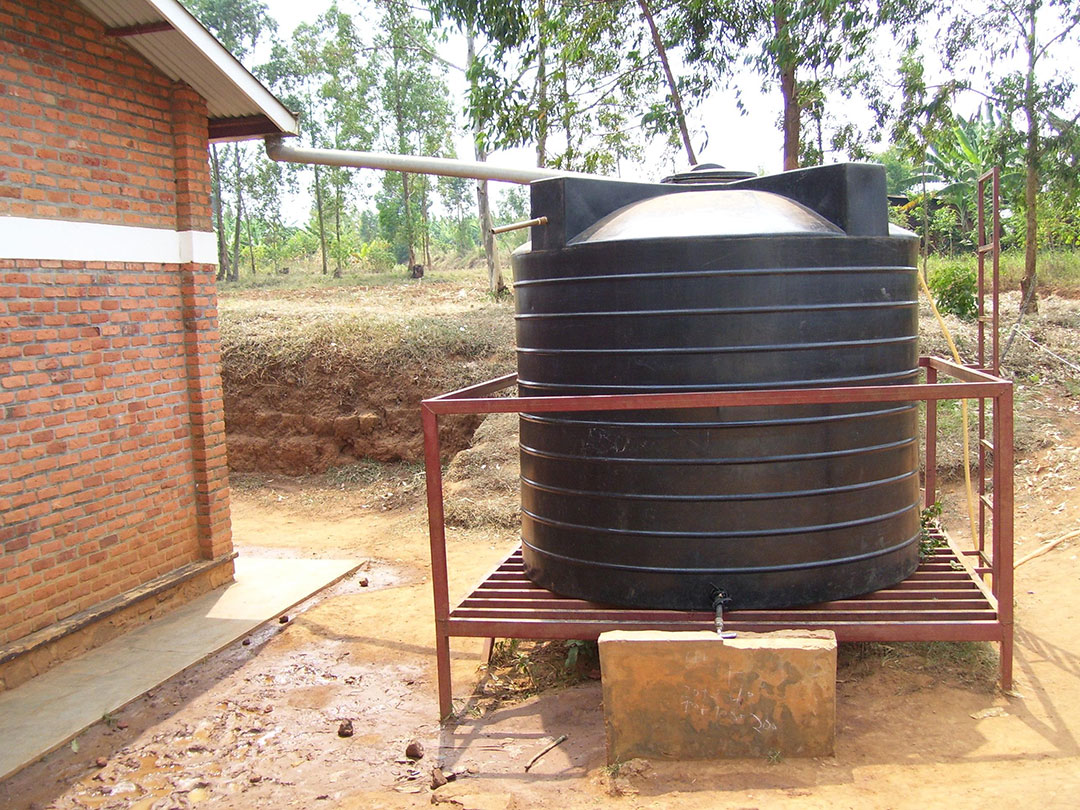
Large plastic water tanks are widely used in small rainwater harvesting systems due to their low cost and simple installation.
However, they have several limitations:
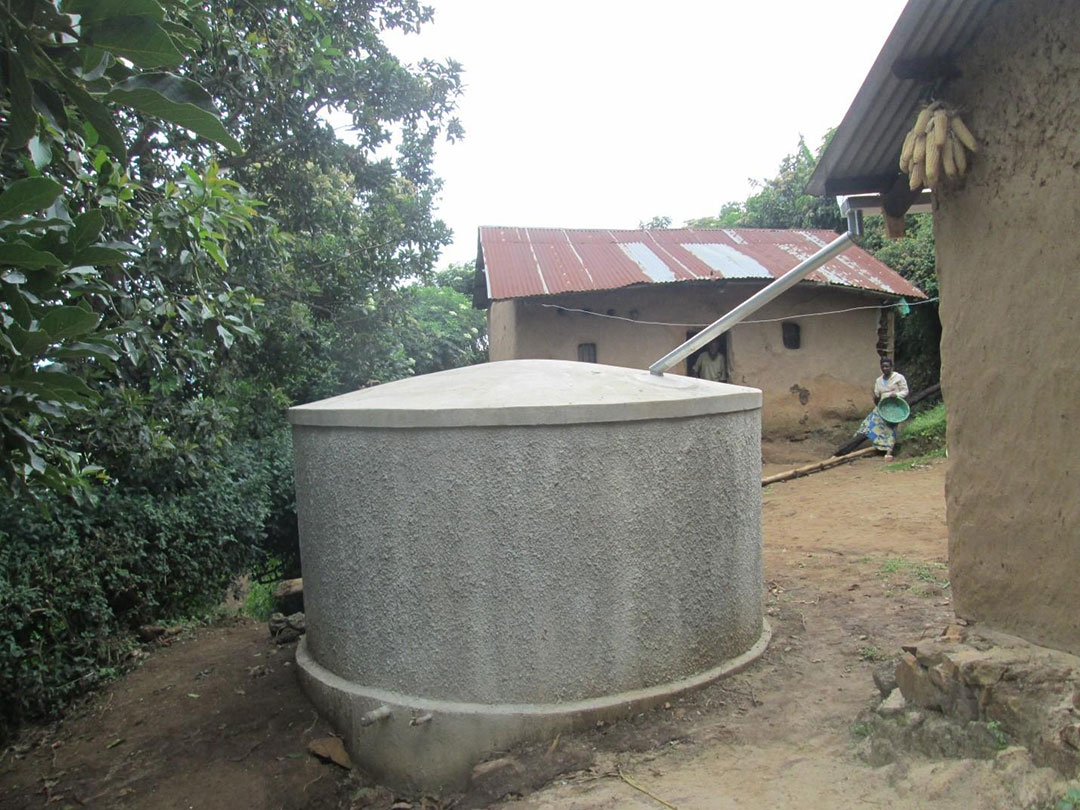
Concrete reservoirs offer large storage capacity and strong structural stability. However, their construction usually requires:
In addition, once completed, concrete reservoirs:
For large-scale projects and applications requiring higher water quality, modern modular water tanks provide significant advantages.
| Comparison Item | Modular Water Tank | Large Plastic Water Tank | Concrete Reservoir |
|---|---|---|---|
| Structure | Standardized panel assembly structure, assembled on-site | One-piece molded structure, usually cylindrical | Reinforced concrete constructed on-site |
| Capacity Range | 8m³–1000m³+, expandable | Usually 0.5m³–50m³ | Large storage capacity available |
| Installation Method | Modular square panels assembled on-site | Delivered as complete units and installed directly | Requires civil construction |
| Construction Period | Short, usually completed within days to 2 weeks | Fast installation | Long construction period |
| Installation Flexibility | High, dimensions can be adjusted according to site conditions | Fixed sizes with limited options | Cannot be easily adjusted after construction |
| Capacity Expansion | ★★★★★ Add panels for expansion | ★★ Add additional tanks | ★ Difficult to expand |
| Relocation & Reuse | Can be dismantled, relocated, and reused | Large tanks are difficult to move | Cannot be dismantled or reused |
| Application Environment | Urban, industrial, agricultural, remote areas, overseas projects | Homes, small farms, temporary storage | Permanent fixed projects |
| Corrosion Resistance | Available in GRP/FRP, HDG, SS materials for different environments | Sensitive to UV exposure and may age over time | Concrete may develop cracks and leakage |
| Maintenance | Easy replacement and repair due to modular structure | Difficult overall maintenance | Complex crack repair |
| Overall Cost | Better long-term cost advantage | Low initial cost, suitable for small capacity | Higher initial construction cost |
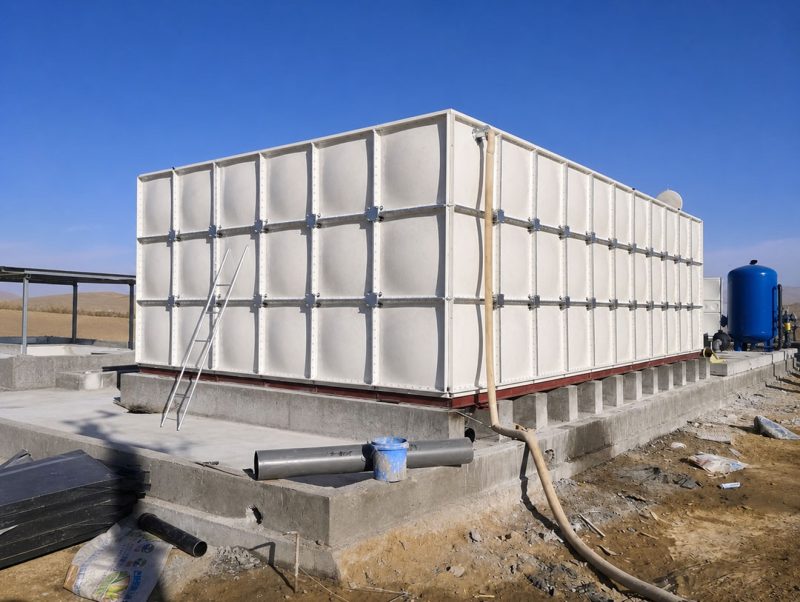
For rainwater harvesting systems, low cost and corrosion resistance are two key requirements. With its excellent overall performance, GRP/FRP water tanks are widely used in tropical and subtropical regions.
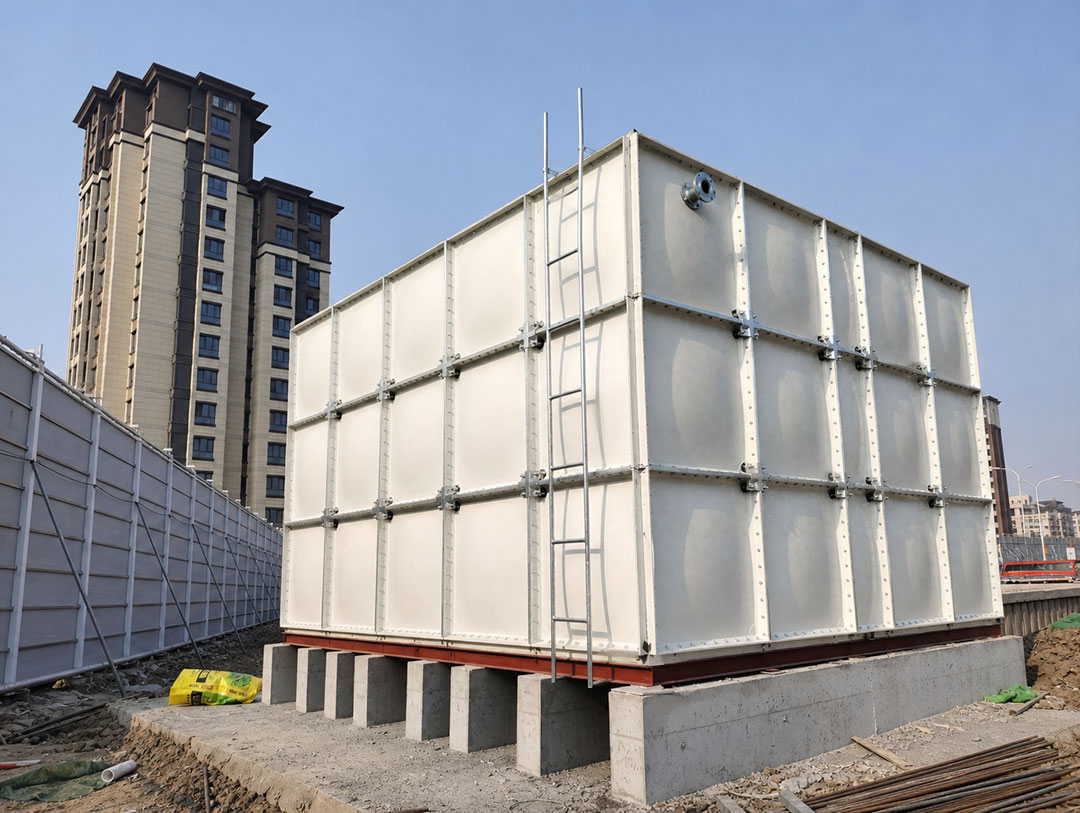
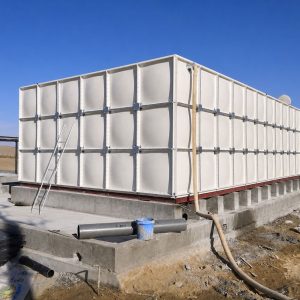
As shown in the comparison above, compared with plastic water tanks with limited capacity and concrete reservoirs with complex construction requirements, GRP modular water tanks offer faster installation, flexible capacity, excellent corrosion resistance, and easy expansion, making them an ideal storage solution for large-scale rainwater harvesting projects.
| Height | Bottom Board | Side 1 | Side 2 | Side 3 | Side 4 | Side 5 | Top board |
|---|---|---|---|---|---|---|---|
| 5000 mm | 20 mm | 20 mm | 16 mm | 14 mm | 12 mm | 10 mm | 5 mm |
| 4500 mm | 20 mm | 20 mm | 16 mm | 14 mm | 12 mm | 10 mm | 5 mm |
| 4000 mm | 18 mm | 18 mm | 14 mm | 12 mm | 10 mm | 5 mm | |
| 3500 mm | 16 mm | 14 mm | 12 mm | 10 mm | 8 mm | 5 mm | |
| 3000 mm | 14 mm | 14 mm | 12 mm | 8 mm | 5 mm | ||
| 2500 mm | 12 mm | 12 mm | 10 mm | 8 mm | 5 mm | ||
| 2000 mm | 12 mm | 10 mm | 8 mm | 5 mm | |||
| 1500 mm | 10 mm | 10 mm | 8 mm | 5 mm | |||
| 1000 mm | 10 mm | 10 mm | 5 mm |
| Physical Property | Standard Requirement | Test Result |
|---|---|---|
| Tensile Strength | ≥60 MPa | 66.5 MPa |
| Flexural Strength | ≥120 MPa | 184 MPa |
| Flexural Modulus | ≥10 GPa | 12.8 GPa |
| Barcol Hardness | ≥60 HBa | 63.9 HBa |
| Water Absorption | ≤0.5% | 0.13% |
| Glass Fiber Content | ≥25% | 29% |
During industrial production, factories usually require large amounts of auxiliary water. Although collected rainwater may not be suitable for direct drinking, it can be used for:
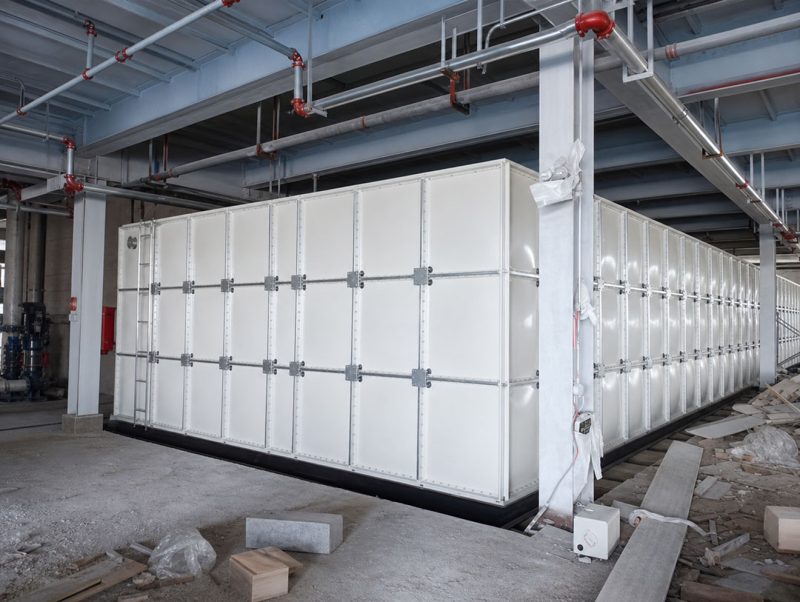
Large modular sectional water tanks can fully meet the long-term and stable water storage requirements of factories.
Public buildings generate a large demand for non-potable water every day. After filtration and treatment, harvested rainwater can be used for:
This one-time investment can effectively reduce daily water costs and improve water resource utilization efficiency.
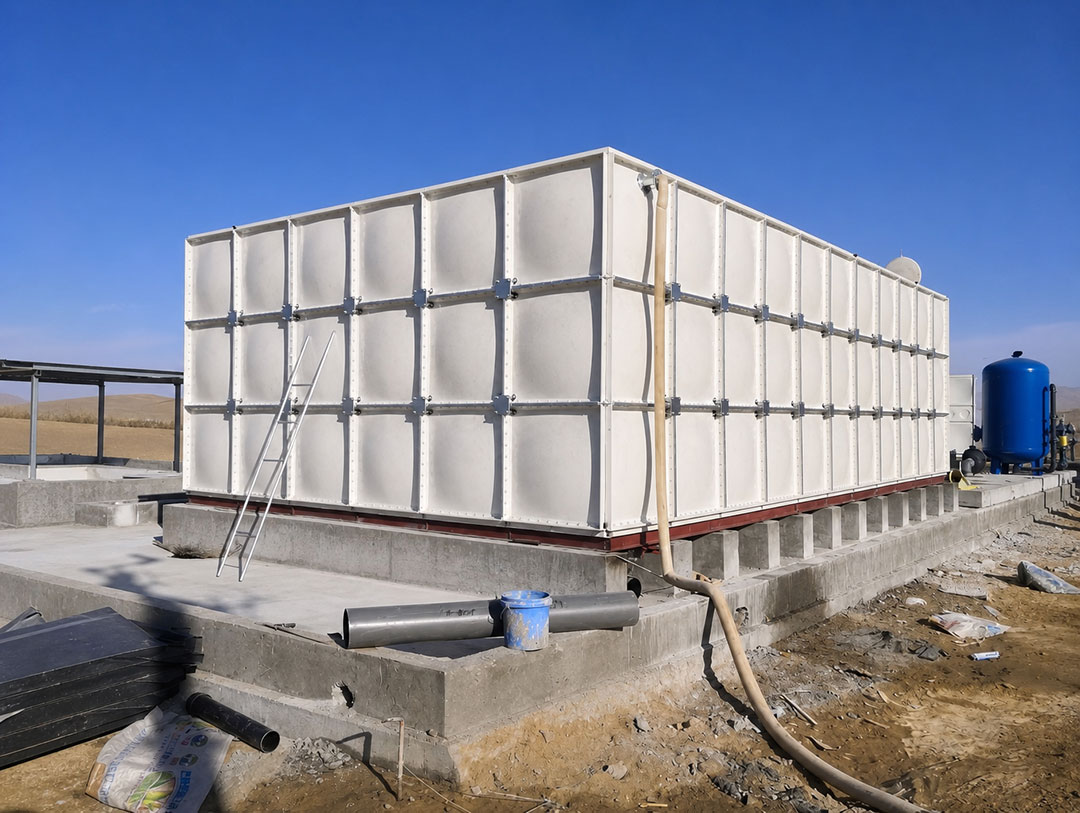

Modern residential communities are paying increasing attention to water-saving designs. Rainwater harvesting systems can be used for:
Agriculture is one of the most important applications for rainwater harvesting and also one of the largest water-consuming sectors.
Water tanks can store excess rainfall during the rainy season and provide irrigation water during dry periods.
Applications include:
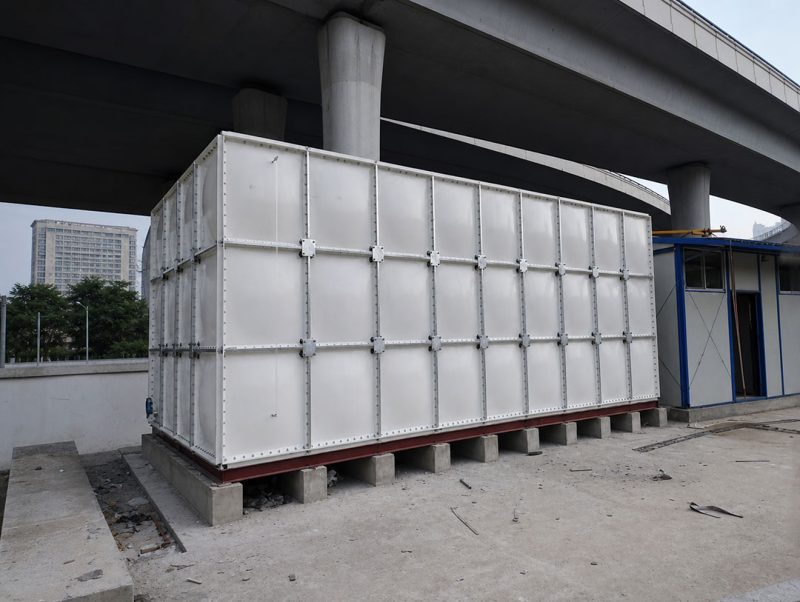
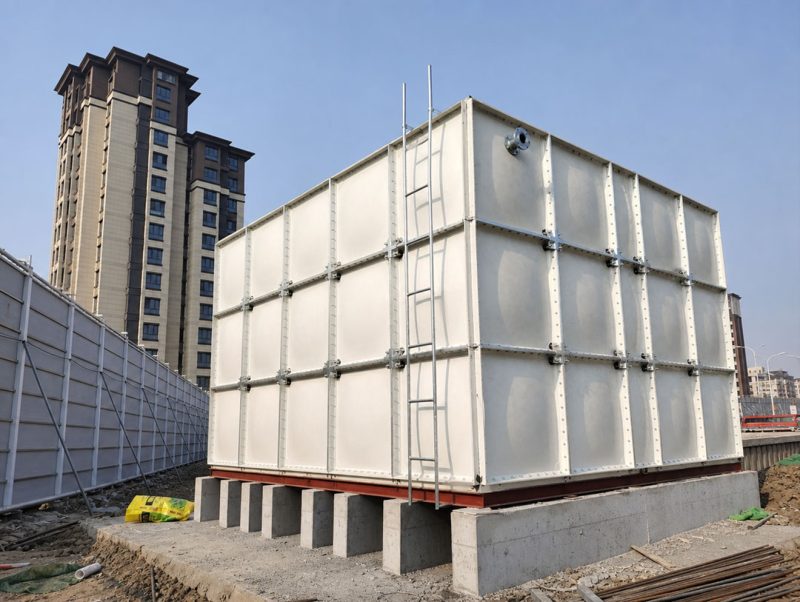
Whether for rural water supply projects in Africa, industrial parks in Southeast Asia, or urban stormwater management systems in the Middle East, modular water tanks provide a more flexible and efficient rainwater storage solution.
As global attention toward water recycling and sustainable water management continues to increase, modular rainwater harvesting tanks will play an increasingly important role in:
| Product Name | Fiberglass Water Tank, FRP Water Tank, GRP Water Tank |
|---|---|
| Material | FRP, GRP |
| Grade | Food Grade |
| Origin | China |
| Color | white |
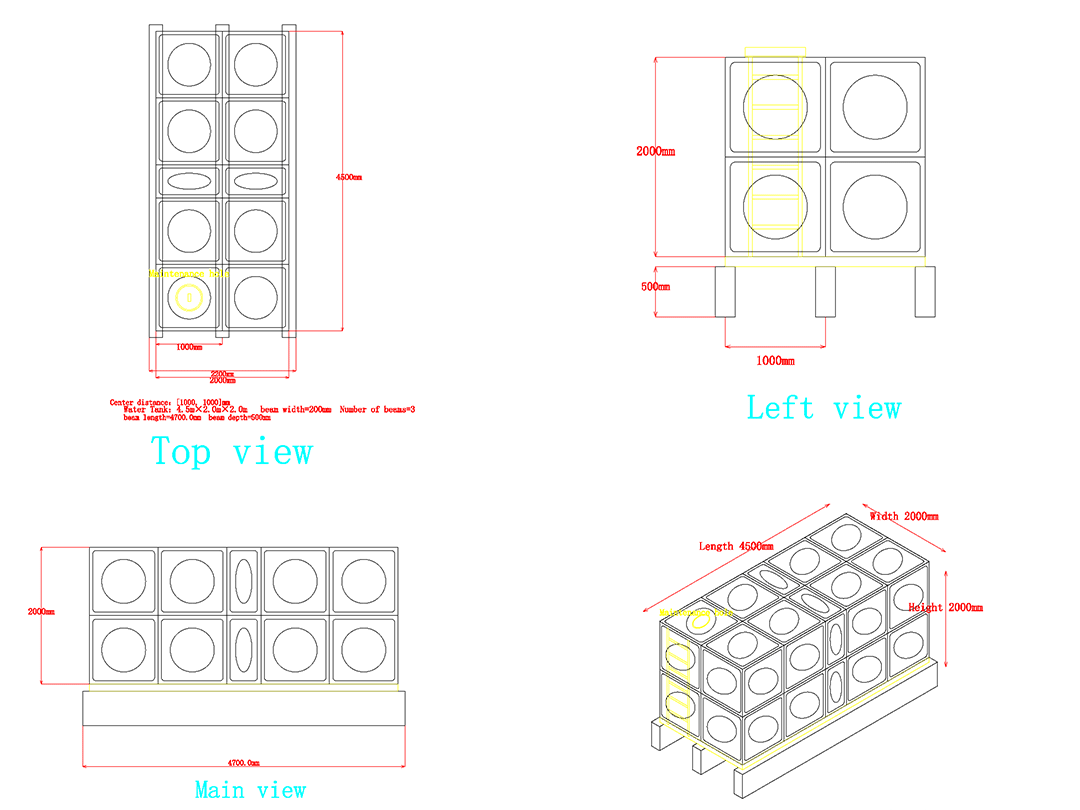
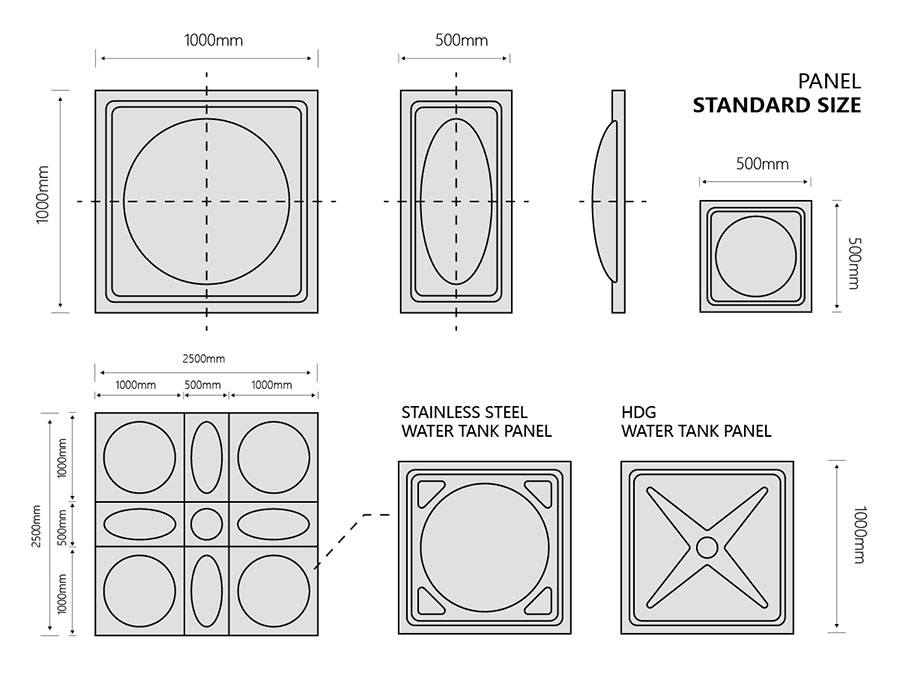
| Panel Size | 0.5*0.5m, 1*0.5m, 1*1m, 2*1m |
| Panel thickness | From 5mm to 24mm |
| Certification | ISO3834, ISO9001 |
| HS Code | 730990 |
| Capacity | 1000Litres -Infinity |
| Foundation | Concrete Foundation, U-Steel Bottom Bas |
| Installation | Sitting Type, Welding |
| Production Capacity | 2000Ton/Month |
| Transport Package | Pallet Box, Plywood Pallet, Steel Frame |
| Sample | Provided |
| After-Sale Service | Online Technical Support |
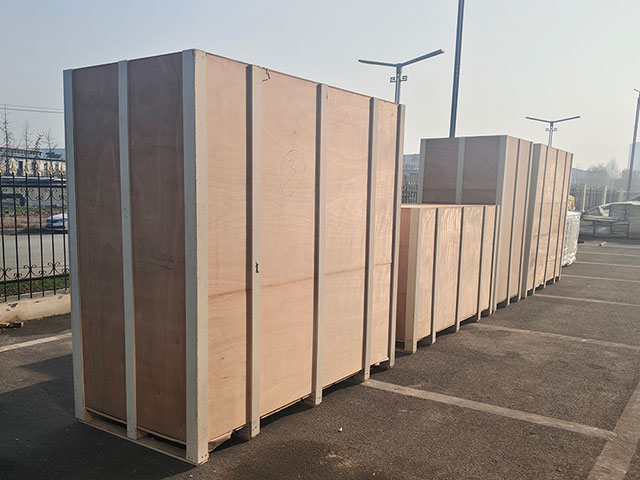
Water Tank Panel Packaging 1
Plywood Box
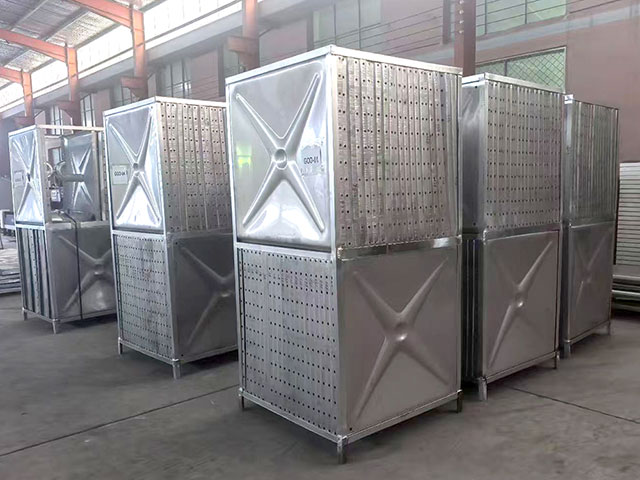
Water Tank Panel Packaging 2
Steel Frame Support
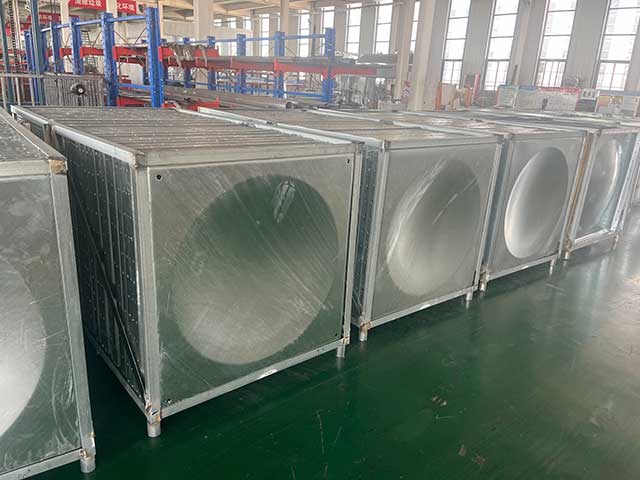
Water Tank Panel Packaging 3
HDG
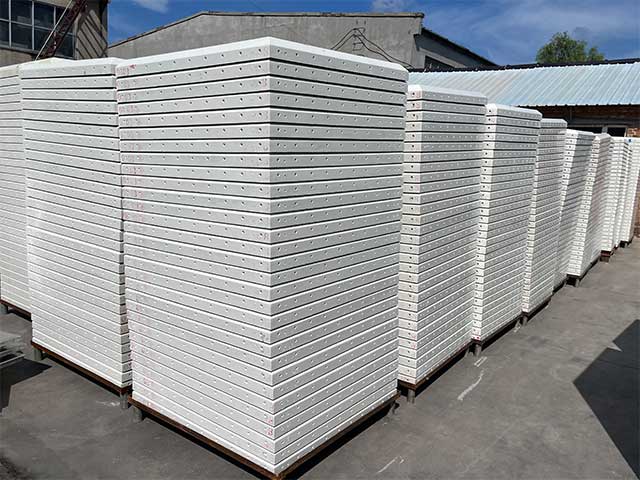
Water Tank Panel Packaging 4
GRP/FRP
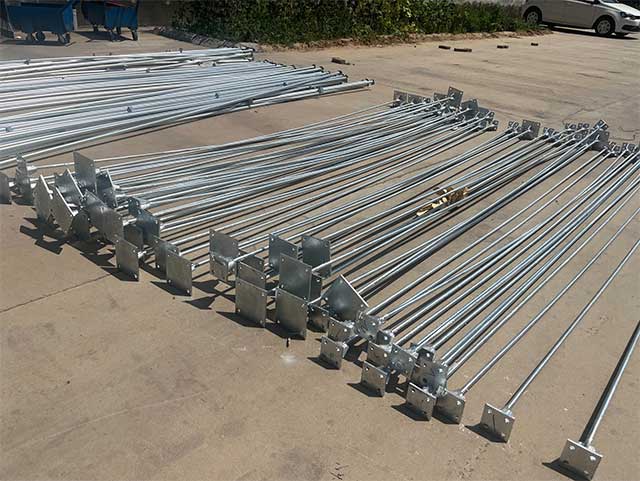
Large Components
Loose Packing
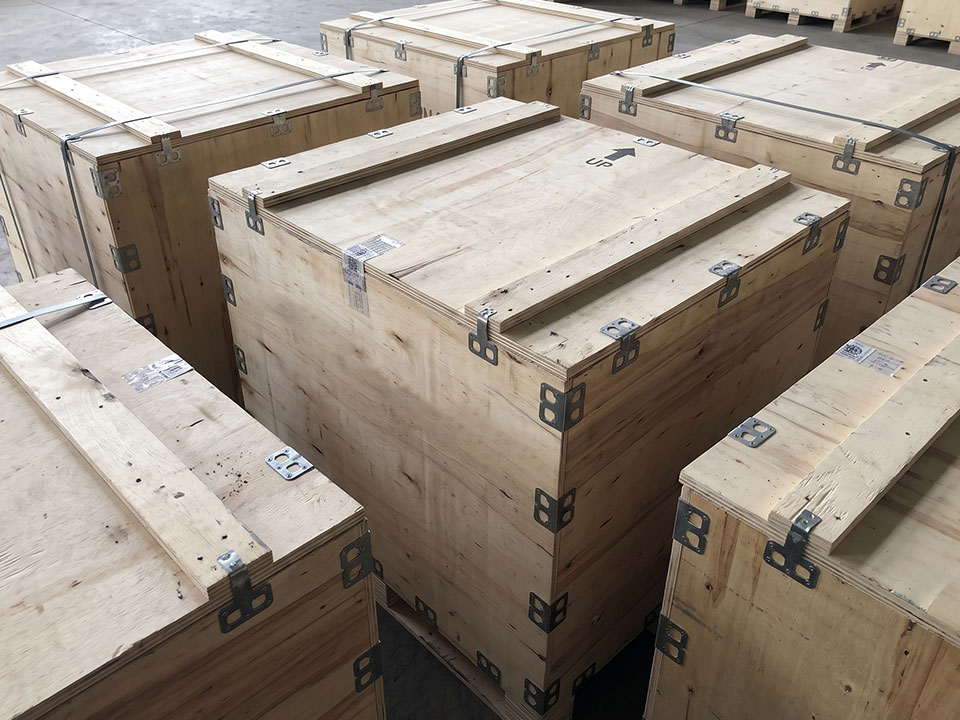
Small Accessories Packaging
Plywood Box
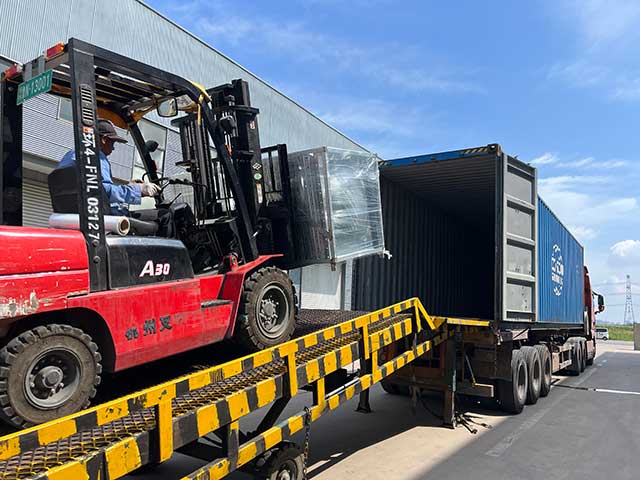
Full Container Shipment
Steel Frame Packaging
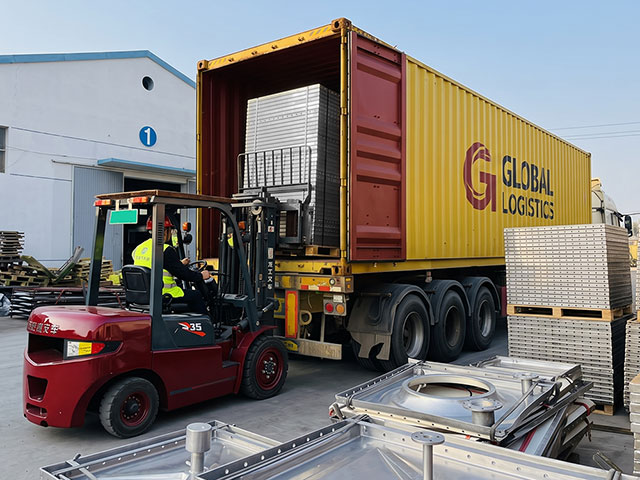
Full Container Shipment
Simple Packaging
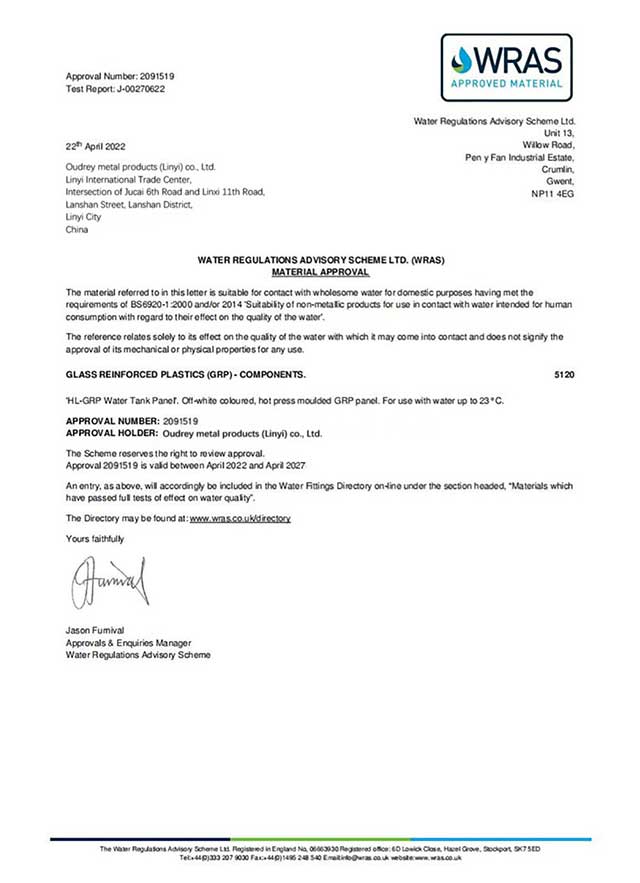
Our water tank products are designed and manufactured in strict accordance with domestic and international standards and have passed multiple industry-recognized certifications, including ISO 9001 Quality Management System certification, food-grade stainless steel material standards (SUS304 / SUS316), and drinking water safety-related certifications.
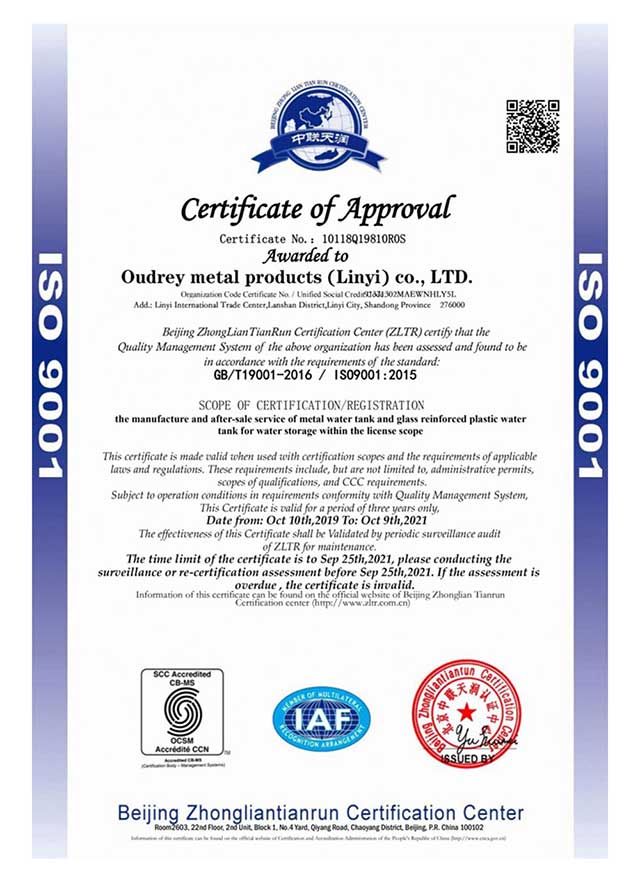
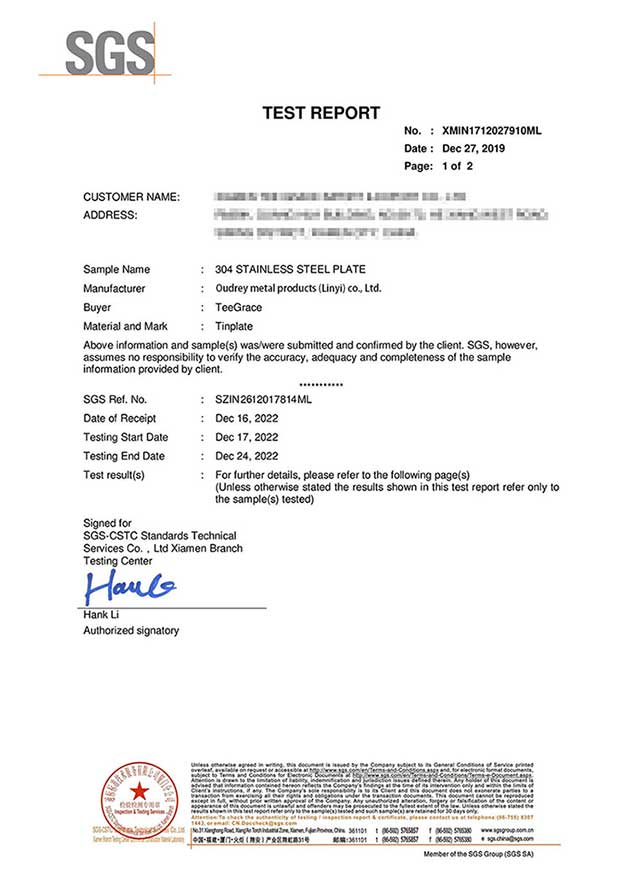

The product information provided above may not be detailed or accurate enough. Please refer to actual communication for specific details. You are welcome to contact us!
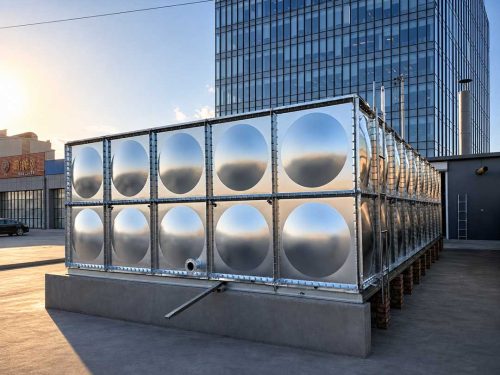
HDG water tanks are designed for high-rise…
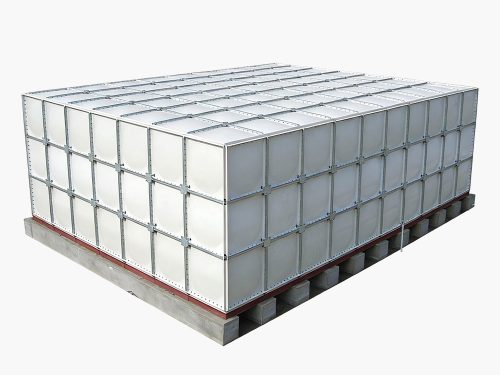
Fiberglass water tanks are advanced water storage…
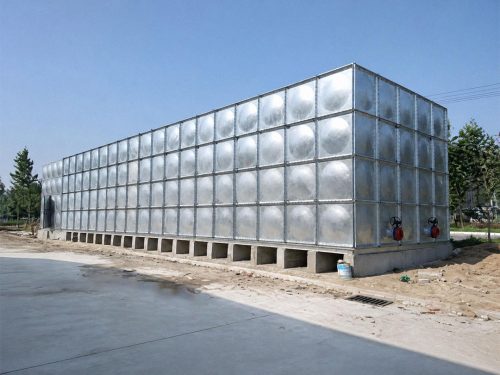
Water treatment plants, purified water systems, and…
Discover the differences between BDF, GSC, and…
Reviews
There are no reviews yet.