Email: info@oudreywatertank.com
Whatsup: +86159 1014 5521
Underground BDF water tank installation guide: site assessment, modular installation process, applications, maintenance and smart upgrades.
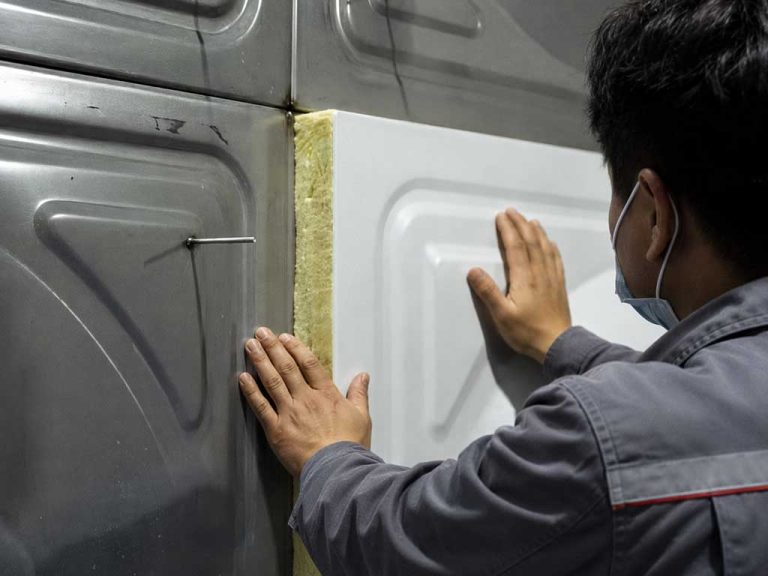
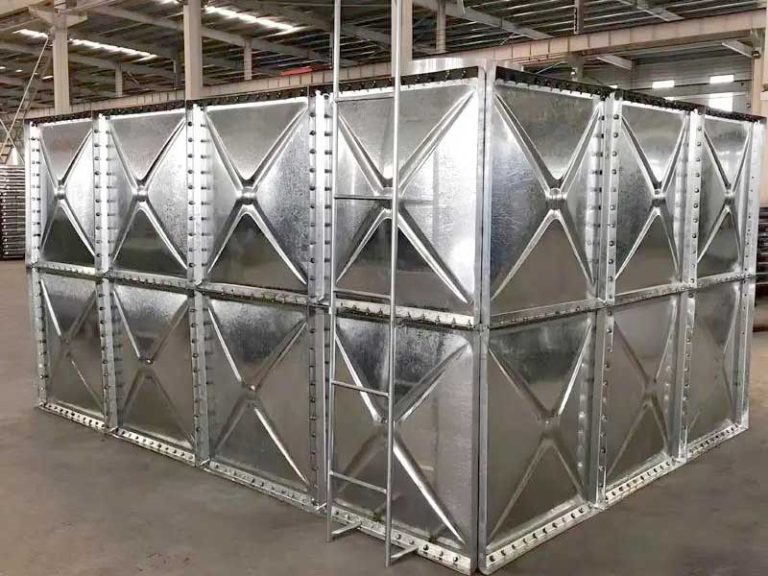
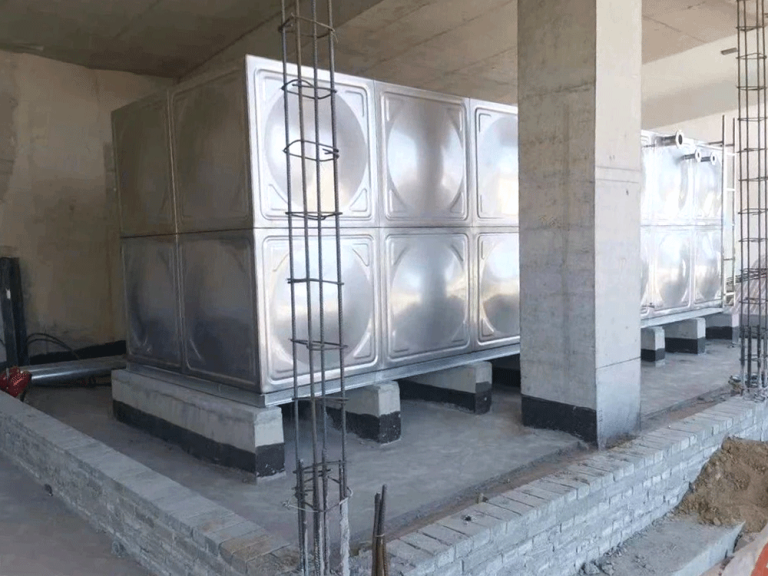
Underground BDF water tank systems are widely used in modern construction due to their durability, space-saving design, and strong structural performance. A BDF water tank is a modular storage system made from a combination of stainless steel (typically SUS304) and hot-dip galvanized steel (BDF = Stainless Steel + Galvanized Steel Composite). The inner layer uses food-grade stainless steel to ensure water safety and corrosion resistance, while the outer galvanized steel layer provides structural strength and support.
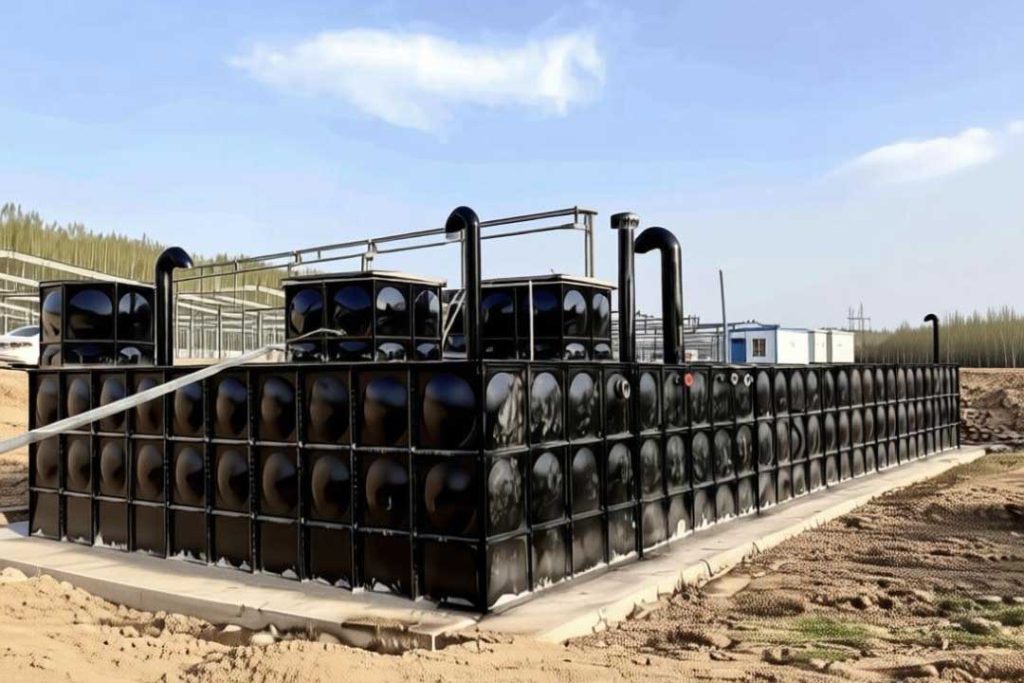
With the rapid development of urban infrastructure and industrial projects, underground water tanks have become an essential solution for water supply and fire protection systems, thanks to their concealed installation and efficient land use.
Although BDF water tanks are structurally strong, not all sites are suitable for underground installation. Careful evaluation is required in the following conditions:
These factors can significantly increase construction difficulty, anti-corrosion costs, and long-term operational risks. Therefore, professional geological surveys and technical-economic comparisons are essential before installation.
Underground BDF water tanks are widely used in:
Despite low maintenance requirements, regular inspection is necessary:
Proper maintenance ensures long service life and safe operation.
The underground BDF water tank industry is evolving toward smarter and greener solutions, including:
Choosing advanced technologies can improve efficiency, sustainability, and overall user experience.