Email: info@oudreywatertank.com
Whatsup: +86159 1014 5521
Water tanks should be cleaned at least every 6 months to prevent contamination, ensure safe water quality, and protect public health.
Is your water supply tank really clean?This is a question that is drawing increasing attention.
Residential communities, schools, and hospitals are essential parts of daily life, where higher standards are required for the stability and safety of water supply systems. However, water tanks are often “out of sight and out of control.”
👉 Preventing secondary water contamination and ensuring safe water supply must be considered in design, installation, and especially maintenance.Long-term lack of cleaning and poor management are the root causes of water quality problems.
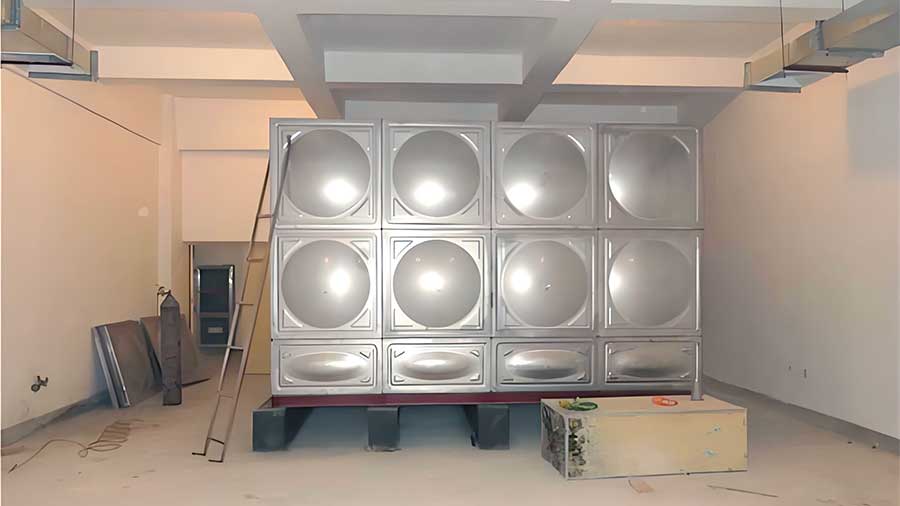
Some tanks are oversized or have improperly designed inlet and outlet pipes, resulting in poor water circulation and stagnant areas.
👉 Result: Residual chlorine dissipates, allowing bacteria and microorganisms to grow rapidly.
Traditional steel or low-quality tanks are prone to rust. Rust particles and heavy metals (such as lead and copper) may dissolve into the water.
👉 Impact: Directly affects water safety and poses long-term health risks.
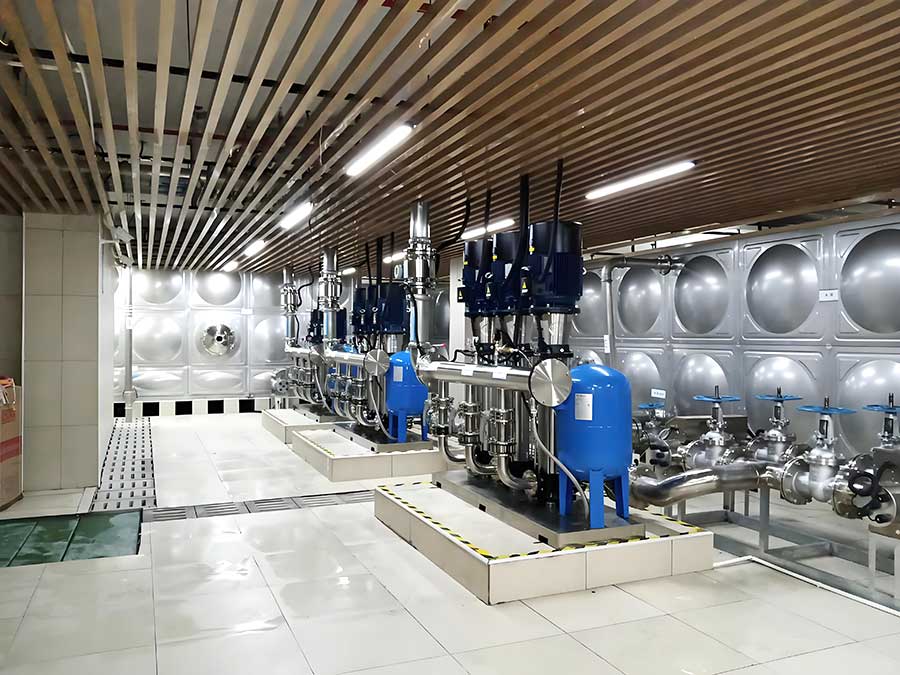
Some facilities fail to follow standard maintenance practices:
👉 Consequences: Backflow contamination, mosquito breeding (red worms), and serious hygiene risks.
To ensure water safety, a standardized maintenance system is essential:
👉 Recommendation: At least once every 6 months
👉 These methods help avoid chemical residue from traditional disinfection.
Water quality must be tested after cleaning to ensure compliance with relevant standards.
⚠️ Water supply should only resume after passing inspection.
In addition to regular cleaning, optimizing from the source is highly recommended:
👉 Transition from “passive cleaning” to “proactive management” is the long-term solution.
A water supply tank is not just a container—it is a critical infrastructure that requires regular cleaning and scientific management.