Email: info@oudreywatertank.com
Whatsup: +86159 1014 5521
Learn how civil defense water tanks support fire safety, emergency supply, and post-war rebuilding in the Middle East.
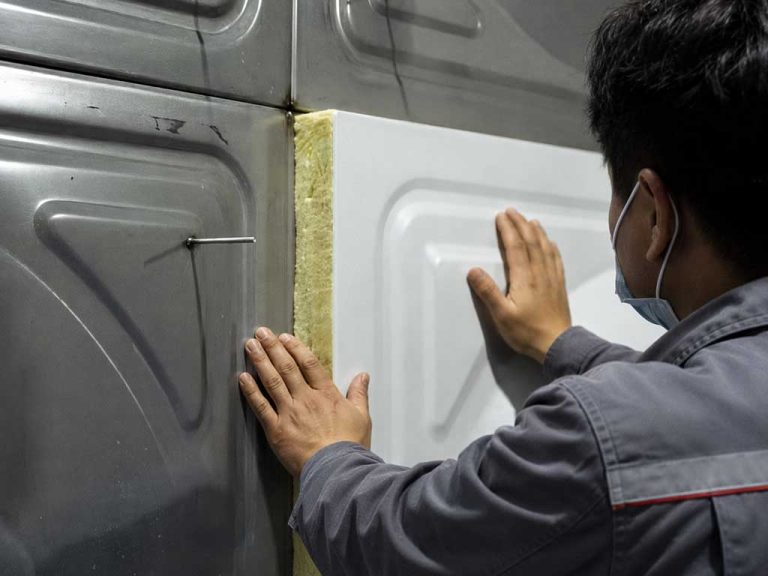
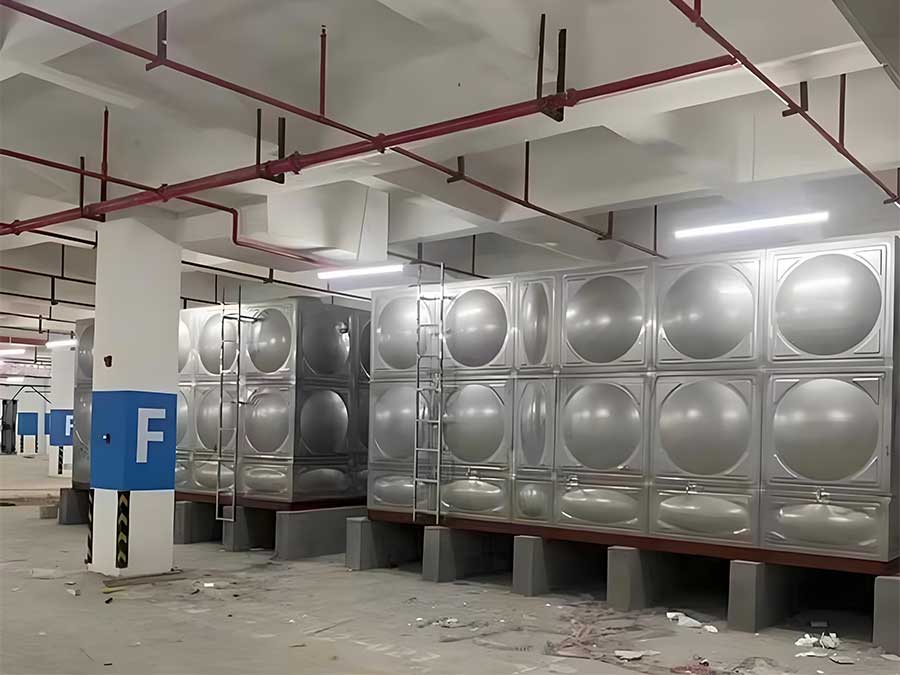
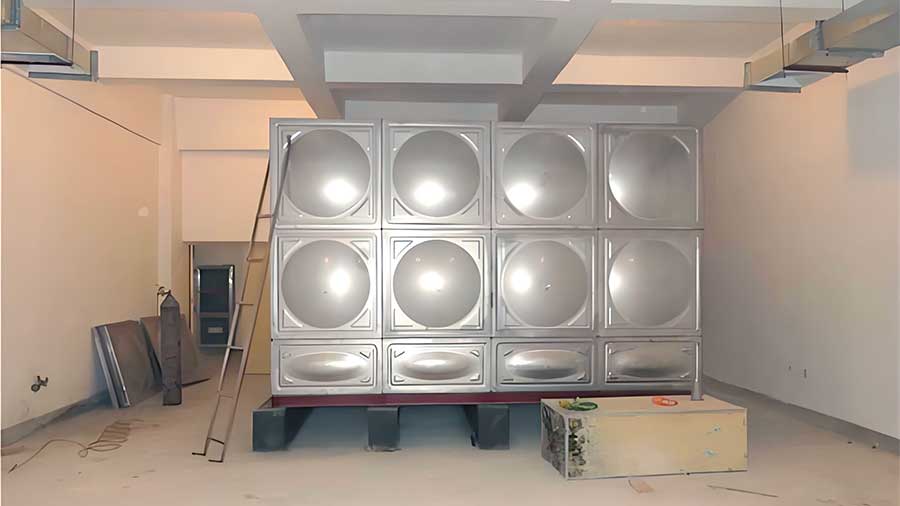
A civil defense water tank is a specialized water storage facility used in residential civil defense projects and building fire protection systems. It is a standard component in modern construction, serving both emergency water supply during wartime and daily fire protection needs.
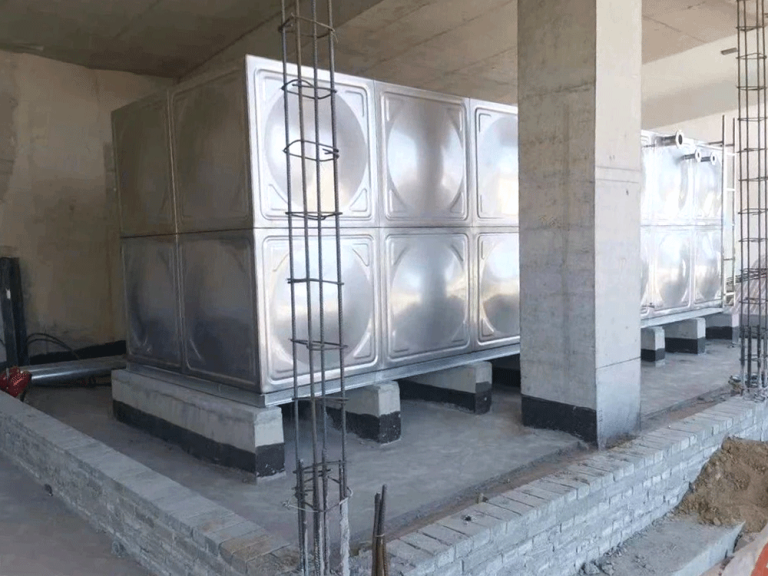
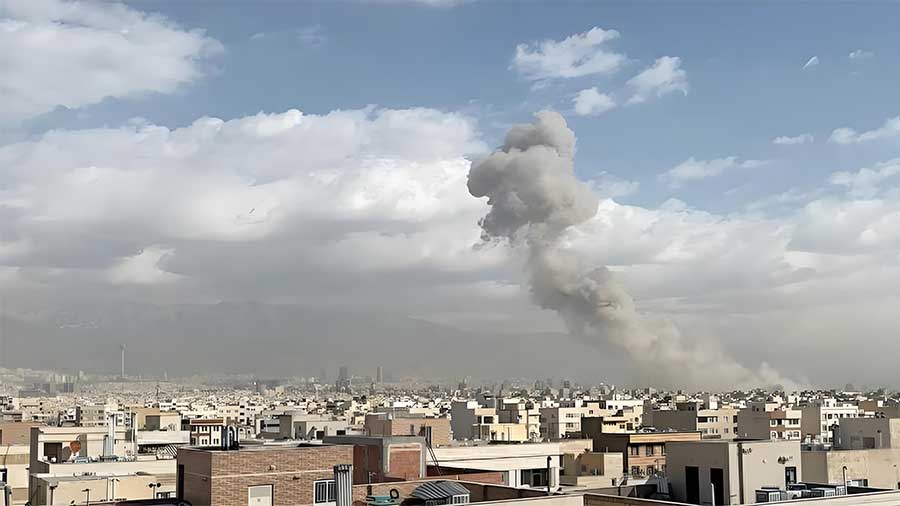
In large-scale or high-standard projects, these tanks are typically installed in underground civil defense areas or dedicated equipment rooms. Under normal conditions, they operate alongside fire protection systems. However, during disasters or wartime, they become a critical emergency water source.Water is more valuable than oil in times of war.
A civil defense water tank acts as the primary water source in fire protection systems. Its key functions include:
In many cases, it determines whether a fire can be controlled effectively in its early stages.
During emergencies, civil defense water tanks provide:
With features such as explosion-proof, anti-contamination, and sealed design, they ensure safe water supply even in extreme conditions, making them essential for survival and public safety.
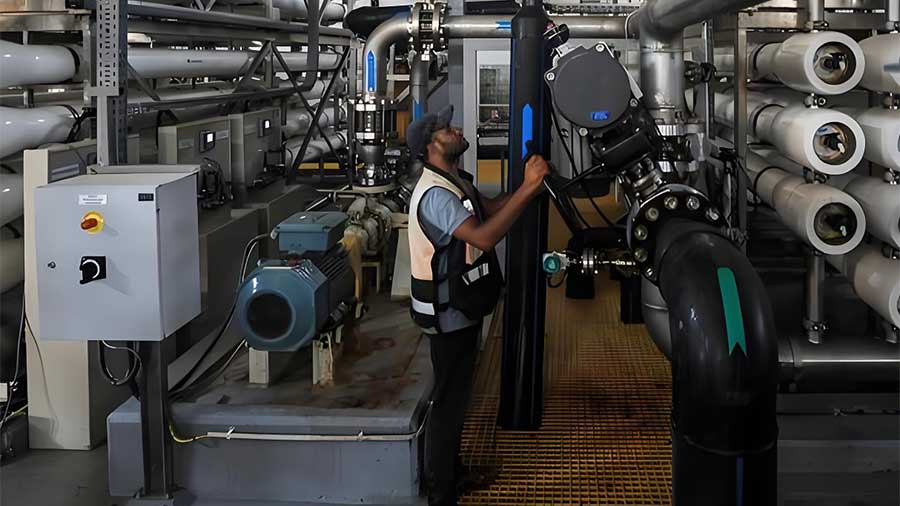
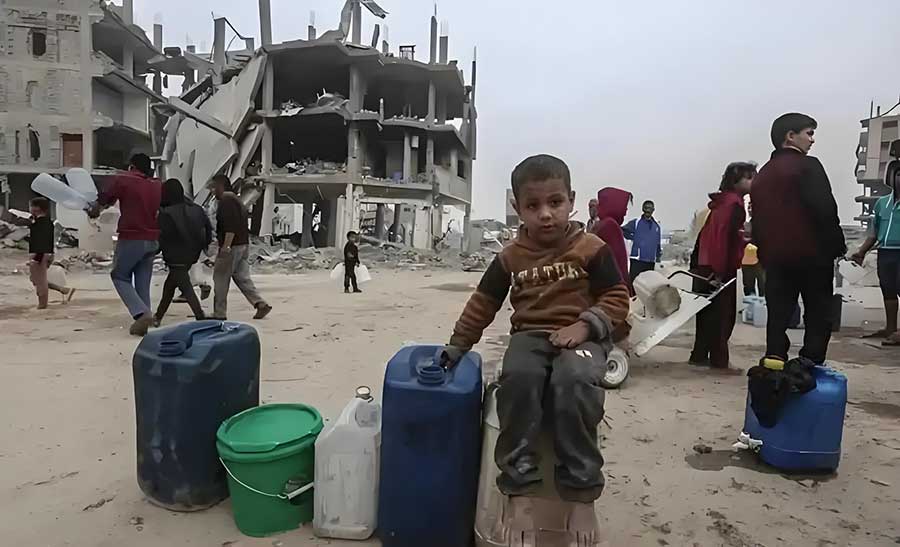
In recent years, demand has grown significantly due to regional conflicts and instability:
👉 Especially in post-war recovery, water tanks are essential for restoring basic living conditions.
Water tanks are among the highest-priority infrastructure in reconstruction projects because:
👉 Simply put: restoring water supply = restoring city functionality
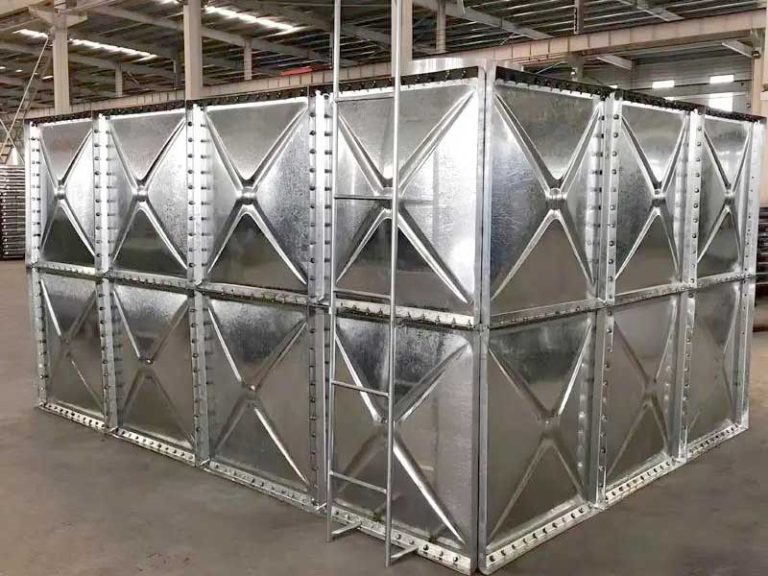
Common materials include:
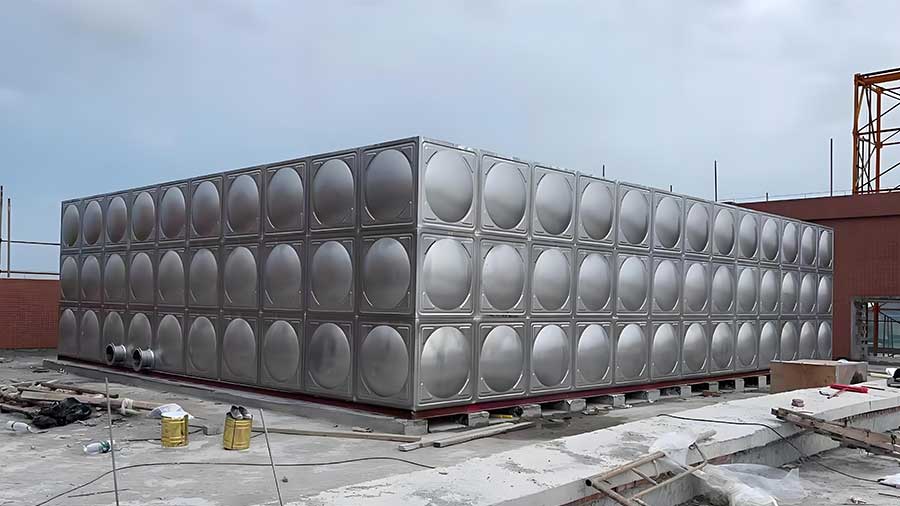
Recommended for the Middle East: Stainless steel (especially SUS316)
Advantages:
Proper maintenance ensures long-term reliability:
Daily: Check water level, valve status, and water quality
Monthly: Inspect corrosion, leakage, pipelines, and valves
Quarterly: Conduct water quality testing and system checks
Annually: Perform structural inspection and component testing
They are widely used in:
👉 In the Middle East and post-war regions, they are also used in:
Civil defense water tanks are not just fire protection equipment—they are a critical part of urban safety and emergency infrastructure.
In regions facing instability and reconstruction challenges, especially in the Middle East:
👉 “Restoring water supply means restoring life and city functionality.”
Of course, fiberglass tanks and galvanized tanks are also common types and are more cost-effective, but stainless steel tanks better meet drinking water standards.