Email: info@oudreywatertank.com
Whatsup: +86159 1014 5521
Compare FRP and GRP water tanks by material, strength, applications, and global trends to choose the right storage solution.
In modern water storage solutions, FRP and GRP water tanks have become mainstream choices across municipal, industrial, and commercial sectors due to their corrosion resistance, high strength, and low maintenance requirements.
FRP refers to a broader category of fiber-reinforced plastics, offering flexible design and strong adaptability. GRP, on the other hand, specifically uses glass fiber reinforcement and stands out for its superior durability and tensile strength. As a result, GRP tanks are widely used in drinking water storage, chemical containment, and the food and beverage industry.
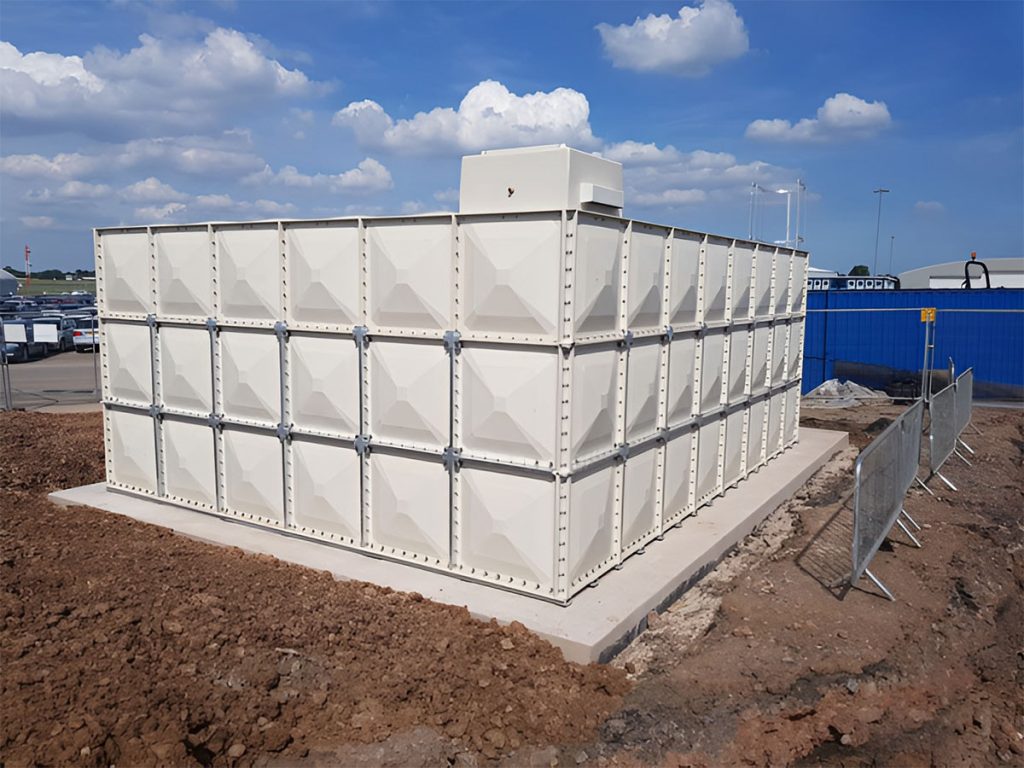
With global industrial upgrading, accelerated urbanization, and growing demand for sustainable water resource management, the use of FRP and GRP water tanks continues to expand worldwide. Selection can generally follow two clear paths:
By combining material performance with reliable source-factory customization capabilities, companies and project owners can achieve safer, more efficient, and long-term water storage solutions.
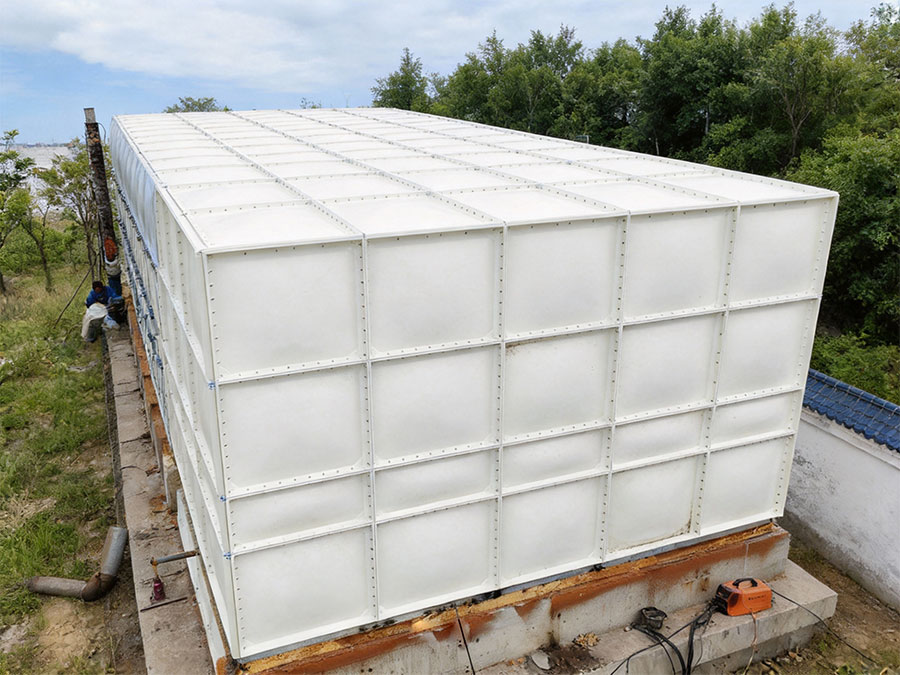
FRP water tanks are composite structures made of polymer matrices (such as epoxy, polyester, or vinyl ester) reinforced with fibers. Depending on application requirements, glass fiber or other reinforcement fibers can be selected to balance strength, chemical resistance, and cost.
FRP tanks are suitable for a wide range of industrial and residential applications, with source factories typically offering customized production for capacity, structure, and connection interfaces.
GRP water tanks are a specialized type of FRP that strictly use glass fiber as the reinforcing material. Their key advantages include high tensile strength, excellent structural stability, and long-term durability, making them ideal for applications with strict water quality and safety requirements.
Through source-factory manufacturing, GRP tanks can be customized in size, shape, and auxiliary components according to project needs.
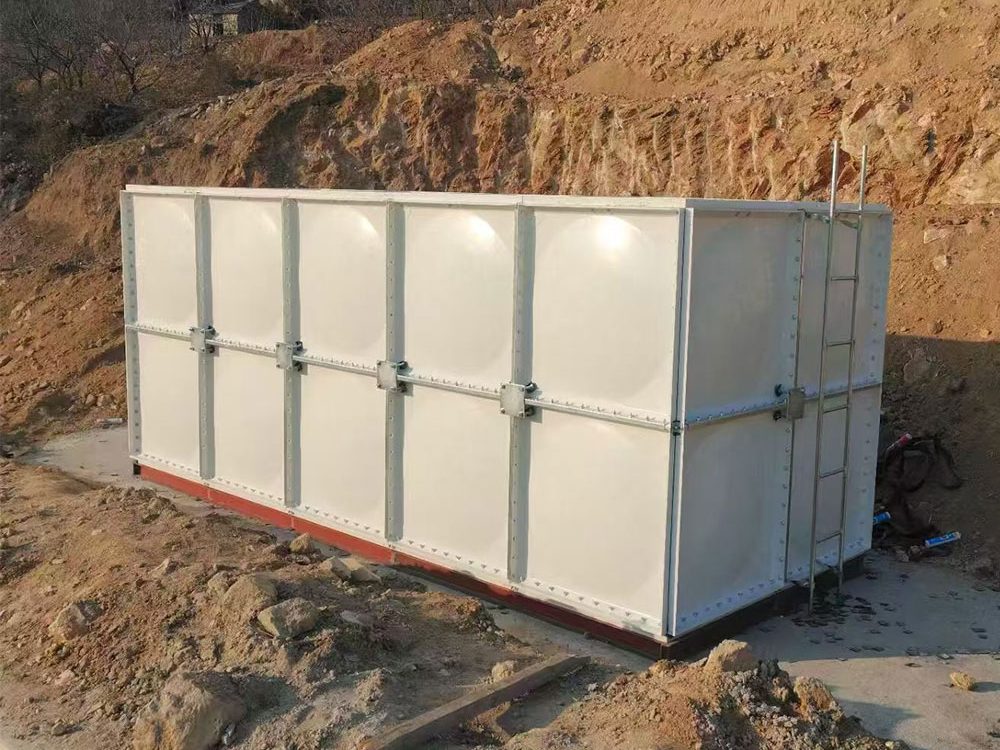
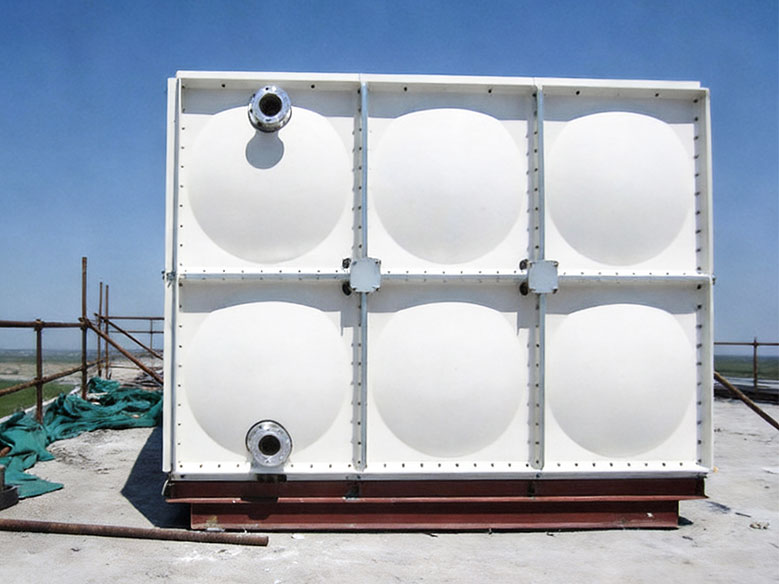
With strict regulations and standards for drinking water safety and long-term durability, GRP water tanks are widely adopted. FRP tanks continue to grow in community and industrial projects due to ease of installation and low maintenance costs.
High temperatures, sand, and corrosive environments highlight the advantages of GRP tanks in heat resistance and structural stability.
Rapid infrastructure development drives extensive use of FRP and GRP tanks in municipal, water treatment, agricultural, and manufacturing projects.
Seasonal rainfall and flood risks increase demand for lightweight FRP tanks and modular GRP systems.