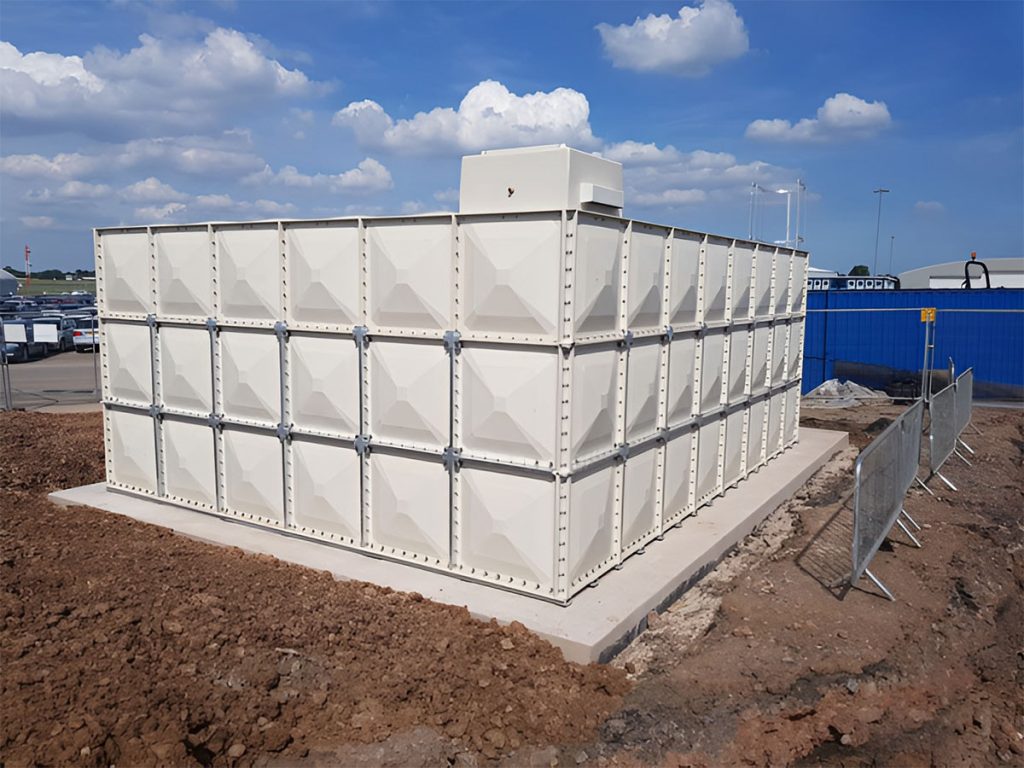
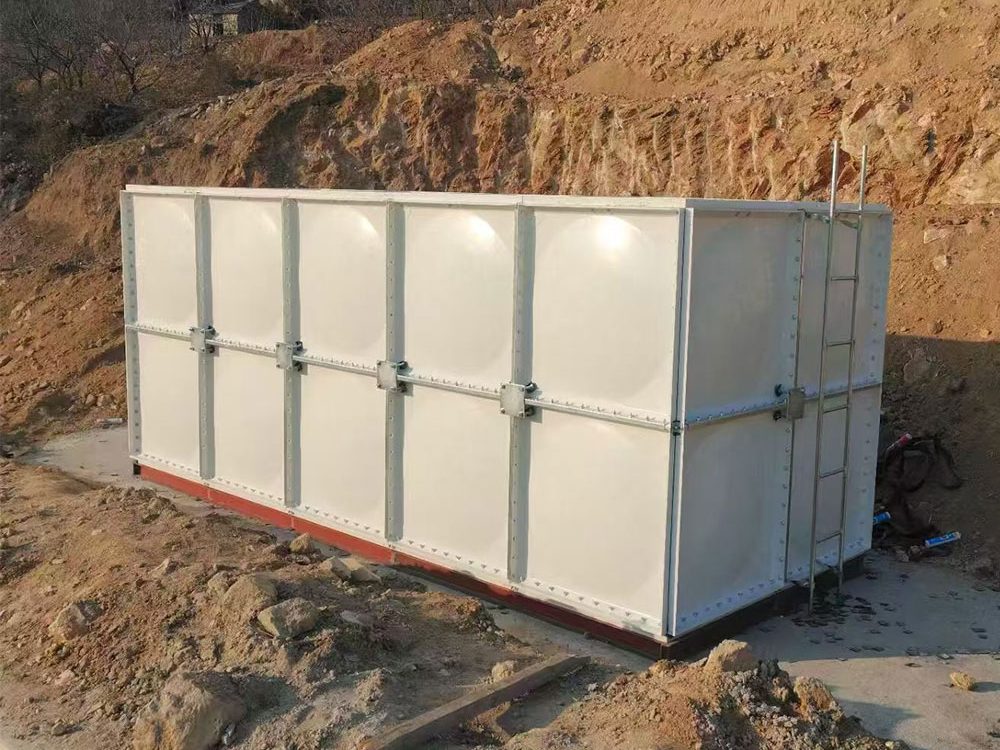
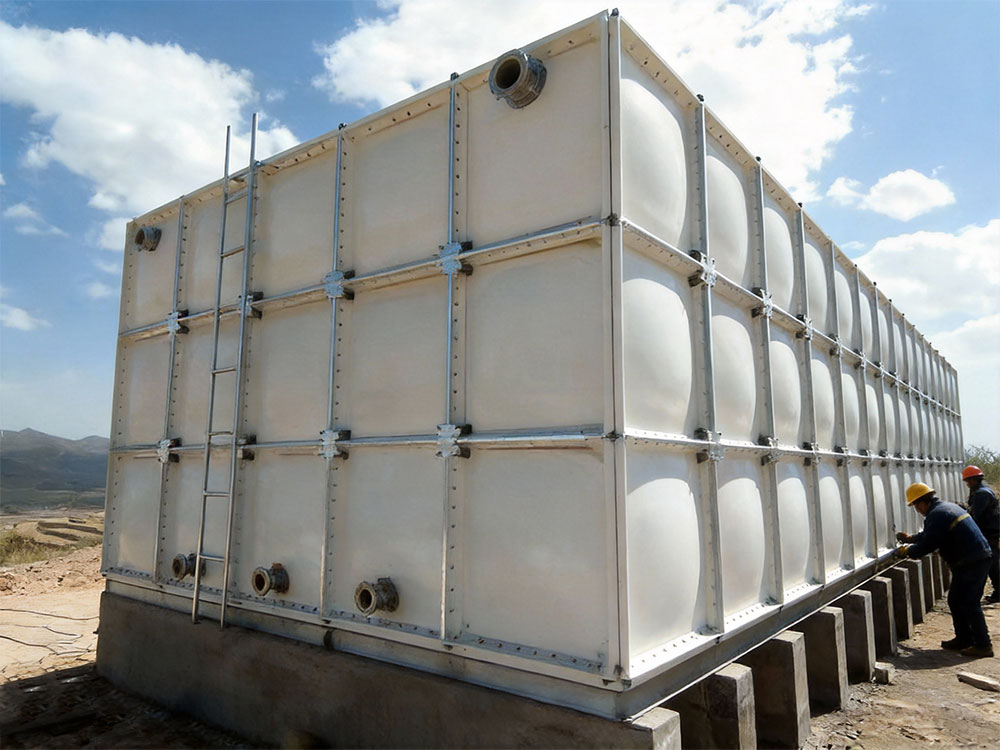
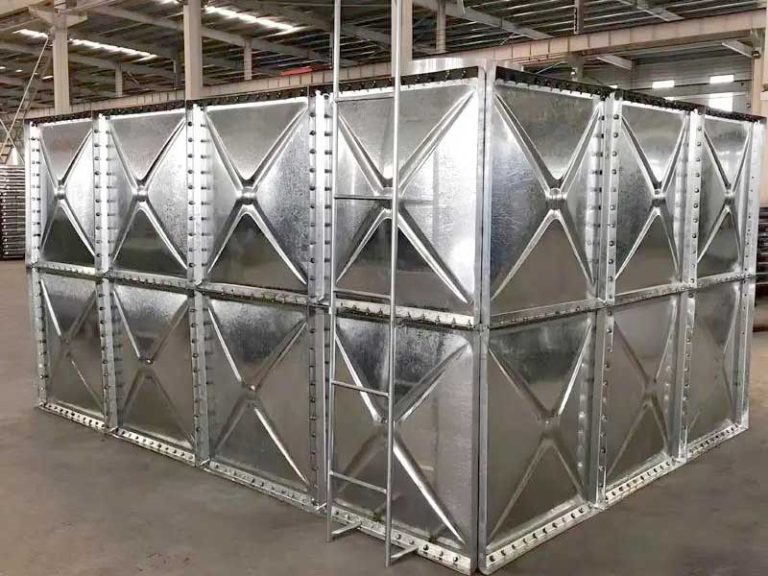
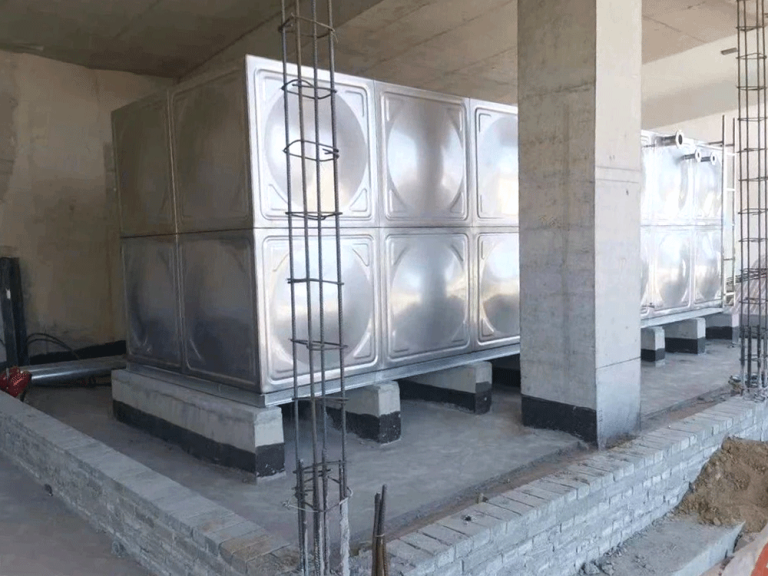
Fibreglass tanks, also known as FRP (Fiberglass Reinforced Plastic) tanks, are widely used in water storage, chemical processing, wastewater treatment, and other industrial applications. Their corrosion resistance, lightweight construction, and customizable design make them an ideal alternative to steel or concrete tanks. However, careful evaluation is necessary before selecting fibreglass tanks to ensure long-term reliability.
Here’s the conclusion directly:
Buyer Considerations / When to Be Cautious
Fibreglass tanks may not be suitable in the following scenarios:
Superior Corrosion Resistance Fibreglass tanks provide excellent resistance to rust and chemical corrosion, ideal for storing acids, bases, and aggressive chemicals, and suitable for marine, coastal, and industrial environments.
Long Service Life and Durability Designed for long-term use, fibreglass tanks maintain structural integrity for decades under normal conditions. Resistant to moisture, UV radiation, and environmental stress, they often outlast traditional steel tanks with lower maintenance requirements.
Lightweight and Easy Installation Fibreglass tanks are significantly lighter than steel or concrete tanks, reducing transportation, installation, and foundation costs. Their weight advantage also facilitates handling in retrofit and remote projects.
Flexible Design and Customization Fibreglass tanks can be manufactured in various shapes, sizes, wall thicknesses, and nozzle configurations, offering fully customized chemical storage solutions and seamless integration into existing systems.
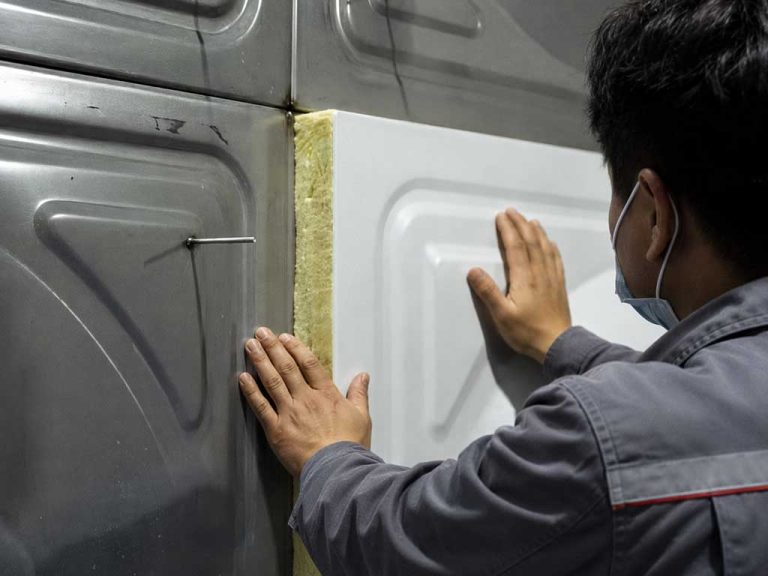
Excellent Thermal Insulation Fibreglass has low thermal conductivity, helping maintain stable internal temperatures. Compared to metal tanks, it reduces the need for extra insulation, lowering energy costs for temperature-sensitive applications.
Broad Chemical Compatibility By selecting the appropriate resin, fibreglass tanks can safely store a wide range of chemicals. Proper resin choice ensures chemical compatibility, operational safety, and long-term reliability.
Low Maintenance Requirements Fibreglass tanks require minimal maintenance. No painting, anti-corrosion coating, or cathodic protection is needed, reducing life-cycle costs.
Disadvantages of Fibreglass Tanks
Higher Initial Cost Fibreglass tanks generally cost more upfront than steel or polyethylene tanks. While they offer long-term maintenance savings, initial investment may be a consideration for budget-limited projects.
Susceptible to Impact Damage Fibreglass is strong but more vulnerable to localized impact damage than steel. Improper handling during transport or installation may cause cracks or punctures, affecting structural integrity.
Limited High-Temperature Performance Continuous high temperatures can weaken the resin matrix, reducing durability and service life. High-heat industrial processes may require alternative materials.
Resin Aging and UV Exposure Over time, exposure to UV light or aggressive chemicals can degrade resin, lowering mechanical strength and chemical resistance.
Complex Repairs Repairs require specialized skills and materials. Severe damage may necessitate full tank replacement, increasing costs.
Environmental and Recycling Challenges Fibreglass tanks involve resins and chemicals that are difficult to recycle, making disposal more challenging compared to metal tanks.
Factory-direct water tank manufacturer providing custom design, fast quotation, and reliable quality. Suitable for industrial, commercial, and engineering projects.