Email: info@oudreywatertank.com
Whatsup: +86159 1014 5521
Discover the differences between BDF, GSC, and SMC modular composite water tanks, including their structures, materials, performance, applications, and selection guide.
For professionals such as water tank distributors, pump and valve suppliers, and building water supply service providers, modular sectional water tanks may already be familiar products. However, for business owners or first-time buyers, different types of water tanks vary significantly in structure, materials, performance, and application. A lack of product knowledge often leads to wasted time and unnecessary costs.
Among them, composite water tanks are particularly confusing due to their complex structures and material combinations.
BDF, GSC, and SMC are three common types of composite water tanks widely used in fire protection, domestic water storage, and industrial water storage applications. So, what are the differences between them, and how should you choose the right one?
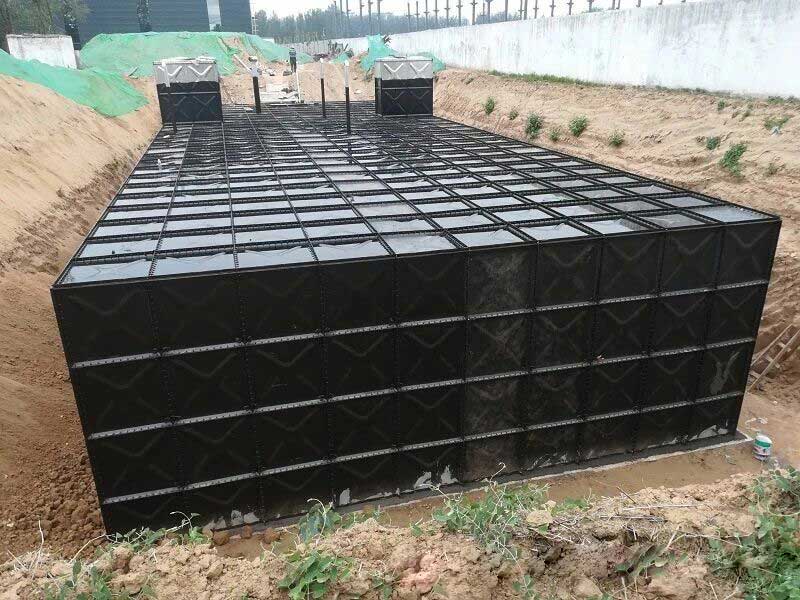
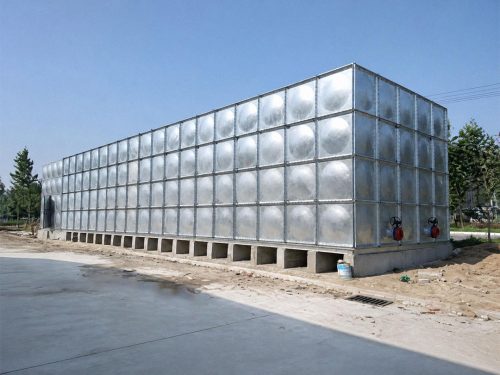
According to materials and installation methods, mainstream modular water tanks can generally be divided into:
Composite water tanks are developed based on the requirements of structural strength and application conditions. By combining different materials or structures, they integrate the advantages of various materials and improve the overall performance of traditional modular water tanks.
A Modular Composite Water Tank also adopts standardized modular panels. The tank panels and accessories are prefabricated in the factory and assembled on-site through bolted connections, allowing flexible customization for different capacities and installation requirements.
According to the combination method, composite water tanks are mainly divided into:
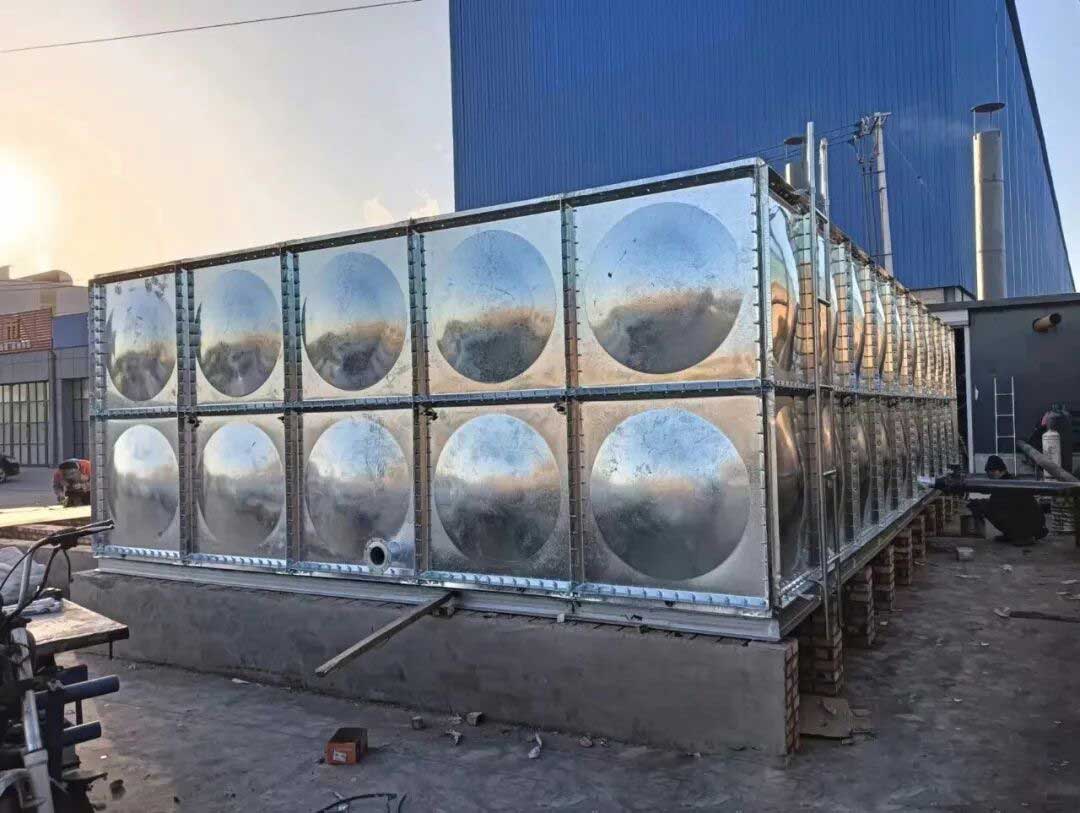
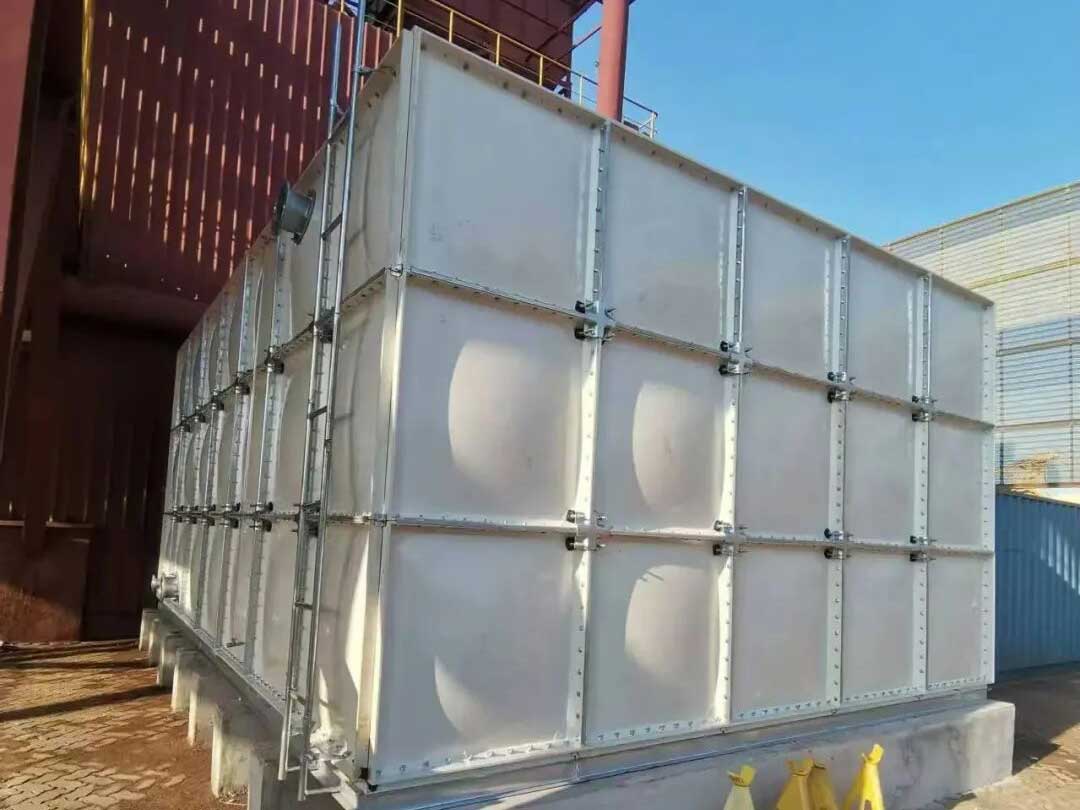
If you are confused about the differences between BDF, GSC, and SMC water tanks, the following table provides a quick comparison.
| Item | BDF | GSC | SMC |
|---|---|---|---|
| Composite Type | Structural composite | Structural composite | Material composite |
| Core Materials | Hot-dip galvanized steel (outer) + high-performance composite layer + stainless steel (inner) | Hot-dip galvanized steel (outer) + high-performance composite layer + FRP (inner) | Fiberglass + resin |
| Strength | ⭐⭐⭐⭐⭐ | ⭐⭐⭐⭐ | ⭐⭐⭐ |
| Corrosion Resistance | ⭐⭐⭐⭐⭐ | ⭐⭐⭐⭐⭐ | ⭐⭐⭐⭐⭐ |
| Weight | Medium | Medium | Lightweight |
| Drinking Water Application | Excellent | Good | Good |
| Cost | High | Medium-high | Medium |
| Installation | Modular | Modular | Modular |
A BDF composite water tank can be understood as an upgraded version of a modular stainless steel water tank with an additional protective composite layer.
The typical structure includes:
The composite structure improves the load-bearing and pressure resistance of traditional stainless steel water tanks while maintaining food-grade water storage requirements and high structural strength.
The tank is assembled through:
to form a stable overall structure.
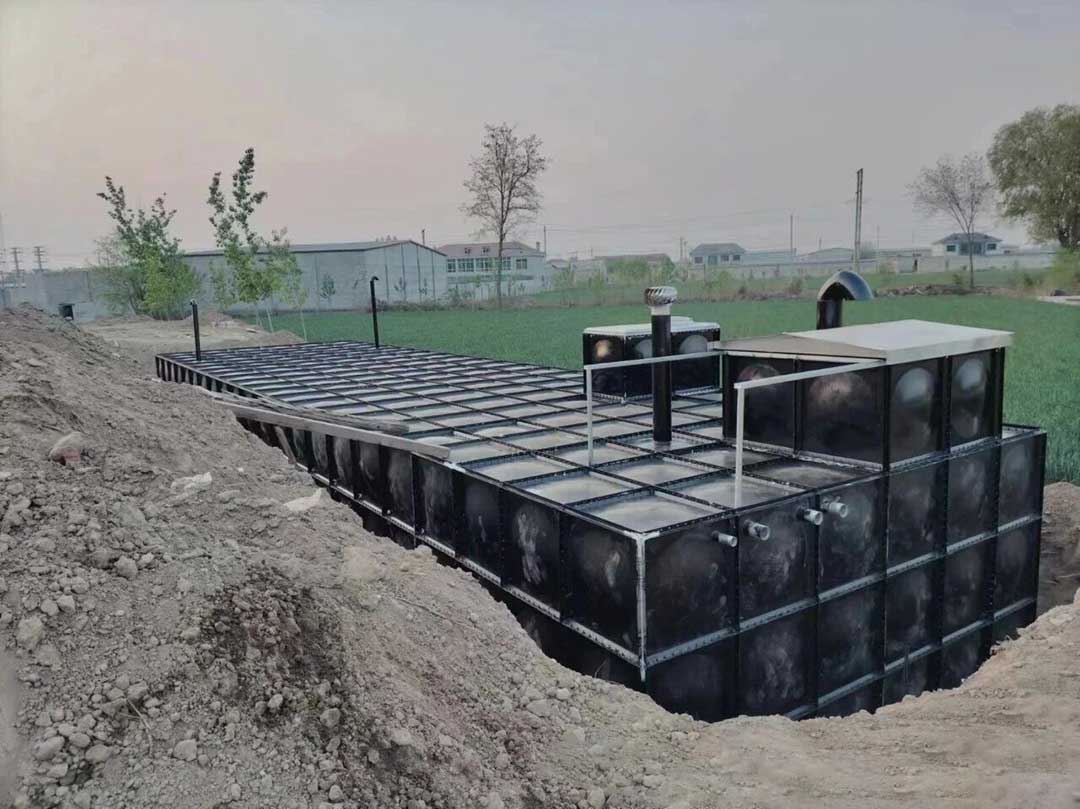
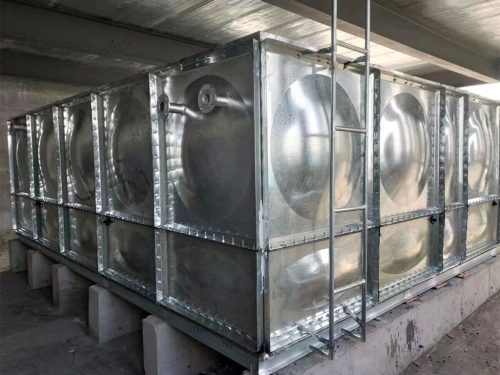
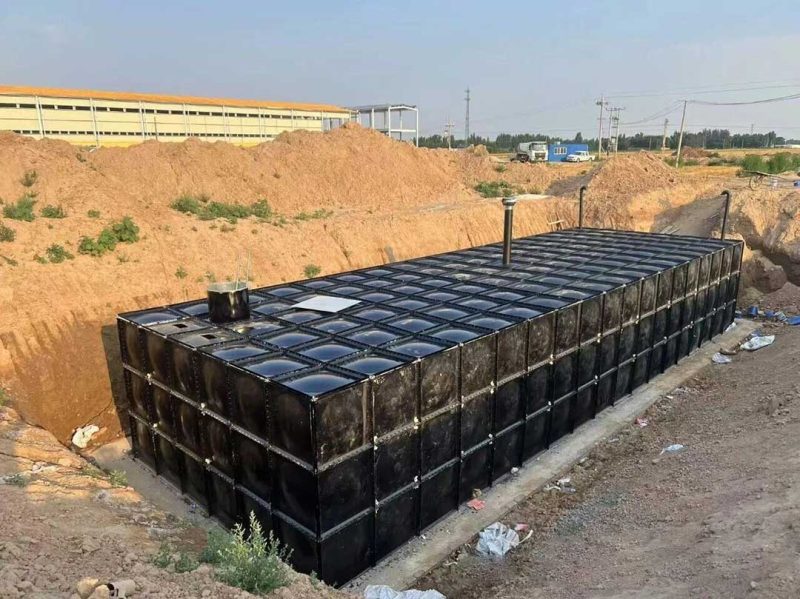
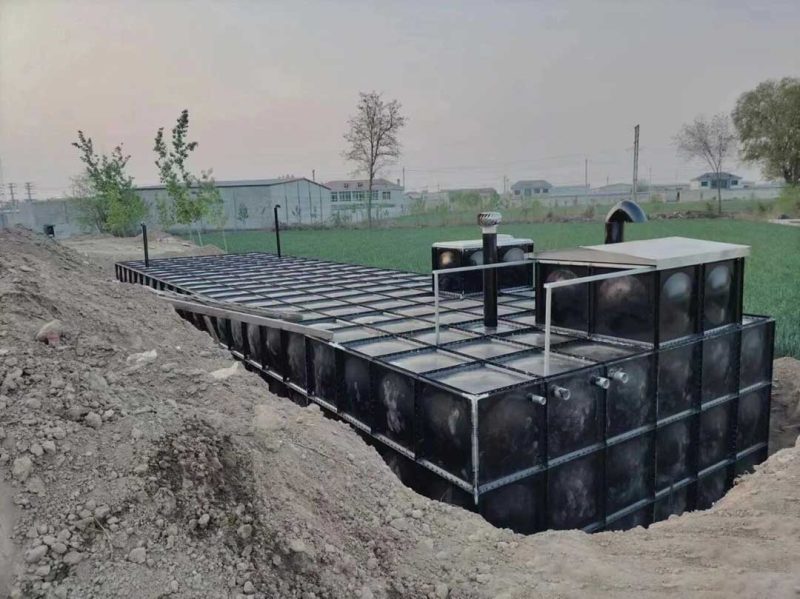
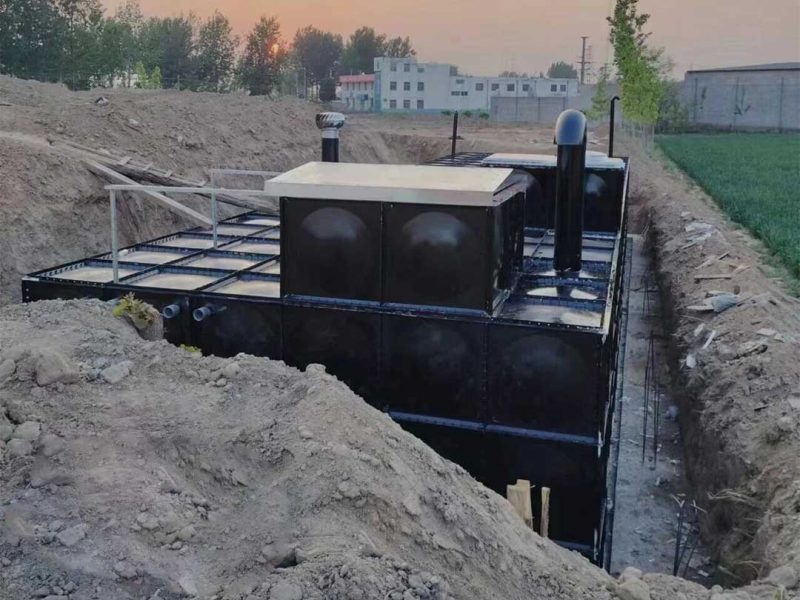
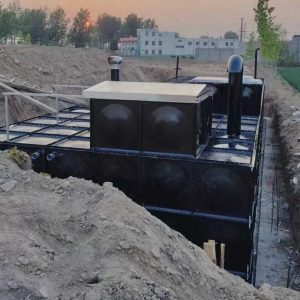
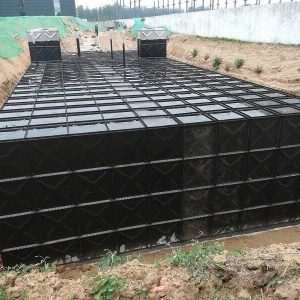
BDF water tanks are commonly used in projects where above-ground space is limited and are often installed underground, also known as underground water tanks.
Since the tank is directly exposed to soil and a high-humidity environment for long periods, the outer surface of BDF tanks is usually coated with black asphalt paint to provide additional corrosion protection.
| Component | Material |
|---|---|
| Outer Structure | Q235 hot-dip galvanized steel panel + asphalt coating |
| Middle Layer | Commonly polyurethane bonding materials or high-performance polymer adhesive film |
| Inner Liner | SUS304/SUS316 stainless steel |
| Sealing Material | EPDM rubber or food-grade silicone |
| Connection Parts | Galvanized bolts |
| Support System | Horizontal reinforcement ribs and vertical support rods |
| Parameter | Range |
|---|---|
| Capacity | 10m³–5000m³ |
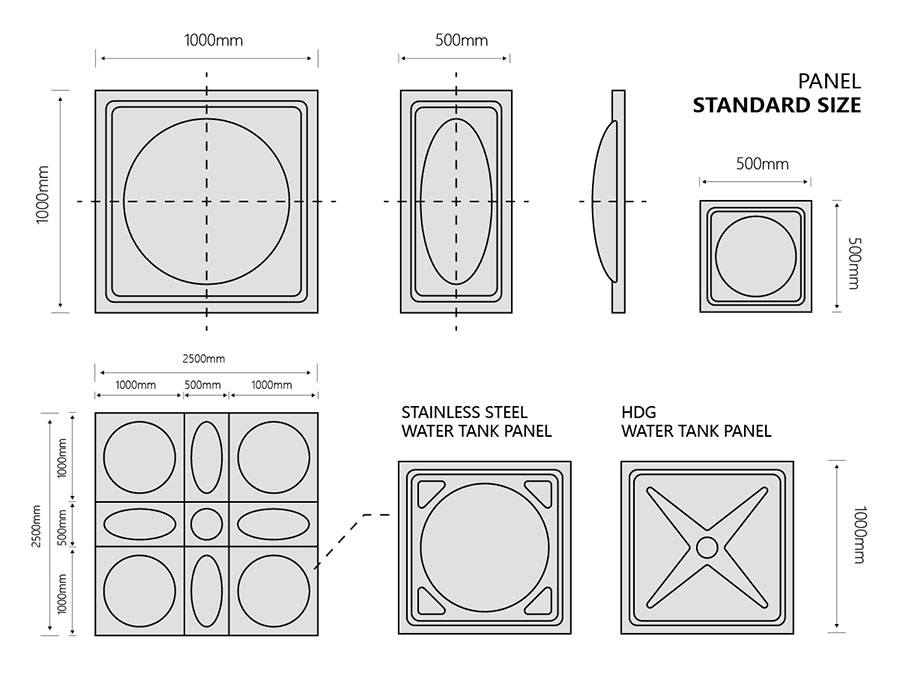
| Panel Size | 1000×1000mm / 1220×1220mm |
| Panel Thickness | 2–5mm |
| Service Life | More than 20 years |
| Recommended Height | Generally ≤4m |
The structure of a GSC composite water tank is similar to a BDF water tank.
The typical structure includes:
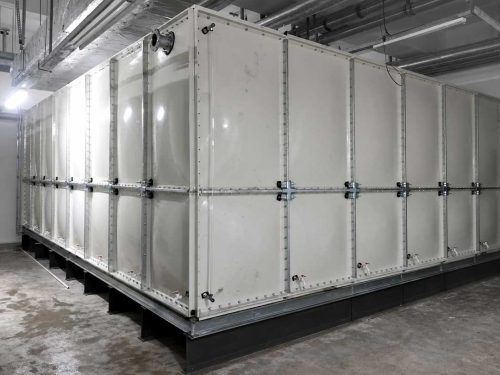
The main difference from BDF is that the inner panel material is FRP (Fiberglass Reinforced Plastic) instead of stainless steel.
The composite bonding layer improves the connection strength between the external steel structure and the internal FRP layer.
Compared with stainless steel, FRP has relatively lower drinking water safety standards depending on the material grade and certification. Therefore, GSC water tanks are mainly used for:
The connection methods and accessories of GSC tanks are basically the same as BDF tanks, with adjustments according to tank capacity and structural requirements.
| Component | Material |
|---|---|
| Outer Structure | Q235 hot-dip galvanized steel panel + asphalt coating |
| Middle Layer | Polyurethane bonding materials or high-performance polymer adhesive film |
| Inner Panel | FRP panel |
| Sealing Material | EPDM rubber or food-grade silicone |
| Connection Parts | Galvanized bolts |
| Support System | Horizontal reinforcement ribs and vertical support rods |
| Parameter | Range |
|---|---|
| Capacity | 10m³–3000m³ |
| Panel Thickness | 3–6mm |
| Material Density | Approx. 1.5–2.0g/cm³ |
| Service Life | More than 20 years |
| Installation Method | Modular assembly |
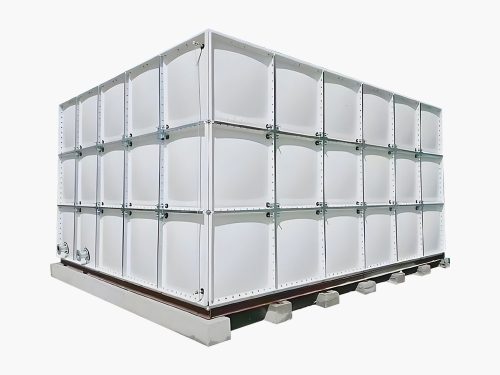
SMC (Sheet Molding Compound) is not a combination of steel and other materials. Instead, it is a new composite material produced through a special molding process.
Structure:
SMC molded composite panels
+
Sealing system
+
Reinforcement structure| Component | Function |
|---|---|
| Fiberglass | Improves mechanical strength |
| Unsaturated Resin | Provides bonding properties |
| Fillers | Improve material performance |
| Additives | Enhance weather resistance |
✅ Lightweight
✅ Corrosion resistant
✅ Excellent electrical insulation performance
✅ Standardized factory production
✅ Easy installation
Recommended:
BDF / GSC Composite Water Tanks
Reasons:
Recommended:
BDF Composite Water Tank
Reasons:
Recommended:
SMC Water Tank
Reasons:
Easy installation
Lower cost
A modular composite water tank is a sectional water storage system assembled from standardized panels on-site. By combining different materials or structures, it improves strength, corrosion resistance, and service life. Common types include BDF, GSC, and SMC water tanks.
BDF and GSC are structural composite water tanks that improve performance through different material combinations. BDF usually uses a hot-dip galvanized steel outer layer with a stainless steel inner liner, while GSC uses a hot-dip galvanized steel structure with an FRP inner layer. SMC is a material composite water tank made from fiberglass, resin, and other additives.
Yes. BDF water tanks have high structural strength and excellent corrosion resistance, allowing them to withstand underground environmental pressure. They are widely used for underground fire water storage, domestic water storage, and municipal water projects.
Yes, but the SMC panels must comply with relevant drinking water standards. Compared with BDF stainless steel composite water tanks, SMC tanks are more suitable for applications where cost efficiency and lightweight design are important, such as general domestic and fire water storage.
The service life depends on the material, installation environment, and maintenance conditions. Generally, BDF, GSC, and SMC water tanks can provide more than 20 years of service life. Proper design and maintenance can further extend their lifespan.
| Material | SUS304, SUS316 |
|---|---|
| Grade | Food Grade |
| Origin | China |
| Color | Nickel white, white |
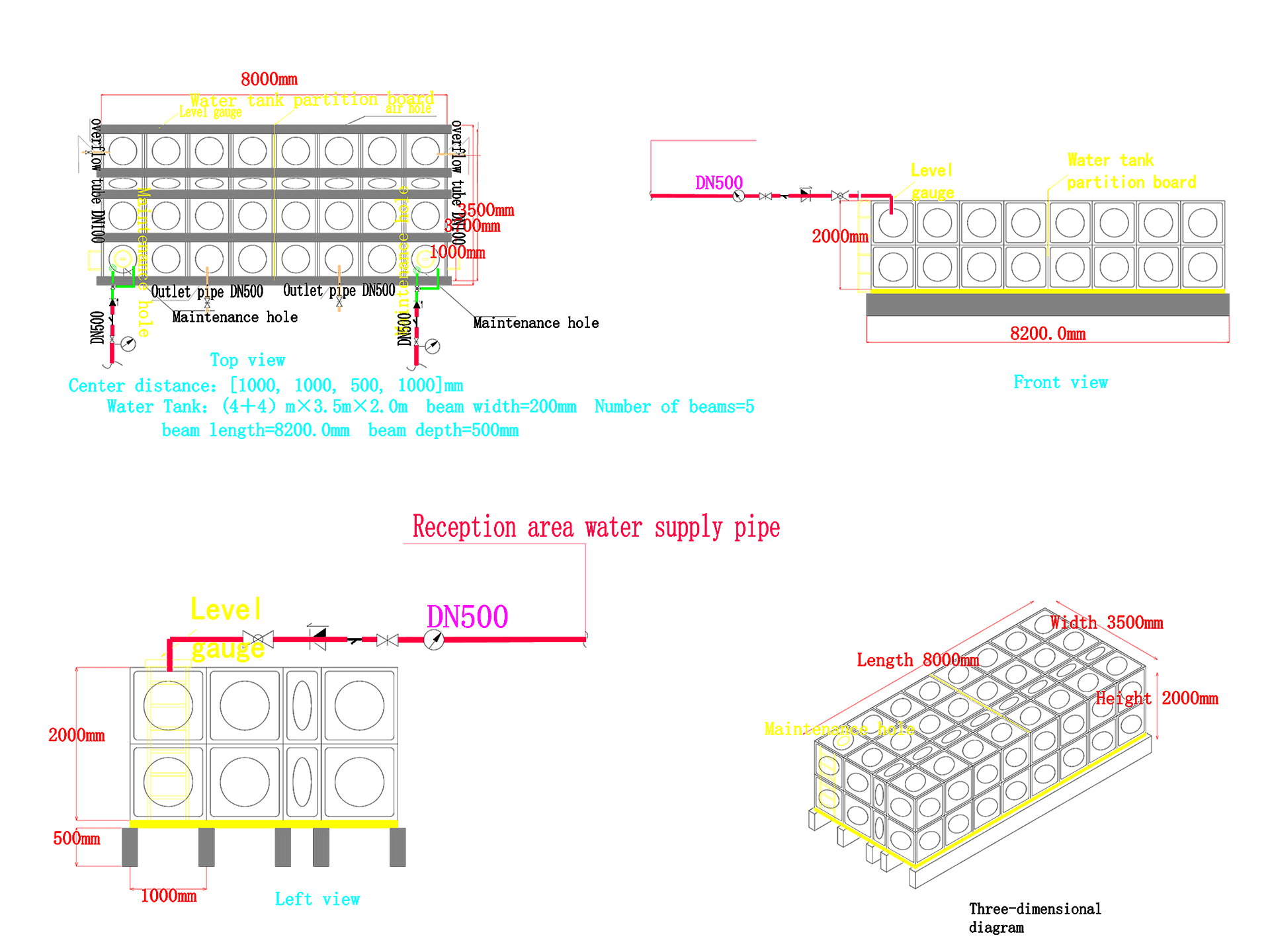
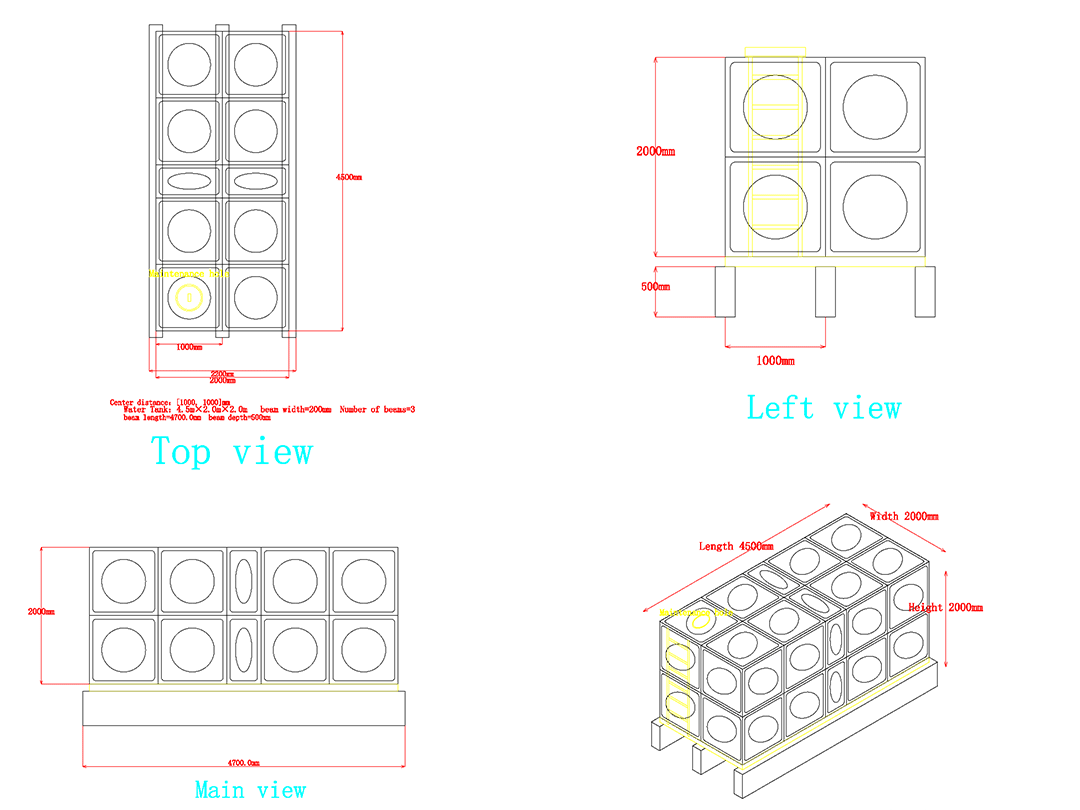
| Panel Size | 0.5*0.5m, 1*1m |
| Certification | ISO3834, ISO9001 |
| HS Code | 730990 |
| Capacity | 1000Litres -Infinity |
| Foundation | Concrete Foundation, U-Steel Bottom Bas |
| Installation | Sitting Type |
| Production Capacity | 2000Ton/Month |
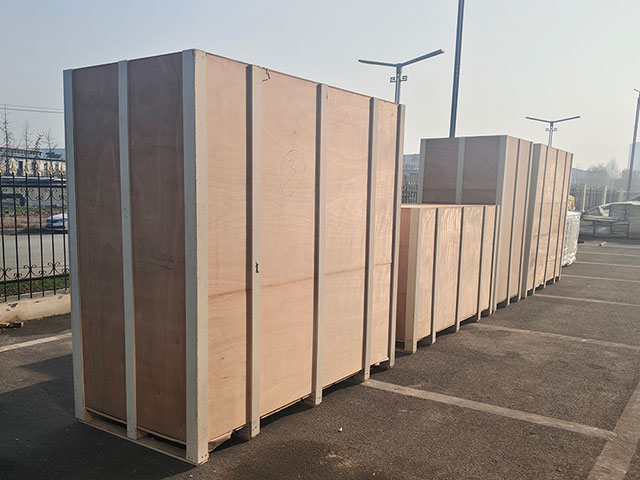
| Transport Package | Pallet Box, Plywood Pallet, Steel Frame |
| Sample | Provided |
| After-Sale Service | Online Technical Support |
Water Tank Panel Packaging 1
Plywood Box
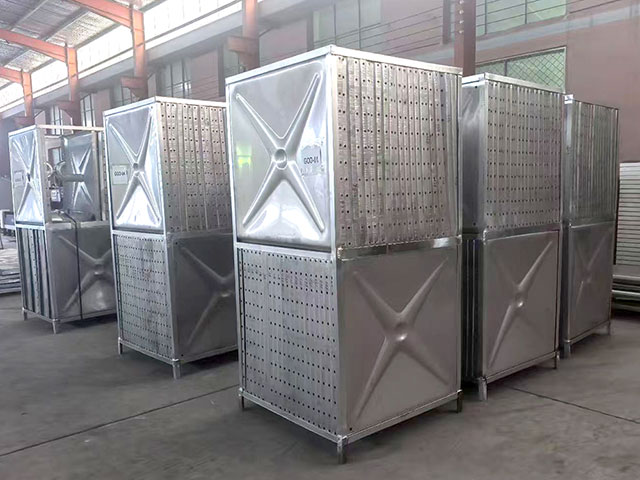
Water Tank Panel Packaging 2
Steel Frame Support
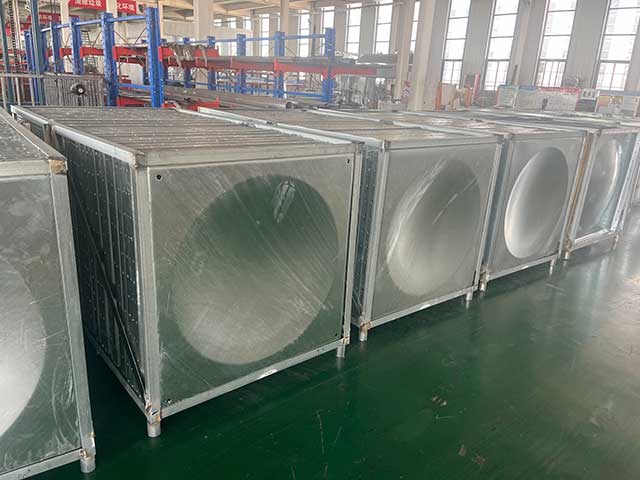
Water Tank Panel Packaging 3
HDG
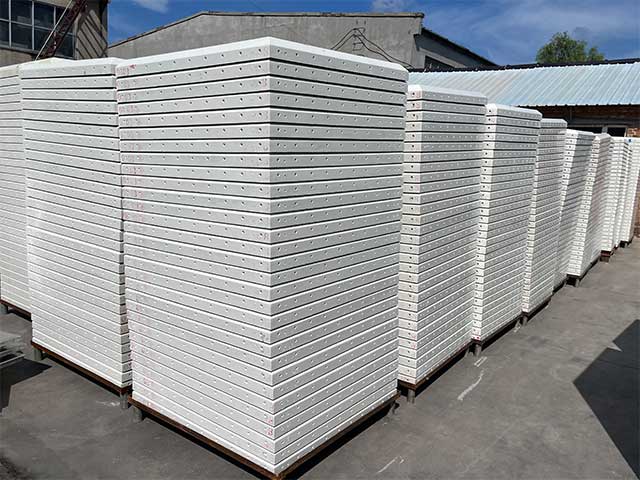
Water Tank Panel Packaging 4
GRP/FRP
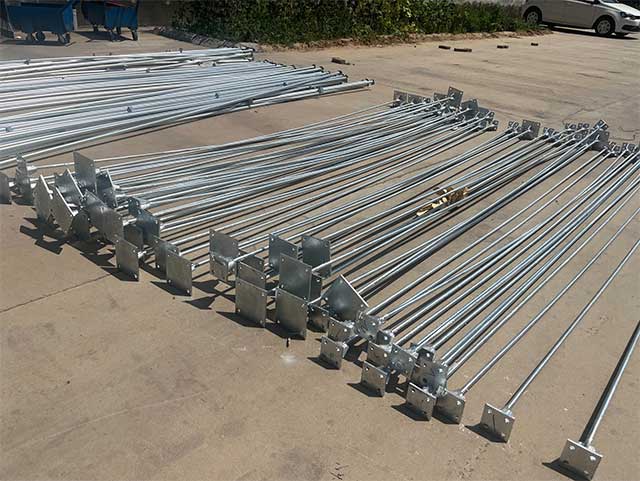
Large Components
Loose Packing
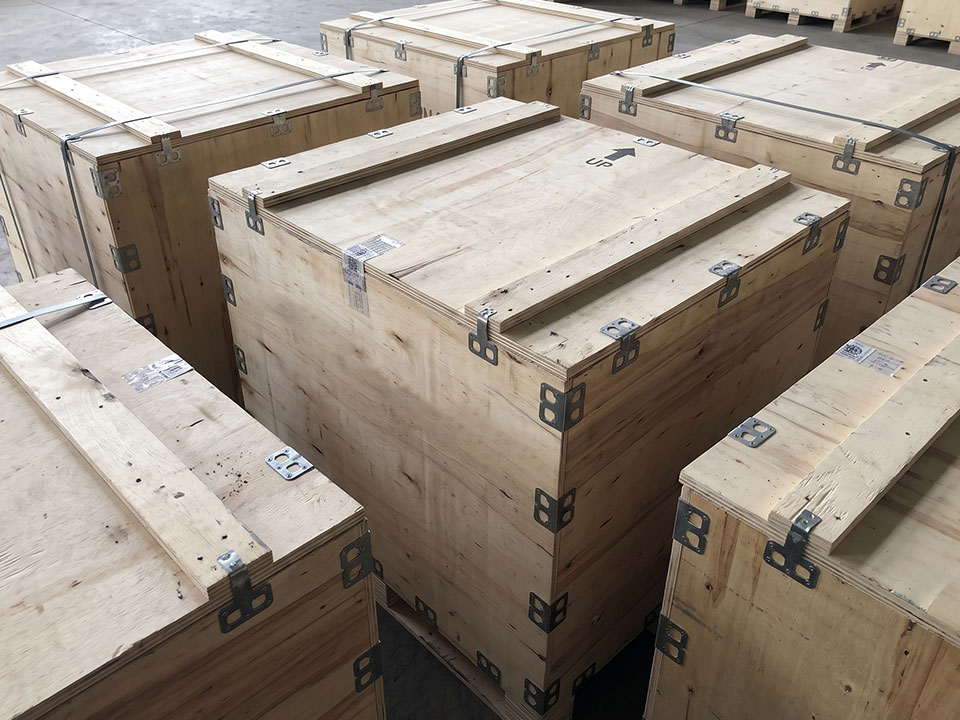
Small Accessories Packaging
Plywood Box
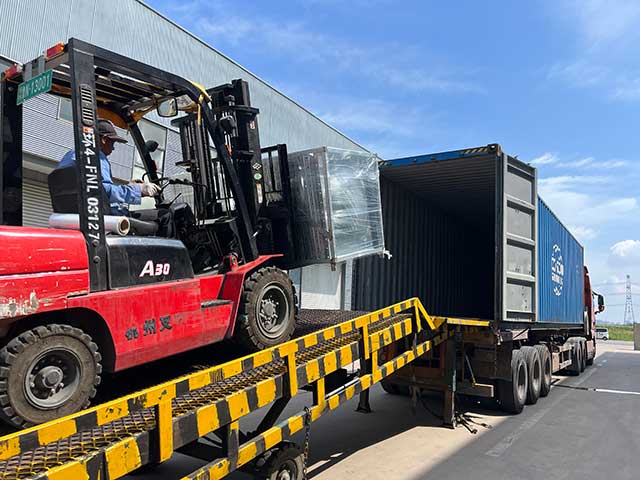
Full Container Shipment
Steel Frame Packaging
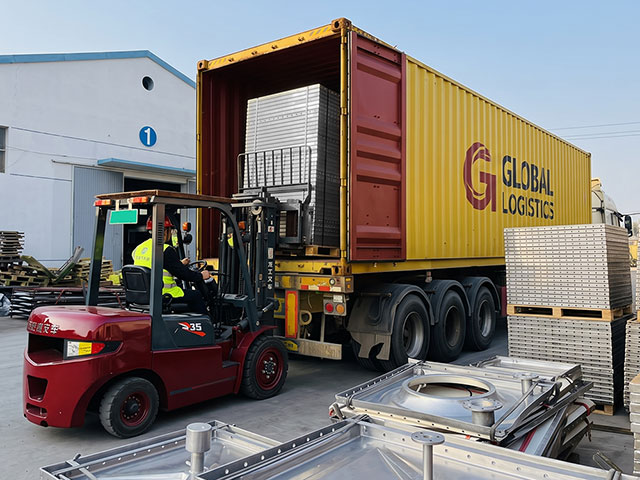
Full Container Shipment
Simple Packaging
Our water tank products are designed and manufactured in strict accordance with domestic and international standards and have passed multiple industry-recognized certifications, including ISO 9001 Quality Management System certification, food-grade stainless steel material standards (SUS304 / SUS316), and drinking water safety-related certifications.
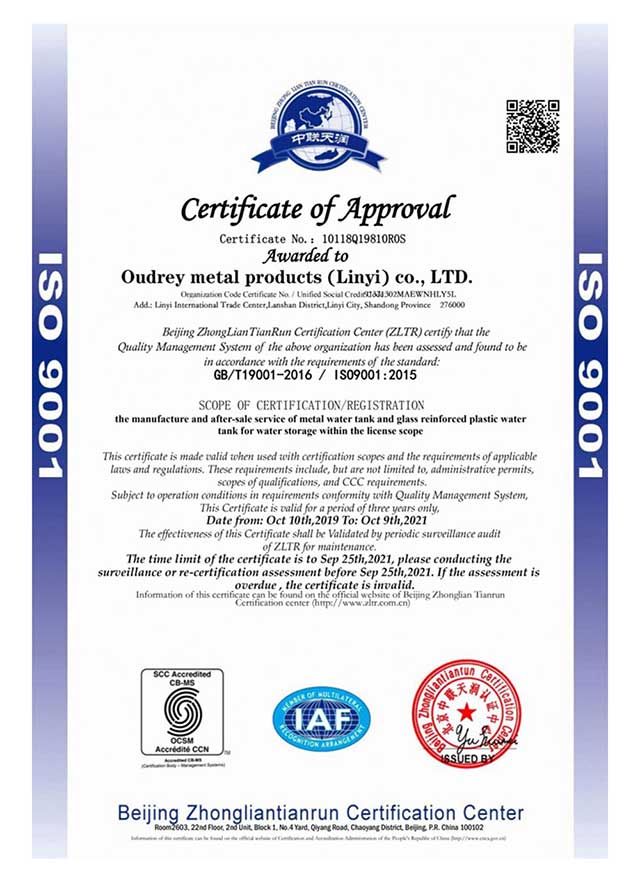
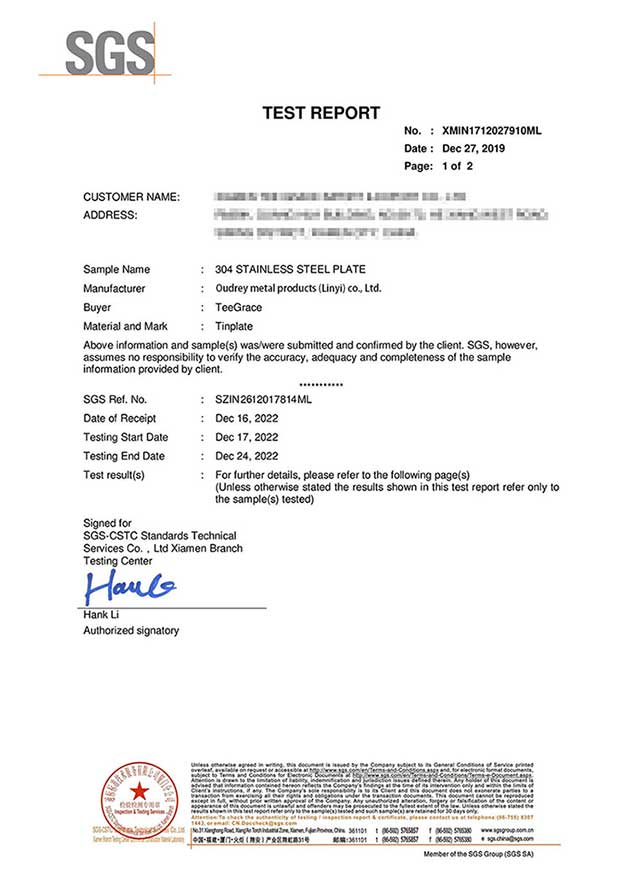
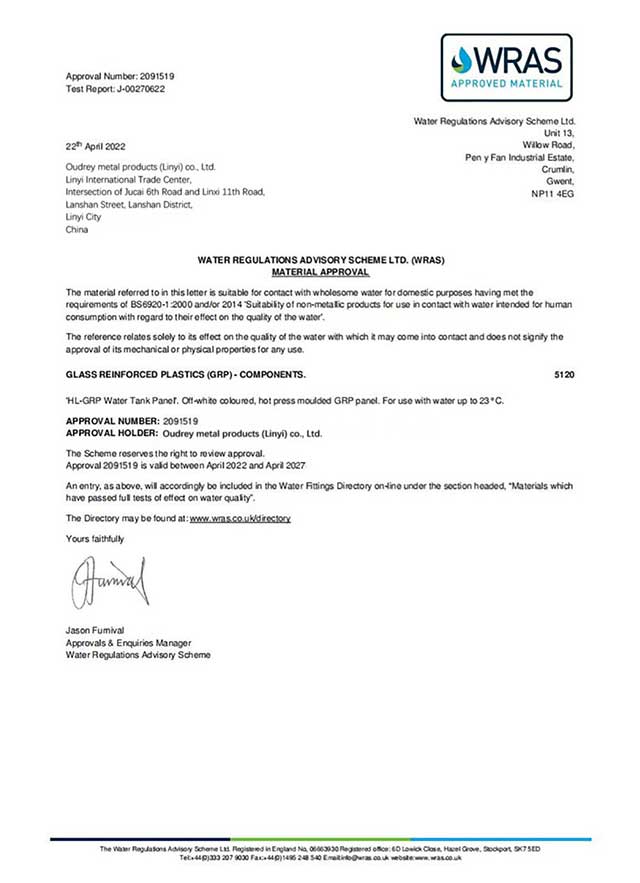
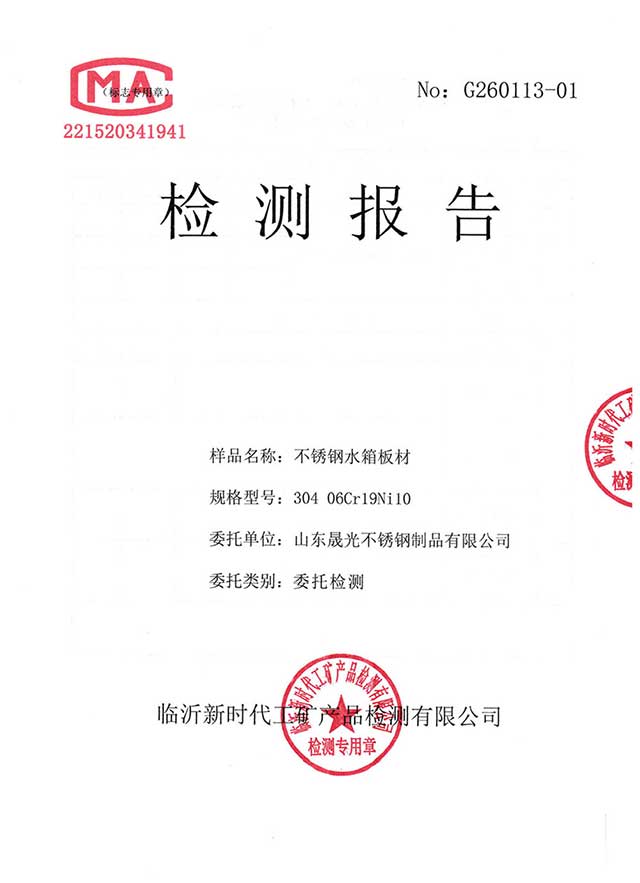
The product information provided above may not be detailed or accurate enough. Please refer to actual communication for specific details. You are welcome to contact us!
Airports, high-speed railway stations, and major transportation…
Water treatment plants, purified water systems, and…
Made of glass reinforced plastic (GRP), also…
GRP hospital water tanks provide reliable storage…
Reviews
There are no reviews yet.